


Vietnam Becomes New Base for Cross Border Scam Syndicates After Cambodia Crackdown
Cross border scam syndicates are constantly adapting to evade law enforcement by moving from Cambodia to Vietnam.
Original

简体中文
繁體中文
English
Pусский
日本語
ภาษาไทย
Tiếng Việt
Bahasa Indonesia
Español
हिन्दी
Filippiiniläinen
Français
Deutsch
Português
Türkçe
한국어
العربية
اردو




Abstract:Learn to Recognize Fake Tips, Pump-and-Dump Schemes, and Social Media Traps Before You Lose Money.

With the stock market booming, scammers are exploiting popular messaging apps like WhatsApp and Telegram to trick unsuspecting investors. If you‘ve received messages promising unbelievable stock tips or guaranteed returns, you’re not alone. These scams are on the rise, but with the right knowledge, you can protect yourself.
This guide will help you identify common investment scams on messaging apps, understand how scammers operate, and provide actionable steps to safeguard your hard-earned money. Plus, we‘ll tell you what to do if you’ve already fallen victim to a scam.

Common Investment Scams on WhatsApp and Telegram
Here are the most prevalent scams to watch out for:
Scammers claim to have secret information about a stock thats about to skyrocket.
Example: “I know someone at Company X, and they‘re about to announce a huge deal. Buy now before it’s too late!”
Reality: Insider trading is illegal, and these tips are almost always fake.
Promises of unrealistically high returns with zero risk.
Example: “Invest 100usd today and get 1000usd in just one month—guaranteed!”
Reality: No legitimate investment offers guaranteed returns, especially at such high rates.
Scammers pose as financial gurus, often creating WhatsApp groups to share “exclusive tips.”
They showcase fake success stories to gain your trust before asking for money.
Reality: These “experts” are often unqualified and unregistered with regulatory bodies.
Scammers create urgency to push you into quick decisions.
Example: “This offer expires in 2 hours! Dont miss out!”
Reality: Legitimate investments dont require rushed decisions.
Early investors are paid with money from new investors, creating the illusion of success.
The scheme collapses when there arent enough new investors to sustain payouts.
Reality: These schemes are unsustainable and illegal.
How Scammers Exploit WhatsApp and Telegram
Messaging apps are a favorite tool for scammers due to their unique features:
How to Protect Yourself from Investment Scams
Follow these steps to stay safe:
If it sounds too good to be true, it probably is. Legitimate investments typically yield 12-15% annually in the long term.
Always check if the person offering advice is SEBI-registered. Genuine advisors wont hesitate to share their credentials.
Scammers pressure you to act quickly. Take your time to research and think before investing.
Theres no such thing as a guaranteed stock tip. Acting on insider information is also illegal.
Investigate any stock or company recommended to you. Check financial reports, news, and expert analyses.

Platforms like WikiFX can help you verify the legitimacy of brokers and financial services. WikiFX offers:
By using tools like WikiFX, you can make informed decisions and avoid falling prey to fraudulent schemes.
Scammers are becoming increasingly sophisticated, but staying informed and vigilant can protect your investments. Remember:
Stay safe, and happy investing!

Disclaimer:
The views in this article only represent the author's personal views, and do not constitute investment advice on this platform. This platform does not guarantee the accuracy, completeness and timeliness of the information in the article, and will not be liable for any loss caused by the use of or reliance on the information in the article.

Cross border scam syndicates are constantly adapting to evade law enforcement by moving from Cambodia to Vietnam.
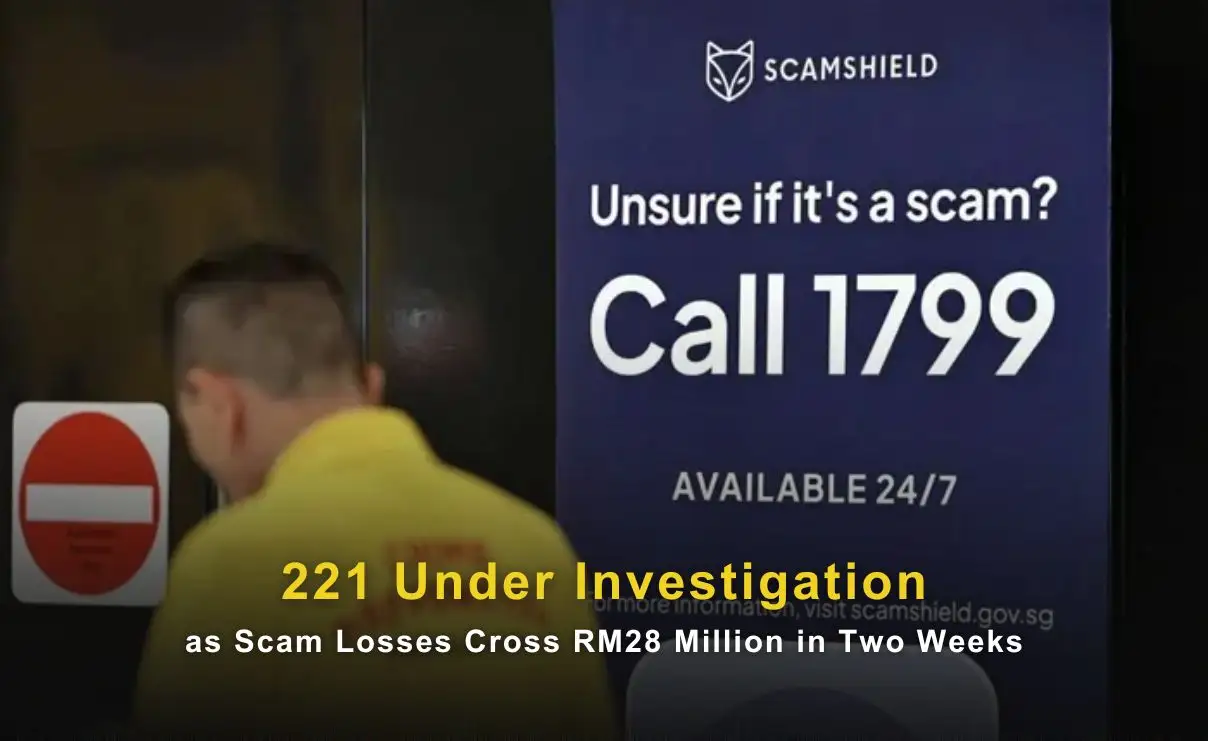
Singapore authorities have concluded a major anti-scam enforcement operation that resulted in 221 individuals being placed under investigation for their alleged roles in a wide range of fraudulent schemes.

Malaysia may be emerging as a new destination for transnational scam syndicates seeking to evade mounting pressure from international law enforcement agencies, according to a leading humanitarian organisation.

He Claimed Elite Connections. She Ended Up Losing Millions and Her Dream Car
WikiFXWikiFXWikiFXWikiFXWikiFXWikiFXWikiFXWikiFXWikiFXWikiFX