
Stop Sabotaging Your Trades: Why Your "Christmas Tree" Chart is Killing Your Profits
I see it every single day. A student sends me a screenshot of their trading setup, asking why they got stopped out.
Original

简体中文
繁體中文
English
Pусский
日本語
ภาษาไทย
Tiếng Việt
Bahasa Indonesia
Español
हिन्दी
Filippiiniläinen
Français
Deutsch
Português
Türkçe
한국어
العربية
اردو

Abstract:The market is a game of psychology, not just economics. Trade what the chart is doing, not what the news anchor is saying.
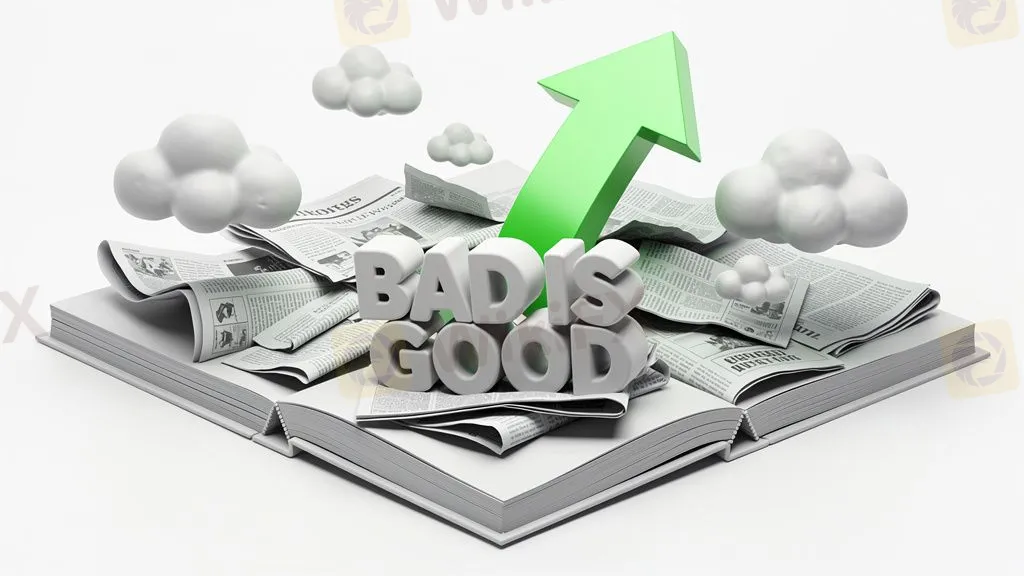
You‘ve been there. You wake up, grab your phone, and see the headlines screaming disaster. Inflation is skyrocketing, unemployment is worse than expected, or there’s geopolitical tension.
It seems like a no-brainer trade: Sell everything.
You open a short position, confident you‘re aligned with reality. Then, ten minutes later, you stare at your screen in horror. Green candles are everywhere. The S&P 500 is ripping higher. Gold is stalling. Your stop-loss gets hit, and you’re left wondering if the market is rigged.
Listen, the market isn't rigged—but it isn't rational in the way you think it is.
If you want to survive as a trader, you have to stop trading the news and start trading the reaction. Lets break down why bad news often triggers a massive rally and how to stop getting caught on the wrong side of the move.
New traders make one fundamental mistake: they treat the market like a scorecard of the present. They think, “The economy is bad right now, so stocks should go down.”
But the market is a discounting mechanism. It doesn't care about today; it cares about six months from now. Its a prediction machine.
When you see a terrible earnings report or grim GDP data, chances are the “smart money” (institutions, hedge funds) anticipated this weeks ago. They already sold. By the time the headline hits your screen, the selling is done.
This is what we call “Priced In.” If the market expected a catastrophe and we only got a disaster, thats actually positive news in relative terms. The uncertainty is gone, the worst-case scenario failed to materialize, and buyers step in to scoop up discounted assets.
This is the question that keeps rookies up at night. The answer usually boils down to The Fed Pivot Play.
In the current financial cycle, the biggest driver of asset prices isn't corporate profit—it's liquidity (how much cheap cash is in the system).
Here is the twisted logic you need to understand:
So, when traders see “Bad News,” they actually hear “The Money Printer is Turning On.” They buy the rumor of future liquidity, ignoring the reality of the present economic pain.
There is also a technical reason for these confusing rallies.
When news is universally negative, everyone and their grandmother piles into short positions. The market becomes heavy on one side. When everyone is selling, there is nobody left to sell.
All it takes is a tiny bit of buying pressure to spook the shorts. As prices tick up, short sellers are forced to buy back their positions to cover their losses. This buying triggers more buying, creating a chain reaction called a Short Squeeze.
The worse the news, the more crowded the short trade, and the more explosive the rally upwards can be.
Trading these counter-intuitive moves is dangerous. High volatility means wide spreads and erratic price action (“wicks”) that act like heat-seeking missiles for your stop losses.
This environment is also a playground for shady brokers. When markets move fast, dishonest platforms love to freeze up, widen spreads to unreasonable levels, or hunt your stops.
Before you try to trade high-impact news events, you need to know who is holding your money. I always tell my students: verify your broker before you verify your trade setup. Use WikiFX to check your brokers regulatory status. If they don't have a solid score or proper regulation, it doesn't matter if you predicted the move correctly—you won't be able to withdraw the profit.
Don't gamble on an unregulated platform just because they offer high leverage. Check WikiFX, find a safe broker, and keep your peace of mind.
So, the next time the headlines are ugly, don't mash the “Sell” button immediately.
The market is a game of psychology, not just economics. Trade what the chart is doing, not what the news anchor is saying.
Stay sharp.
Disclaimer: This article is for educational purposes only and does not constitute financial advice. Trading involves significant risk, and you should never invest money you cannot afford to lose.
Disclaimer:
The views in this article only represent the author's personal views, and do not constitute investment advice on this platform. This platform does not guarantee the accuracy, completeness and timeliness of the information in the article, and will not be liable for any loss caused by the use of or reliance on the information in the article.
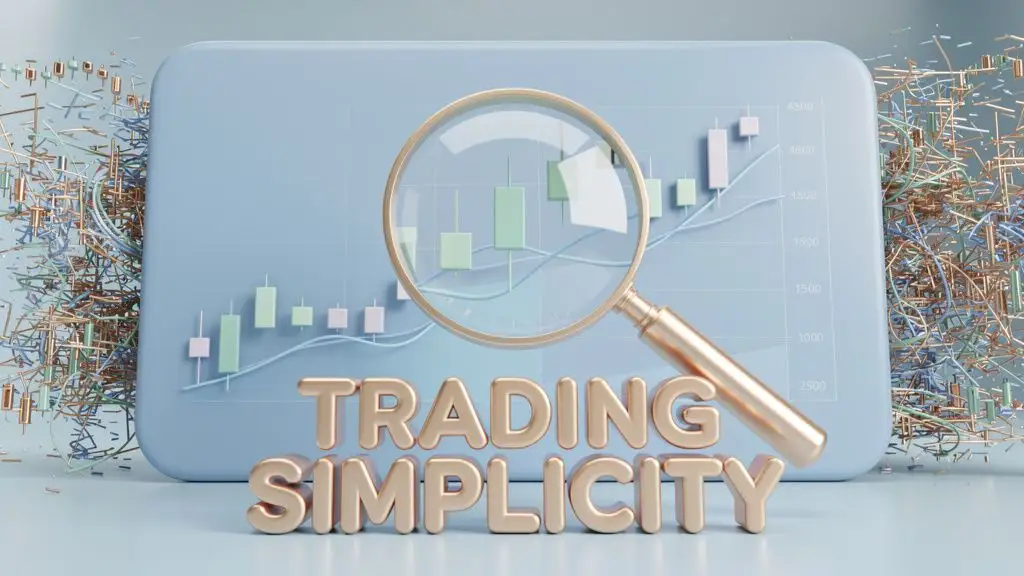
I see it every single day. A student sends me a screenshot of their trading setup, asking why they got stopped out.
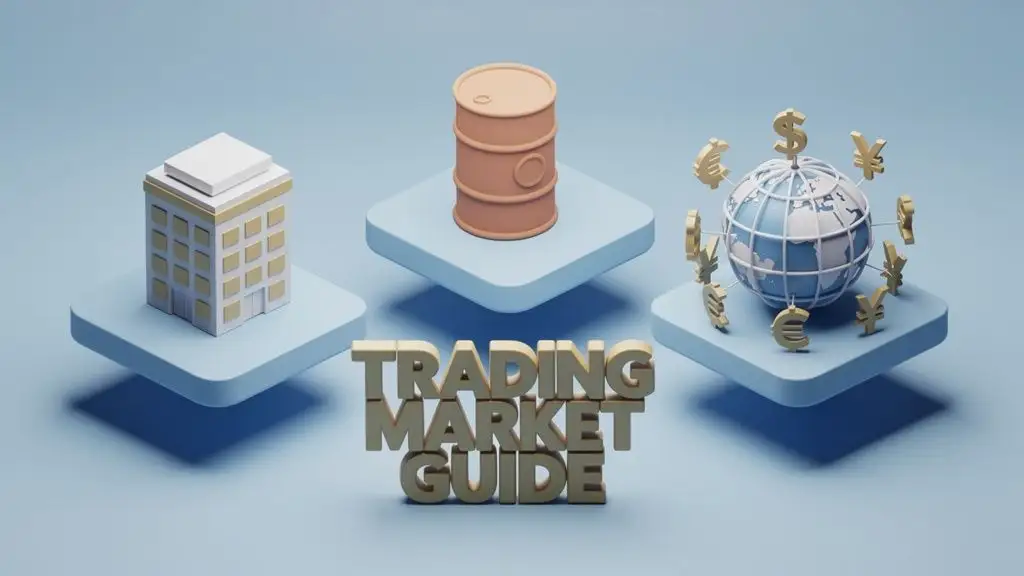
You’ve probably seen the screenshots on social media. Someone turns $500 into $5,000 in a single morning, and suddenly everyone wants to be a trader. But here is the cold reality: trading isn’t a single game. It’s a collection of different battlefields, and if you bring a knife to a gunfight, you’re going to lose your capital.
You’ve been there. You are staring at the EUR/USD chart. Your technical analysis is perfect. Support is holding, the RSI looks good, and you are 20 pips in profit.

You spent weeks learning support and resistance. You mastered the moving average crossover. You finally understand risk management (well, mostly). You spot the perfect setup on Gold, pull the trigger, and watch the price fly in your direction.
 WikiFXWikiFXWikiFXWikiFXWikiFXWikiFXWikiFXWikiFXWikiFXWikiFX
