Abstract:Scams thrive on the belief that only the naive or uninformed become victims. Many assume that intelligence, financial acumen, or sheer scepticism will shield them from fraudsters.
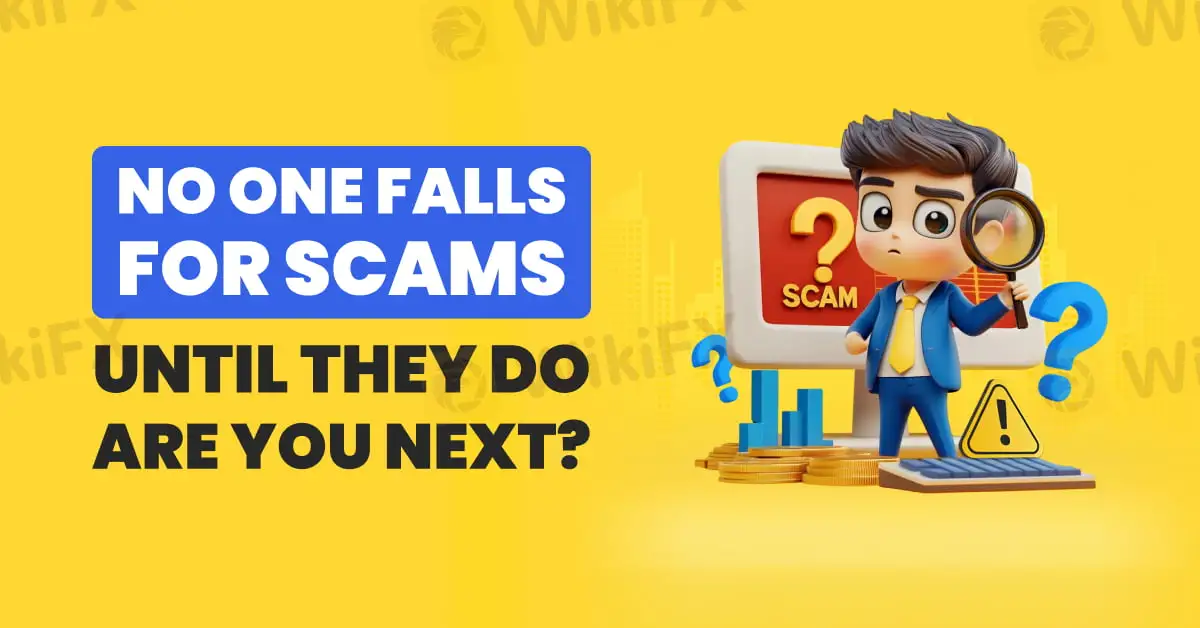
Scams thrive on the belief that only the naive or uninformed become victims. Many assume that intelligence, financial acumen, or sheer scepticism will shield them from fraudsters. However, the reality is far more unsettling. From seasoned investors to high-ranking executives, some of the most astute individuals have fallen prey to sophisticated scams, proving that no one is truly immune.

One of the most common reasons people fall for scams is overconfidence. Many individuals assume that their education, experience, or awareness makes them impervious to deception. Ironically, this very belief makes them more vulnerable. Fraudsters exploit psychological blind spots, manipulating emotions such as trust, urgency, and greed to override rational thinking.
Take Bernie Madoff‘s infamous Ponzi scheme. His victims included banks, hedge funds, and financial professionals—people who should have recognised the warning signs. Yet, they overlooked red flags because the scheme appeared exclusive, profitable, and backed by Madoff’s stellar reputation.

Another misconception is that scams only succeed when victims act recklessly. In reality, fraudsters create elaborate scenarios where the victim feels in control. Investment scams, for example, often provide an initial payout, reinforcing the illusion of legitimacy. By the time doubts arise, victims may have already committed significant sums, making it psychologically harder to walk away.
Consider the rise of cryptocurrency fraud. Sophisticated scammers operate fake trading platforms that appear legitimate, complete with real-time market data, professional websites, and customer support. Investors believe they are making informed decisions, only to discover too late that their ‘profits’ were mere numbers on a screen.

At the core of every successful scam is social engineering—the art of persuasion. Fraudsters do not rely solely on technical tricks; they exploit human nature. They create urgency, impersonate authority figures, or appeal to emotions like fear and greed.
For instance, phishing scams targeting corporate employees have led to millions in losses. A well-crafted email, appearing to be from a senior executive, can trick an employee into transferring funds or revealing sensitive information. Even cybersecurity-conscious professionals have fallen for such tactics because the fraudsters methods are tailored to their specific vulnerabilities.

Scams often succeed in increments. Fraudsters build credibility over time, slowly eroding their victims doubts. Romance scams are a perfect example. They start with harmless conversations, followed by emotional connections, and eventually, fabricated emergencies requiring financial help. By the time victims realise they have been manipulated, they may have lost thousands—or even their entire life savings.

While awareness is the first line of defence, it is not foolproof. The best protection against scams is to combine scepticism with structured due diligence. Always verify the legitimacy of financial opportunities, no matter how credible they appear. Consult multiple sources, cross-check information, and never let emotions drive financial decisions.

To help protect individuals from falling prey to unauthorised investment schemes, WikiFX offers essential tools and resources for verifying the legitimacy of brokers and financial platforms. With an extensive database of global broker profiles, regulatory status updates, and user reviews, WikiFX empowers users to make informed decisions before committing to any financial investment. The apps risk ratings and alerts for unlicensed or suspicious entities enable investors to easily spot red flags and avoid potential scams. By checking a broker's background on WikiFX, users can better safeguard their hard-earned savings and steer clear of fraudulent schemes, making WikiFX an indispensable resource for safer investing.
Remember, scams are designed to outsmart even the most intelligent individuals. The moment you think you are too smart to be fooled is the moment you become a prime target. Stay vigilant—because no one falls for scams… until they do.