


Broker Globale Piattaforma di Verifica Regolamentare
WikiFX
Italiano
简体中文
繁體中文
English
Pусский
日本語
ภาษาไทย
Tiếng Việt
Bahasa Indonesia
Español
हिन्दी
Filippiiniläinen
Français
Deutsch
Português
Türkçe
한국어
العربية
اردو
FXTRADING Financial Focus (Asia-Pacific 04/29)UAE Exits OPEC, Oil Market Shifts
Sommario:Over a recent period, the global oil market has been marked by persistent turbulence, with geopolitical conflicts continuously straining supply chains. As tensions in the Middle East fluctuate, uncert

Over a recent period, the global oil market has been marked by persistent turbulence, with geopolitical conflicts continuously straining supply chains. As tensions in the Middle East fluctuate, uncertainty surrounding energy transportation has risen noticeably, especially along the Strait of Hormuz, a critical transit corridor. Any disruption there immediately heightens market anxiety, triggering sharp volatility in oil prices. Against this backdrop, producer alliances that once relied on coordinated output cuts to stabilize the market are finding it increasingly difficult to maintain control.
In this environment, the United Arab Emirates has made a far-reaching decision to withdraw from OPEC and also step away from the broader OPEC+ framework of coordinated production among major oil exporters. While the move may appear sudden, it is more the result of accumulated tensions over time. In recent years, the UAE has repeatedly voiced dissatisfaction with production quotas, seeking greater room to increase output, yet has never fully reached agreement within the group.
From a scale perspective, the UAE itself is a significant supplier within OPEC, ranking among the top members in production capacity, and it possesses the ability to expand further. Estimates from the International Energy Agency suggest that its capacity represents a meaningful share of the group. Its departure effectively weakens the portion of flexible supply that OPEC can deploy to regulate the market. Historically, OPECs pricing power has relied heavily on this ability to quickly bring spare capacity online.
More importantly, ongoing conflicts in the Middle East are not only threatening transportation routes but also creating divergence among oil-producing nations. Arab producers that once maintained a degree of policy coordination are now showing differing priorities in security, economic interests, and strategic positioning. This fragmentation makes unified action increasingly difficult, and once internal coordination breaks down, the alliances ability to influence the market inevitably diminishes.
Another practical consideration behind the UAEs decision lies in its export routes. Compared to countries that rely heavily on maritime chokepoints, the UAE has the capacity to bypass such bottlenecks. A portion of its crude can be transported via overland routes and alternative pipeline systems. This advantage provides greater confidence in the face of maritime risks and supports a preference for independent decision-making. After exiting, the UAE can adjust production based on its own interests without being constrained by collective quotas.
Looking beyond, the rapid expansion of U.S. shale oil in recent years has made global supply more fragmented, eroding the influence of traditional producer groups. The later formation of OPEC+ in cooperation with Russia was essentially an effort to rebuild that influence. However, with escalating conflicts and widening differences among members, this coordinated mechanism is beginning to loosen, and its effectiveness is clearly declining.
From the perspective of companies and investors, oil and gas firms are likely to become more cautious when setting long-term investment plans, reassessing both capacity expansion and capital expenditure strategies. Meanwhile, energy-importing countries may accelerate diversification efforts to reduce reliance on any single region, potentially reshaping global energy trade flows. From an FXTRADING standpoint, the UAEs exit is more of a signal—it reflects the weakening internal cohesion of producer alliances and a gradual shift in the energy market from centralized coordination toward a more fragmented, competitive structure. In the short term, supply disruptions and geopolitical risks are likely to persist, while over the medium to long term, pricing dynamics may become more unstable but also increasingly market-driven.
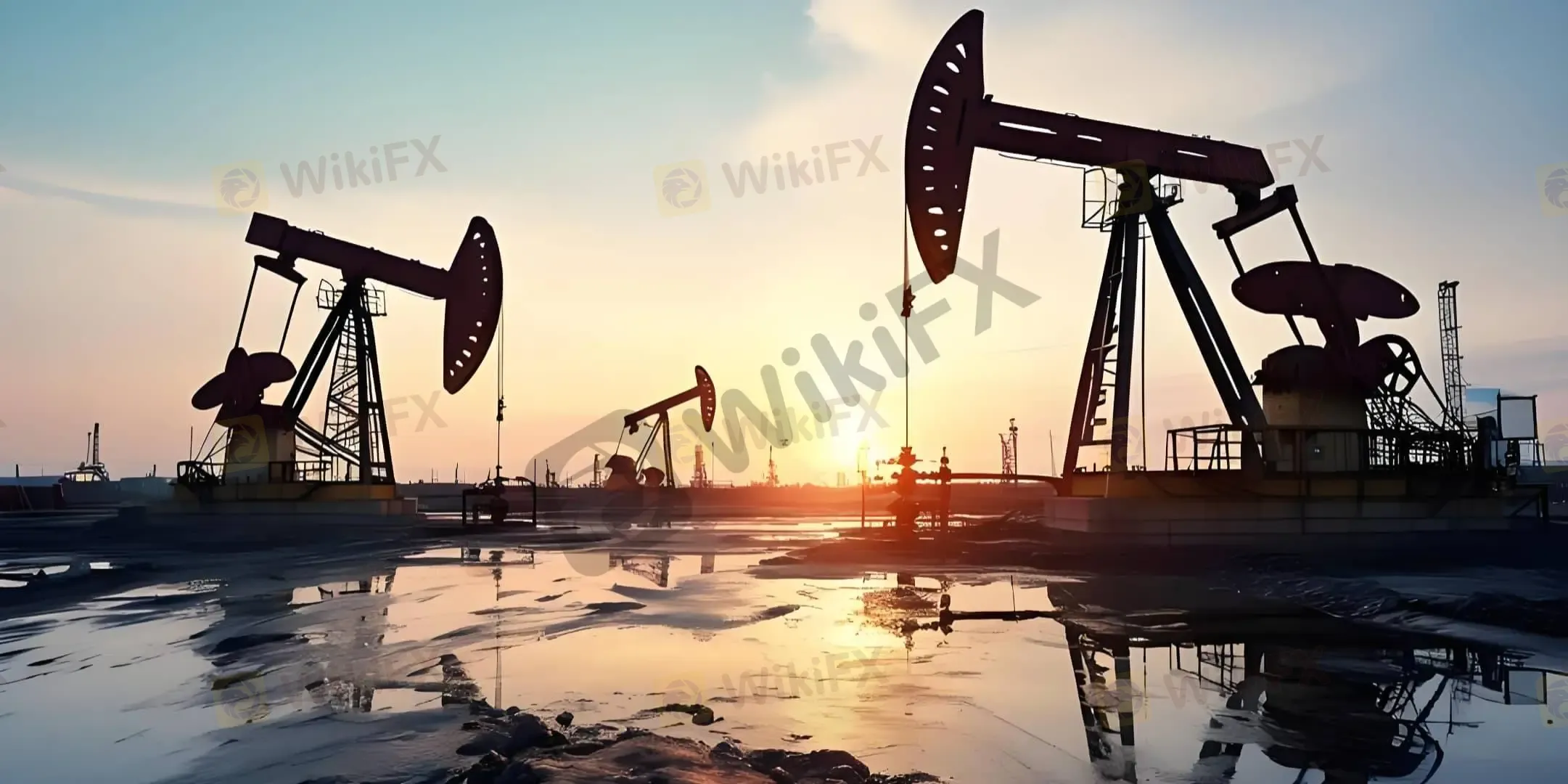
(For more insights into global macroeconomic trends and market developments, please follow FXTRADINGs official updates. This information is provided for reference only and does not constitute any form of investment advice.)
Disclaimer:
Le opinioni di questo articolo rappresentano solo le opinioni personali dell’autore e non costituiscono consulenza in materia di investimenti per questa piattaforma. La piattaforma non garantisce l’accuratezza, la completezza e la tempestività delle informazioni relative all’articolo, né è responsabile delle perdite causate dall’uso o dall’affidamento delle informazioni relative all’articolo.
WikiFX Trader
FXCM
Sotto supervisione
EBC FINANCIAL GROUP
Sotto supervisione
TMGM
Sotto supervisione
FxPro
Sotto supervisione
Axi
Sotto supervisione
vantage
Sotto supervisione
FXCM
Sotto supervisione
EBC FINANCIAL GROUP
Sotto supervisione
TMGM
Sotto supervisione
FxPro
Sotto supervisione
Axi
Sotto supervisione
vantage
Sotto supervisione
WikiFX Trader
FXCM
Sotto supervisione
EBC FINANCIAL GROUP
Sotto supervisione
TMGM
Sotto supervisione
FxPro
Sotto supervisione
Axi
Sotto supervisione
vantage
Sotto supervisione
FXCM
Sotto supervisione
EBC FINANCIAL GROUP
Sotto supervisione
TMGM
Sotto supervisione
FxPro
Sotto supervisione
Axi
Sotto supervisione
vantage
Sotto supervisione
Rate Calc
USD

CNY
Tasso di cambio attuale:0
inserisci l'importo
USD
A disposizione
CNY
Calcolare 