


Broker Globale Piattaforma di Verifica Regolamentare
WikiFX
Italiano
简体中文
繁體中文
English
Pусский
日本語
ภาษาไทย
Tiếng Việt
Bahasa Indonesia
Español
हिन्दी
Filippiiniläinen
Français
Deutsch
Português
Türkçe
한국어
العربية
اردو
FXTRADING Financial Focus (Asia-Pacific 04/23)Warsh Signals Fed Reform
Sommario:The recent discussions surrounding Kevin Warshs Federal Reserve nomination hearing have not been limited to the candidate himself, but have extended to the future direction of how the Fed operates. In
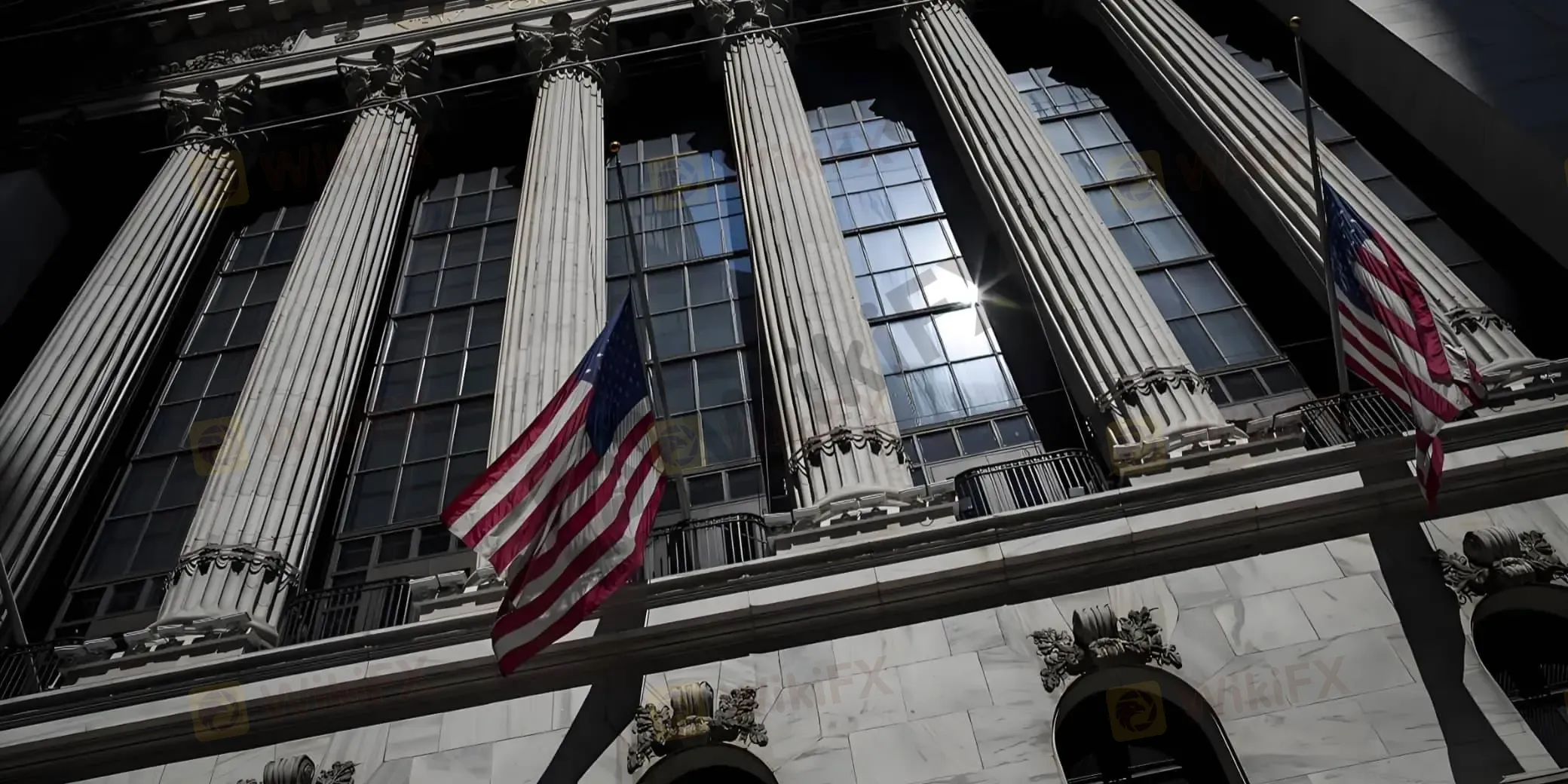
The recent discussions surrounding Kevin Warshs Federal Reserve nomination hearing have not been limited to the candidate himself, but have extended to the future direction of how the Fed operates. In his remarks, Warsh repeatedly stressed that the independence of monetary policy must be preserved, viewing it as the foundation of the institutional framework. He sought to convey to senators that even with substantial reforms, the boundary between the central bank and executive power would remain intact.
Regarding his relationship with President Donald Trump, he made it clear that he had never made any commitments on rate cuts nor accepted any such requests. Although Trump has repeatedly expressed support for lower interest rates and even suggested that Warsh would align with that stance, Warsh did not follow that narrative. Instead, he chose to remain noncommittal, avoiding direct responses to such remarks and steering clear of broader political controversies, including issues related to past elections and investigations involving current officials.
Some lawmakers focused on the risk of potential political interference, attempting to determine whether there is any implicit alignment between Warsh and the White House. At the same time, divisions have emerged within the Republican Party, with certain senators explicitly calling for a delay in the confirmation vote, citing ongoing investigations related to the Federal Reserve. This lack of consensus suggests that while the nomination process may appear to be progressing smoothly, the actual timeline remains uncertain.
On the policy front, Warshs approach leans more toward structural adjustments than markets had anticipated. He attributed part of the repeated inflation fluctuations in recent years to misjudgments in policy, arguing that the current framework lacks precision when responding to unexpected shocks. He proposed that future policy should incorporate higher-frequency data and technological tools to reassess the trajectory of price changes, while reducing excessive reliance on predefined rate paths. This implies that the way policy is communicated may evolve, and the role of forward guidance could be reassessed.
Regarding internal governance, he argued that the frequent public expression of individual views by Fed officials has weakened the consistency of the overall policy signal. In contrast, he prefers to keep disagreements within internal discussions and arrive at decisions through more comprehensive deliberation. This approach could alter the relatively transparent communication style seen in recent years and may also create friction with regional Federal Reserve banks.
In terms of economic assessment, Warsh refrained from providing a clear short-term policy direction. He avoided commenting on whether rate cuts should occur immediately, instead emphasizing that technological progress could enhance productivity over the medium to long term, thereby reshaping the relationship between inflation and growth. He also expressed a relatively moderate view on the impact of tariff policies, which differs from many current policymakers and may set the stage for future policy divergence.
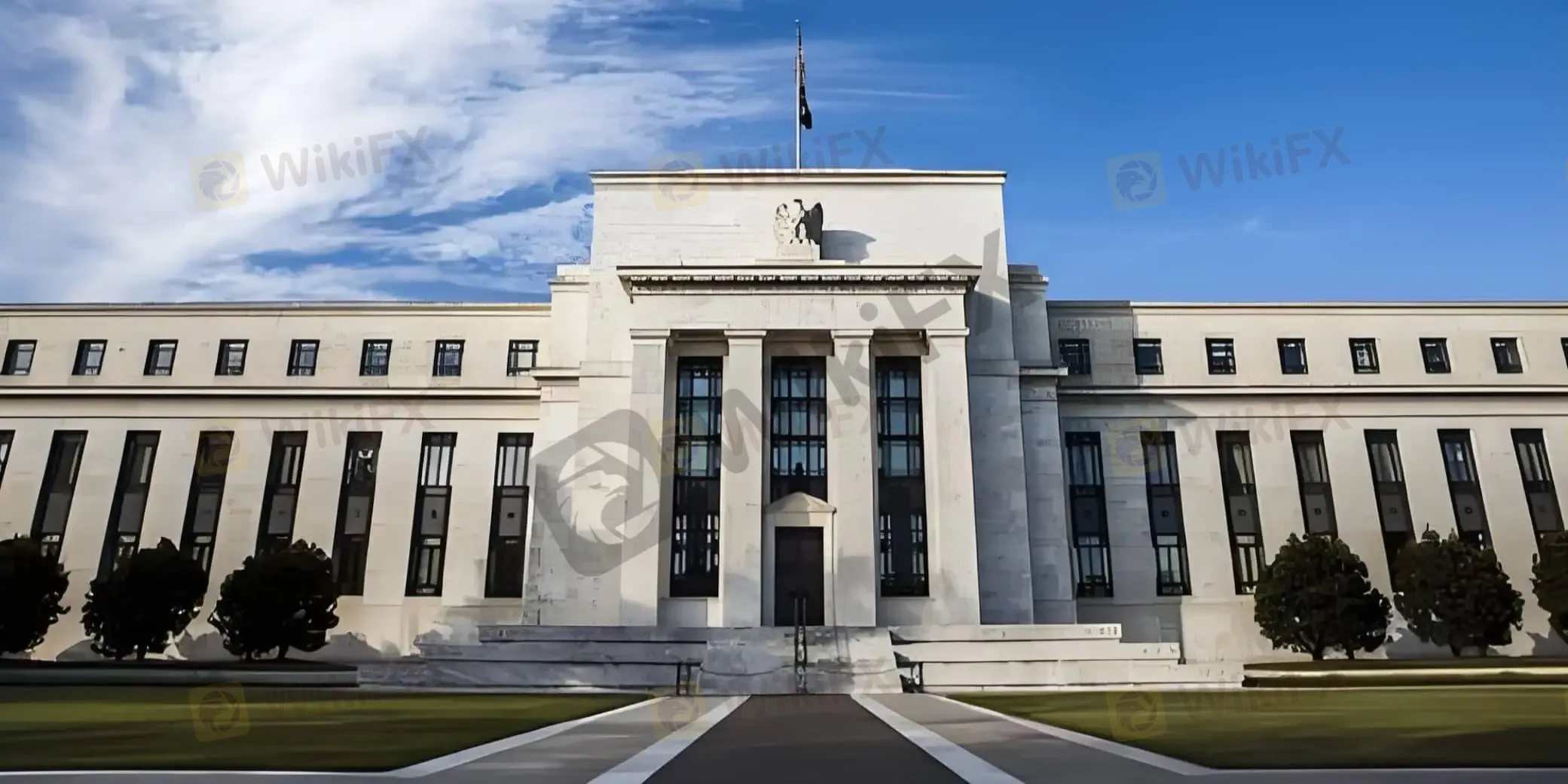
From a longer-term perspective, the significance of this nomination goes beyond a personnel decision. If Warsh is ultimately confirmed, the Federal Reserve may enter a phase that places greater emphasis on framework restructuring and internal consolidation; if the process stalls, the current policy path is likely to continue without significant near-term changes. Regardless of the outcome, the hearing has already signaled a shift in policy discussions—from a narrow focus on interest rates toward a broader redesign of institutional frameworks and policy tools. From the perspective of FXTRADING, the core of Warshs stance is not about short-term policy choices, but about reshaping decision-making logic and communication methods. Once such a shift takes hold, markets will no longer be responding solely to interest rates, but to a more complex and less predictable policy system that relies heavily on data and structural analysis. This will raise the bar for macro analysis and make interpreting central bank behavior increasingly dependent on long-term frameworks.
(For more insights into global macroeconomic trends and market developments, please follow FXTRADINGs official updates. This information is provided for reference only and does not constitute any form of investment advice.)
Disclaimer:
Le opinioni di questo articolo rappresentano solo le opinioni personali dell’autore e non costituiscono consulenza in materia di investimenti per questa piattaforma. La piattaforma non garantisce l’accuratezza, la completezza e la tempestività delle informazioni relative all’articolo, né è responsabile delle perdite causate dall’uso o dall’affidamento delle informazioni relative all’articolo.
WikiFX Trader
FxPro
Sotto supervisione
D prime
Supervisione del paese
vantage
Sotto supervisione
TICKMILL
Sotto supervisione
AVATRADE
Sotto supervisione
HFM
Sotto supervisione
FxPro
Sotto supervisione
D prime
Supervisione del paese
vantage
Sotto supervisione
TICKMILL
Sotto supervisione
AVATRADE
Sotto supervisione
HFM
Sotto supervisione
WikiFX Trader
FxPro
Sotto supervisione
D prime
Supervisione del paese
vantage
Sotto supervisione
TICKMILL
Sotto supervisione
AVATRADE
Sotto supervisione
HFM
Sotto supervisione
FxPro
Sotto supervisione
D prime
Supervisione del paese
vantage
Sotto supervisione
TICKMILL
Sotto supervisione
AVATRADE
Sotto supervisione
HFM
Sotto supervisione
Rate Calc
USD

CNY
Tasso di cambio attuale:0
inserisci l'importo
USD
A disposizione
CNY
Calcolare 