

Broker Globale Piattaforma di Verifica Regolamentare
WikiFX
English
简体中文
繁體中文
English
Pусский
日本語
ภาษาไทย
Tiếng Việt
Bahasa Indonesia
Español
हिन्दी
Filippiiniläinen
Français
Deutsch
Português
Türkçe
한국어
العربية
Fuel Crisis Tests Global Supply Chains
Sommario:The emerging Fuel Crisis in Western Australia is more than a regional disruption—it is a clear stress test of global energy systems. Authorities have taken the unusual step of invoking emergency power
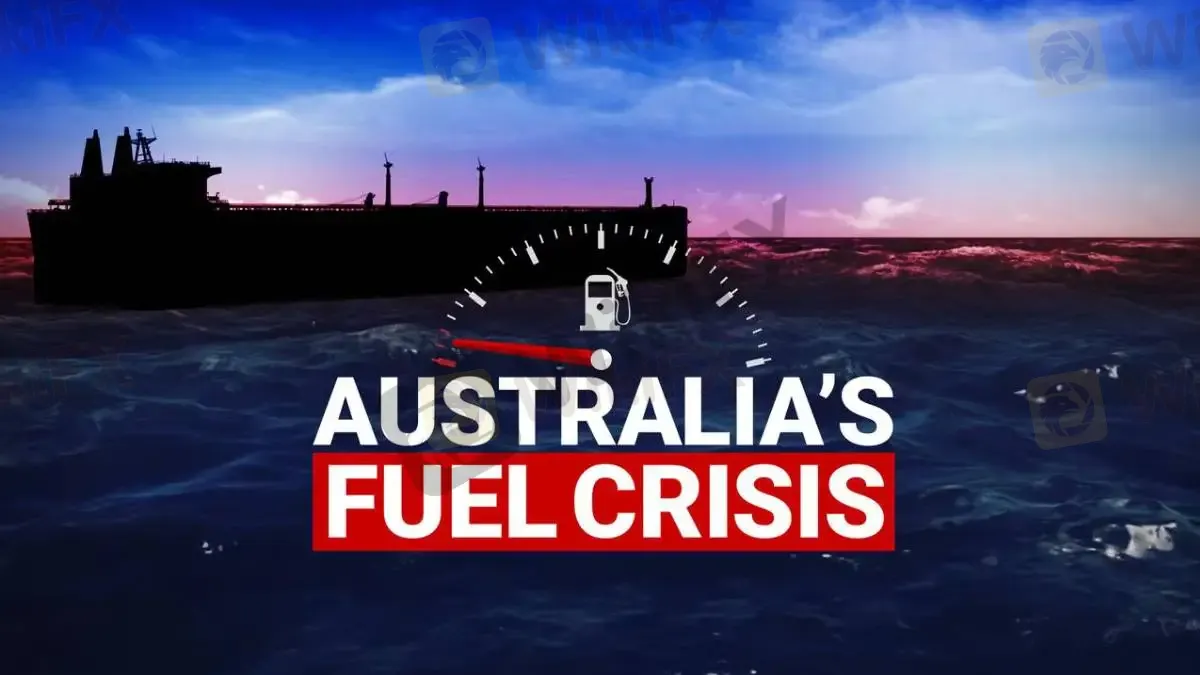
The emerging Fuel Crisis in Western Australia is more than a regional disruption—it is a clear stress test of global energy systems. Authorities have taken the unusual step of invoking emergency powers to force fuel suppliers to disclose detailed supply chain data, highlighting the seriousness of the situation.
This Fuel Crisis has been driven not only by supply constraints but also by panic buying. Rising geopolitical tensions linked to Iran have triggered fear-driven demand, rapidly draining fuel inventories. The situation shows how quickly market psychology can amplify underlying vulnerabilities and turn concern into real shortages.
At the core of the Fuel Crisis is the disruption of the Strait of Hormuz, a key global energy chokepoint through which a significant share of oil flows. Despite being resource-rich, Australia relies heavily on imported refined fuel. This creates a paradox: even energy-exporting regions can face domestic shortages when refining and logistics are constrained.
The economic implications are substantial. Western Australias economy depends heavily on diesel-powered industries such as mining and agriculture. A Fuel Crisis directly threatens production in sectors like iron ore and gold, as well as farming operations. Reduced fuel availability can delay exports, disrupt supply chains, and weaken overall economic output.
Behavioral factors have also played a major role. Panic buying has accelerated the depletion of fuel supplies, worsening shortages that might otherwise have been manageable. This pattern has been seen in past crises, where perception and fear often intensify actual supply issues.
Government intervention marks a turning point. By mandating supply chain transparency and increasing oversight, authorities aim to regain control over distribution and prevent further escalation. These actions suggest that the Fuel Crisis has moved beyond normal market dynamics and now requires direct policy involvement.
More broadly, the crisis highlights the fragility of global supply chains. Modern energy logistics are optimized for efficiency, often with minimal запас capacity. This leaves systems highly vulnerable to shocks. When disruptions occur—whether from conflict or demand spikes—the effects ripple quickly across regions.
Rising fuel prices add another layer of concern. Higher energy costs feed directly into transportation and production expenses, increasing inflationary pressures. Since energy underpins nearly all economic activity, the Fuel Crisis could have wide-ranging impacts on consumer prices and industrial output.
The situation also raises critical questions about energy security. Countries that depend on imported fuel are especially exposed to external disruptions. This crisis may accelerate efforts to expand domestic refining capacity, build strategic reserves, and diversify energy sources.
Looking ahead, the trajectory of the Fuel Crisis will depend on geopolitical developments and how quickly supply chains can adapt. Continued instability could prolong disruptions, while easing tensions may help stabilize markets.
In conclusion, the Fuel Crisis in Western Australia is not an isolated event. It reflects deeper structural weaknesses in the global energy system—where geopolitics, supply chains, and market behavior intersect. As governments and industries respond, this crisis may become a turning point, reshaping how nations approach energy security and resilience in an increasingly uncertain world.
Disclaimer:
Le opinioni di questo articolo rappresentano solo le opinioni personali dell’autore e non costituiscono consulenza in materia di investimenti per questa piattaforma. La piattaforma non garantisce l’accuratezza, la completezza e la tempestività delle informazioni relative all’articolo, né è responsabile delle perdite causate dall’uso o dall’affidamento delle informazioni relative all’articolo.
WikiFX Trader
EC markets
Sotto supervisione
TICKMILL
Sotto supervisione
IC Markets Global
Sotto supervisione
TMGM
Sotto supervisione
GO Markets
Sotto supervisione
STARTRADER
Sotto supervisione
EC markets
Sotto supervisione
TICKMILL
Sotto supervisione
IC Markets Global
Sotto supervisione
TMGM
Sotto supervisione
GO Markets
Sotto supervisione
STARTRADER
Sotto supervisione
WikiFX Trader
EC markets
Sotto supervisione
TICKMILL
Sotto supervisione
IC Markets Global
Sotto supervisione
TMGM
Sotto supervisione
GO Markets
Sotto supervisione
STARTRADER
Sotto supervisione
EC markets
Sotto supervisione
TICKMILL
Sotto supervisione
IC Markets Global
Sotto supervisione
TMGM
Sotto supervisione
GO Markets
Sotto supervisione
STARTRADER
Sotto supervisione
Rate Calc
USD

CNY
Tasso di cambio attuale:0
inserisci l'importo
USD
A disposizione
CNY
Calcolare 