

Broker Globale Piattaforma di Verifica Regolamentare
WikiFX
English
简体中文
繁體中文
English
Pусский
日本語
ภาษาไทย
Tiếng Việt
Bahasa Indonesia
Español
हिन्दी
Filippiiniläinen
Français
Deutsch
Português
Türkçe
한국어
العربية
FXTRADING Financial Focus (Asia-Pacific 04/02)Transatlantic Tensions Rise, Europe Rethinks Security
Sommario:Recently, the atmosphere across the Atlantic has clearly become more strained, with US President Donald Trump once again directing criticism toward Europe and repeatedly expressing strong dissatisfact
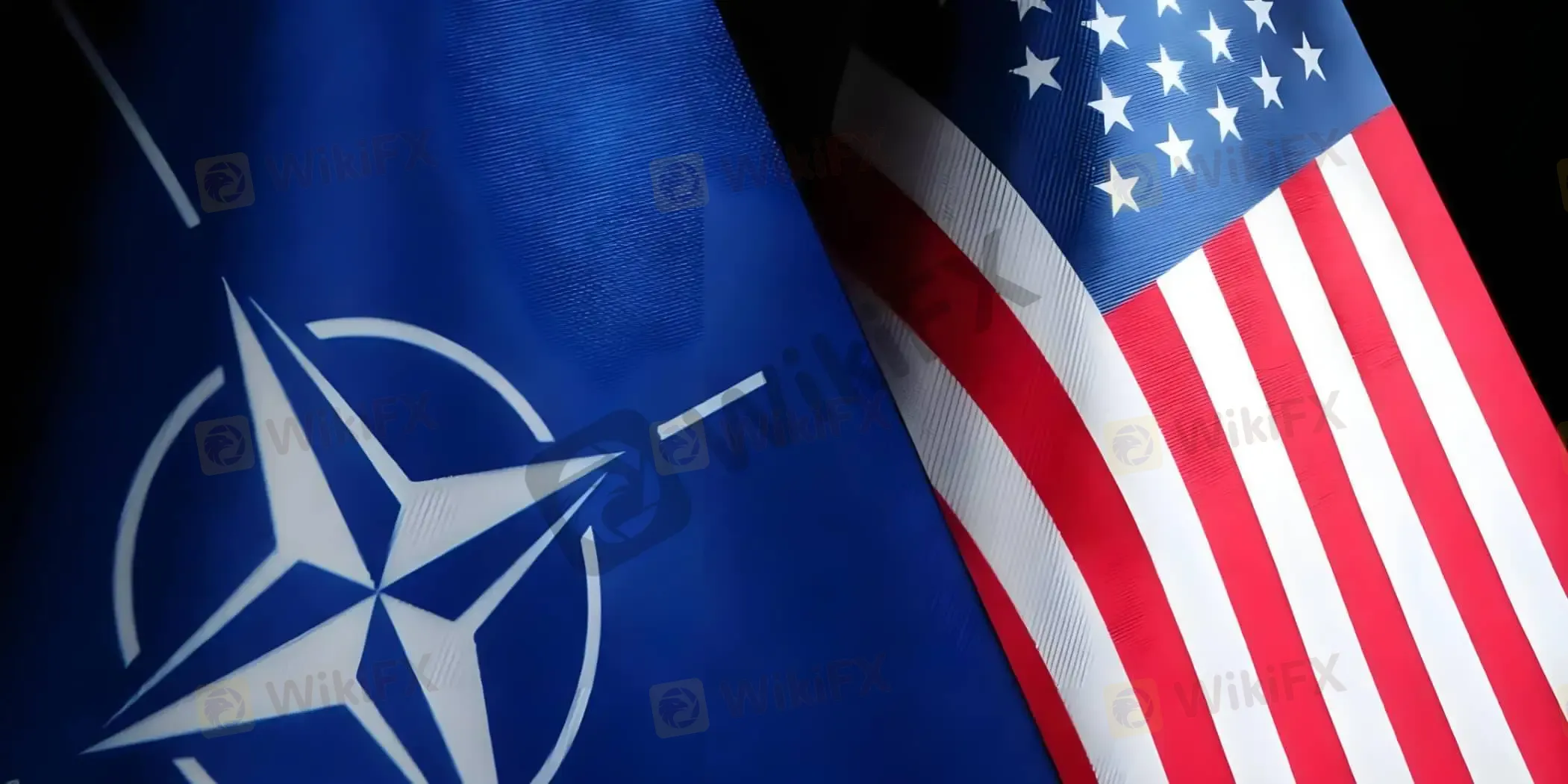
Recently, the atmosphere across the Atlantic has clearly become more strained, with US President Donald Trump once again directing criticism toward Europe and repeatedly expressing strong dissatisfaction. He believes that Europe has taken an overly passive stance on the Middle East situation and has not aligned with the United States at critical moments. As regional tensions continue to intensify, these differences have been rapidly magnified, bringing the already fragile transatlantic relationship back into the global political spotlight.
In a recent interview, Trump even suggested reassessing the United States‘ role within the NATO framework, stating that this decades-old defense structure needs to be seriously reviewed to determine whether it still serves US interests. While similar remarks have been made in the past, the tone this time is noticeably stronger. Against the backdrop of escalating tensions in the Middle East, such statements have raised concerns among European policymakers about whether the US is genuinely preparing to scale back its involvement in Europe’s security architecture.
At the same time, Trump also voiced dissatisfaction with Europes stance on energy transportation issues. He argued that under current conditions, with shipping through the Strait of Hormuz being disrupted, the United States should not continue to bear sole responsibility for safeguarding maritime routes. The message from Washington is clear: if European countries are unwilling to take on a greater role in regional affairs, they should not continue to rely entirely on US support. This stance quickly triggered widespread debate within Europe.
On social media, Trump‘s rhetoric became even more direct. He criticized certain European countries for lacking action on key issues and specifically called out France and the United Kingdom, suggesting that their responses to the recent situation have been insufficient. He also made remarks with a mocking tone regarding the UK’s military capabilities, further complicating Londons position. On one hand, the British government does not want to openly confront the United States; on the other, it must respond to domestic political pressure.
The UK Prime Minister adopted a notably cautious tone at a subsequent press conference. Without directly responding to Trump‘s criticism, he emphasized that the UK would not allow external pressure to dictate its position. The British government maintains that the current regional tensions should not be further escalated and therefore prefers to keep a certain distance. At the same time, London is promoting increased diplomatic engagement, seeking to maintain shipping stability in the Strait of Hormuz through multilateral cooperation. The UK’s foreign office has already planned to convene representatives from dozens of countries to discuss ways to reduce risks stemming from the situation.
Although the UK has publicly reaffirmed its support for the NATO framework, discussions within Europe have already begun to shift quietly. An increasing number of European countries are considering whether a more independent security framework is needed if the United States reduces its involvement in the future. The UK government has also signaled a willingness to deepen cooperation with European partners, including pushing for new security and economic dialogues with the European Union in an effort to repair relations strained by Brexit.
If these divisions continue to widen, transatlantic relations may enter a new phase. The security and political coordination mechanisms built over decades could gradually adjust. Europe may need to take on greater responsibility in areas such as security and energy protection, while the United States‘ approach to global engagement could also evolve. From FXTRADING’s perspective, the growing uncertainty in transatlantic relations is reshaping the pace of global policy coordination and prompting markets to reassess the stability of future international cooperation frameworks.
Disclaimer:
Le opinioni di questo articolo rappresentano solo le opinioni personali dell’autore e non costituiscono consulenza in materia di investimenti per questa piattaforma. La piattaforma non garantisce l’accuratezza, la completezza e la tempestività delle informazioni relative all’articolo, né è responsabile delle perdite causate dall’uso o dall’affidamento delle informazioni relative all’articolo.
WikiFX Trader
EC markets
Sotto supervisione
FXTM
Sotto supervisione
HFM
Sotto supervisione
FOREX.com
Supervisione del paese
TICKMILL
Sotto supervisione
GO Markets
Sotto supervisione
EC markets
Sotto supervisione
FXTM
Sotto supervisione
HFM
Sotto supervisione
FOREX.com
Supervisione del paese
TICKMILL
Sotto supervisione
GO Markets
Sotto supervisione
WikiFX Trader
EC markets
Sotto supervisione
FXTM
Sotto supervisione
HFM
Sotto supervisione
FOREX.com
Supervisione del paese
TICKMILL
Sotto supervisione
GO Markets
Sotto supervisione
EC markets
Sotto supervisione
FXTM
Sotto supervisione
HFM
Sotto supervisione
FOREX.com
Supervisione del paese
TICKMILL
Sotto supervisione
GO Markets
Sotto supervisione
Rate Calc
USD

CNY
Tasso di cambio attuale:0
inserisci l'importo
USD
A disposizione
CNY
Calcolare 