

Broker Globale Piattaforma di Verifica Regolamentare
WikiFX
English
简体中文
繁體中文
English
Pусский
日本語
ภาษาไทย
Tiếng Việt
Bahasa Indonesia
Español
हिन्दी
Filippiiniläinen
Français
Deutsch
Português
Türkçe
한국어
العربية
FXTRADING Financial Focus (Asia-Pacific 04/01)LNG Prices Rise as Australia Debates Energy Taxes
Sommario:Tensions in the energy market have been rising noticeably, especially in liquefied natural gas. Supply disruptions triggered by the Middle East conflict have made an already tight market even more fra
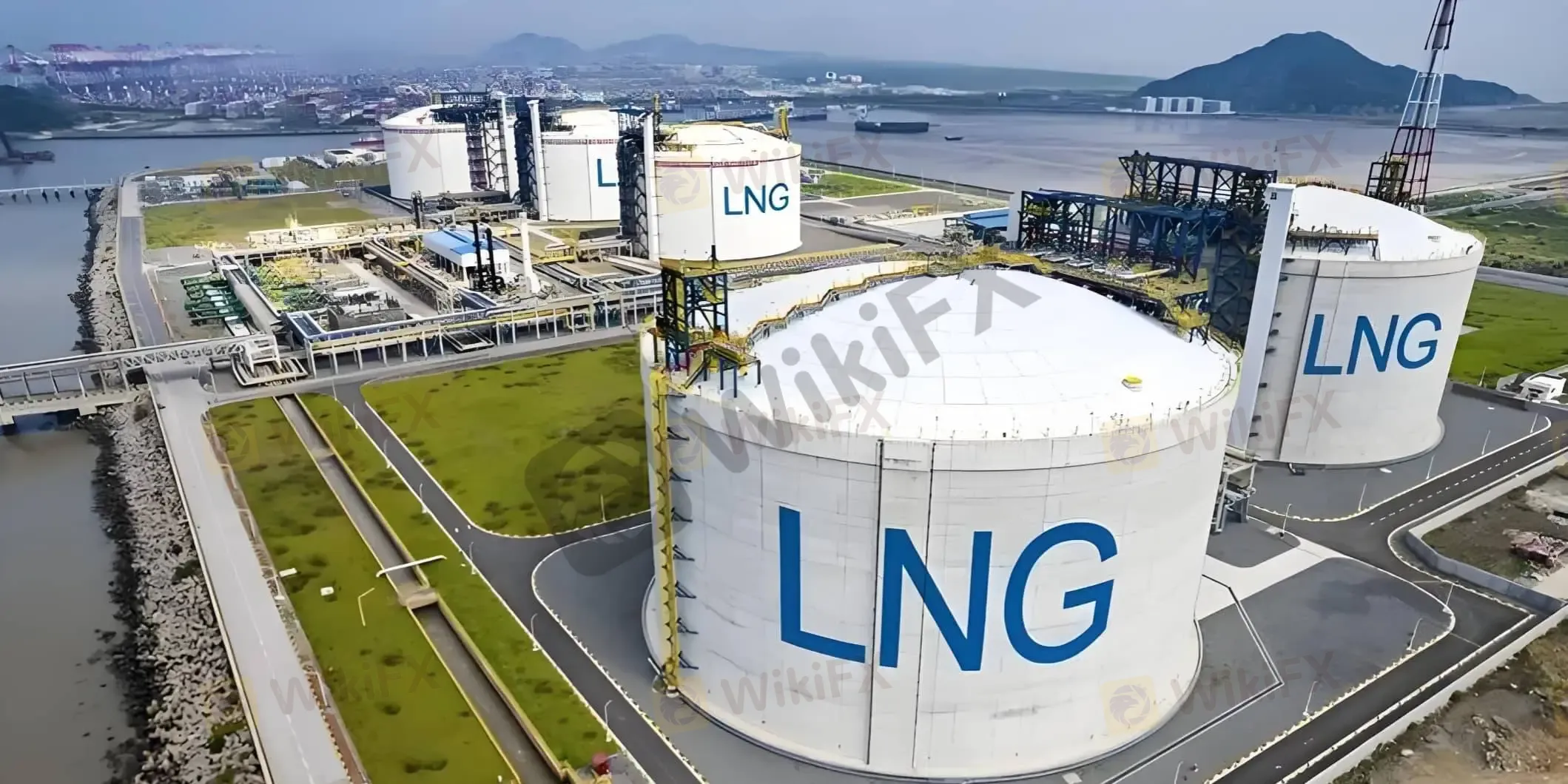
Tensions in the energy market have been rising noticeably, especially in liquefied natural gas. Supply disruptions triggered by the Middle East conflict have made an already tight market even more fragile. After part of Qatars production was forced offline, Asian spot prices surged sharply within a short period, approaching their highest levels in nearly three years. This rise is not merely sentiment-driven, but more directly reflects a rapid tightening in the supply-demand structure.
As supply from the Middle East becomes constrained, Australia has emerged as the worlds second-largest LNG exporter, with export revenue expectations rising accordingly. This is particularly evident in long-term contracts linked to oil prices, where profit realization tends to lag. In the coming months, these earnings could increase significantly.
With profit margins expanding due to higher prices, the Australian government has begun reassessing its energy taxation framework. Policymakers are discussing higher tax rates on LNG exporters and even considering the introduction of a windfall tax mechanism, alongside adjustments to the existing Petroleum Resource Rent Tax. Internal modeling has already begun, with the goal of capturing greater fiscal revenue from the current price cycle.
However, major energy companies generally view such policies as short-term responses rather than long-term strategies. A significant increase in tax burdens would compress project returns, prompting capital to shift toward more attractive regions. For companies, natural gas development is inherently capital-intensive and long-cycle, and policy uncertainty often poses a greater risk than price volatility itself.
From an industry perspective, Australias existing tax system already has a degree of lag. Companies typically begin paying higher taxes only after recovering substantial upfront investments, which partly explains the relatively limited tax contributions in recent years. As projects mature, tax and royalty revenues are expected to rise gradually, meaning fiscal gains are not entirely dependent on additional taxation measures.
At the same time, policy discussions have extended to domestic supply. The Australian government is considering implementing a reservation mechanism starting in 2027 for the east coast and Northern Territory, requiring a portion of output to be retained for domestic use. While this could help ease domestic energy price pressures in the short term, it may also reduce export flexibility and further influence investment decisions.
From the perspective of corporate activity, ongoing exploration in new regions of Queensland and expansion plans for large-scale LNG projects suggest that companies remain confident in long-term demand. However, this confidence hinges on policy stability. If regulatory frameworks change frequently, long-term capital investment will inevitably become more cautious. From the FXTRADING perspective, the current rise in energy prices and the policy tug-of-war are creating a new source of uncertainty. On one side, supply shocks are expanding profit potential; on the other, governments are attempting to redistribute these gains. This tension could directly shape the pace of future energy investment. If policies prioritize short-term revenue maximization, they may weaken supply capacity over the medium to long term and exacerbate price volatility. Conversely, policies that emphasize stability could help maintain a balance between supply expansion and energy security.

(For more insights into global macroeconomic trends and market developments, please follow FXTRADINGs official updates. This information is provided for reference only and does not constitute any form of investment advice.)
Disclaimer:
Le opinioni di questo articolo rappresentano solo le opinioni personali dell’autore e non costituiscono consulenza in materia di investimenti per questa piattaforma. La piattaforma non garantisce l’accuratezza, la completezza e la tempestività delle informazioni relative all’articolo, né è responsabile delle perdite causate dall’uso o dall’affidamento delle informazioni relative all’articolo.
WikiFX Trader
GO Markets
Sotto supervisione
XM
Sotto supervisione
FXCM
Sotto supervisione
D prime
Supervisione del paese
HFM
Sotto supervisione
EBC FINANCIAL GROUP
Sotto supervisione
GO Markets
Sotto supervisione
XM
Sotto supervisione
FXCM
Sotto supervisione
D prime
Supervisione del paese
HFM
Sotto supervisione
EBC FINANCIAL GROUP
Sotto supervisione
WikiFX Trader
GO Markets
Sotto supervisione
XM
Sotto supervisione
FXCM
Sotto supervisione
D prime
Supervisione del paese
HFM
Sotto supervisione
EBC FINANCIAL GROUP
Sotto supervisione
GO Markets
Sotto supervisione
XM
Sotto supervisione
FXCM
Sotto supervisione
D prime
Supervisione del paese
HFM
Sotto supervisione
EBC FINANCIAL GROUP
Sotto supervisione
Rate Calc
USD

CNY
Tasso di cambio attuale:0
inserisci l'importo
USD
A disposizione
CNY
Calcolare 