

Broker Globale Piattaforma di Verifica Regolamentare
WikiFX
English
简体中文
繁體中文
English
Pусский
日本語
ภาษาไทย
Tiếng Việt
Bahasa Indonesia
Español
हिन्दी
Filippiiniläinen
Français
Deutsch
Português
Türkçe
한국어
العربية
FXTRADING Economic Data Summary (Asia-Pacific | 03/27)
Sommario:The European Central Bank Keeps the Option of Rate Hikes OpenAs the Middle East conflict pushes energy costs higher and inflation risks intensify again, some European Central Bank officials have begun

The European Central Bank Keeps the Option of Rate Hikes Open
As the Middle East conflict pushes energy costs higher and inflation risks intensify again, some European Central Bank officials have begun to reassess the pace of policy. Joachim Nagel has taken a relatively direct stance, arguing that under the current environment it may not be appropriate to wait for inflation data to fully materialize before acting, but instead to evaluate whether medium-term inflation expectations are being pushed higher again. Especially with wage growth still showing strong persistence, a delayed policy response could increase the cost of future adjustments.
In terms of timing, April is not a predetermined action window, but it has now been formally included among the available options. The core judgment within the ECBs leadership is whether incoming data in the coming period will further confirm a renewed acceleration in inflation. FXTRADING believes the ECB is shifting from a wait-and-see stance toward preserving policy flexibility, with short-term policy uncertainty rising noticeably and the April meeting likely becoming a key turning point for expectations.
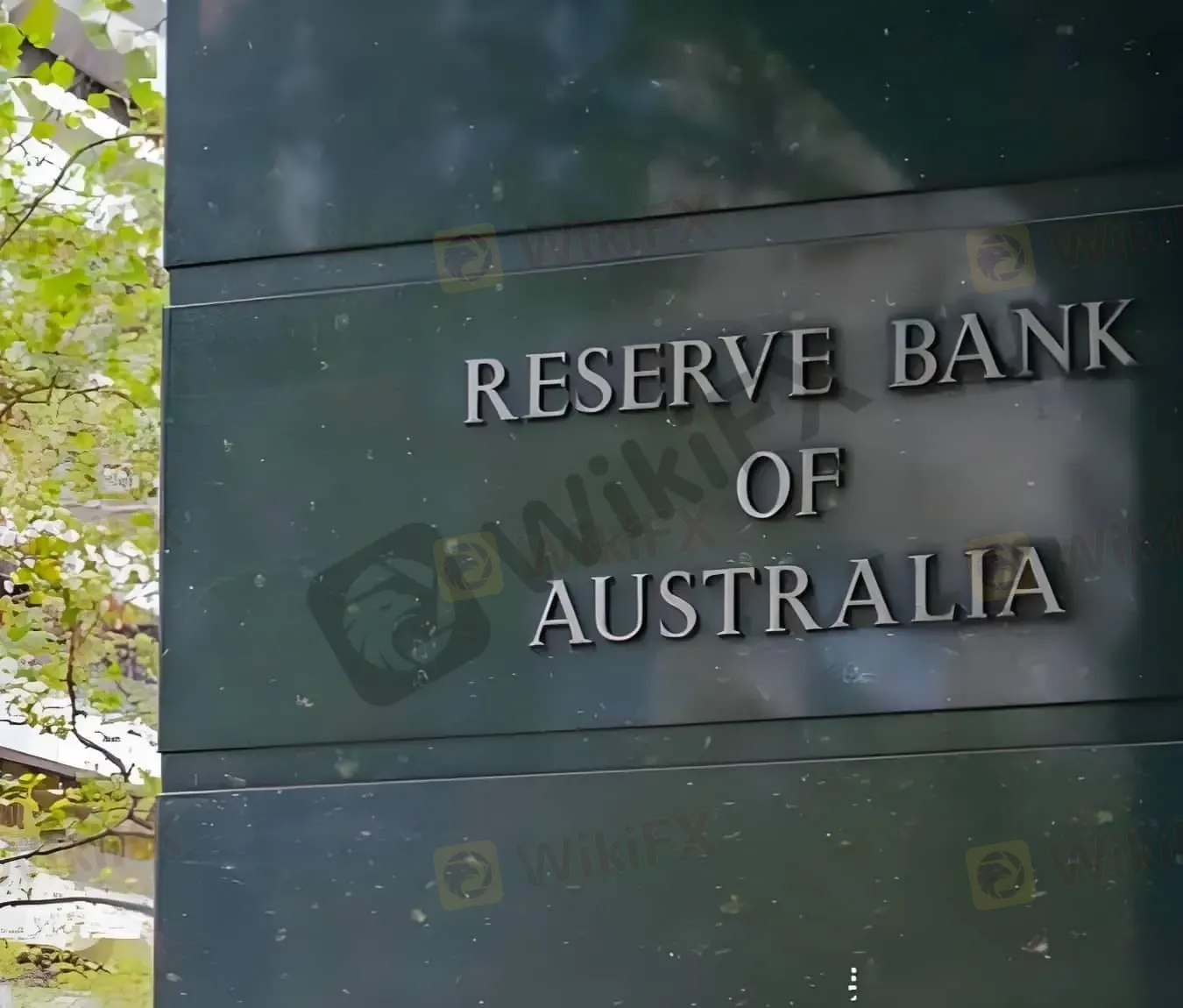
Australian Monetary Policy Faces Repricing
In Australia, the discussion is more focused on structural changes. RBA Assistant Governor Christopher Kent emphasized that the issue is not just the short-term rise in oil prices, but the possibility that the neutral interest rate itself may be moving higher. This implies that even without a clearly overheating economy, the appropriate range for policy rates may need to be reassessed. The logic is straightforward: rising energy prices represent a supply shock that lifts the overall price level while simultaneously compressing household real income.
In such an environment, the RBA faces a difficult balance. On one hand, economic activity could be weakened, while on the other hand inflation expectations may rise again. If mishandled, this could evolve into more persistent price pressures. As a result, policy bias has begun to tilt slightly toward the tightening side. Even if growth remains modest, stabilizing inflation expectations may take priority. FXTRADING believes the central challenge for the RBA now lies in the inflation risk stemming from supply shocks, which has begun to outweigh growth concerns. The interest-rate path could therefore shift higher, meaning market expectations for easing may need to be reconsidered.
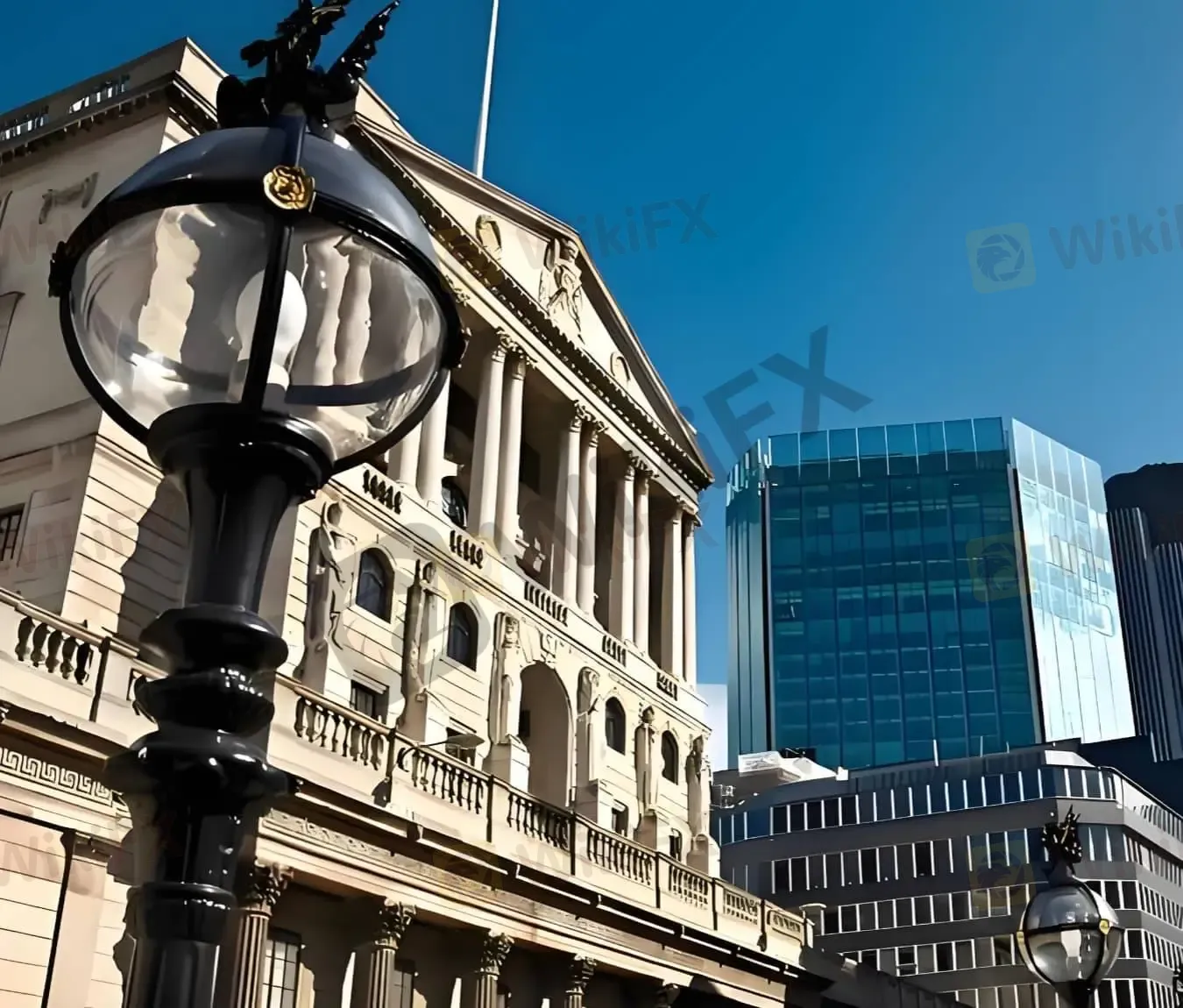
The Bank of England Remains Cautious as Inflation Risks Rise
Recent remarks from Bank of England policymaker Megan Greene suggest that although inflation risks are rising, the policy stance has not yet shifted toward tighter conditions. Her focus remains on whether inflation will become persistent rather than reacting to short-term price fluctuations. The labor market has already cooled somewhat, and wage growth is no longer as strong as it was in the previous two years, which reduces the likelihood of second-round inflation effects to some extent.
However, changes in the external environment still complicate the policy outlook. Elevated energy prices and stubbornly high food costs may continue to support inflation. PMI surveys are also showing increasing cost pressures, though these are currently viewed more as warning signals than evidence of a sustained trend. The Bank of England appears more inclined to continue observing developments rather than acting prematurely. FXTRADING believes the BoE remains in a wait-and-see phase, with policy focused on confirming whether inflation pressures will become persistent. Without clear strengthening in the data, rate hikes are unlikely to become the short-term policy theme.

Germanys Economic Momentum Clearly Weakened by Geopolitical Shock
Germanys latest business sentiment indicators are sending a fairly clear signal that corporate confidence is cooling noticeably. The decline in the expectations component is particularly striking, suggesting that businesses are becoming increasingly cautious about the future. Such changes often imply that economic momentum has already begun to weaken, which could influence investment and production decisions in the months ahead.
Structurally, manufacturing orders are declining, service demand is softening, and both trade and construction sectors lack meaningful support. Geopolitical tensions and rising energy costs are forcing companies to cope with both higher expenses and weaker expansion incentives. FXTRADING believes the German economy has slipped back toward stagnation after briefly approaching recovery, with external shocks amplifying underlying structural weaknesses and leaving little room for a near-term improvement.
Disclaimer:
Le opinioni di questo articolo rappresentano solo le opinioni personali dell’autore e non costituiscono consulenza in materia di investimenti per questa piattaforma. La piattaforma non garantisce l’accuratezza, la completezza e la tempestività delle informazioni relative all’articolo, né è responsabile delle perdite causate dall’uso o dall’affidamento delle informazioni relative all’articolo.
WikiFX Trader
FXTM
Sotto supervisione
ZFX
Sotto supervisione
IC Markets Global
Sotto supervisione
XM
Sotto supervisione
AVATRADE
Sotto supervisione
eightcap
Sotto supervisione
FXTM
Sotto supervisione
ZFX
Sotto supervisione
IC Markets Global
Sotto supervisione
XM
Sotto supervisione
AVATRADE
Sotto supervisione
eightcap
Sotto supervisione
WikiFX Trader
FXTM
Sotto supervisione
ZFX
Sotto supervisione
IC Markets Global
Sotto supervisione
XM
Sotto supervisione
AVATRADE
Sotto supervisione
eightcap
Sotto supervisione
FXTM
Sotto supervisione
ZFX
Sotto supervisione
IC Markets Global
Sotto supervisione
XM
Sotto supervisione
AVATRADE
Sotto supervisione
eightcap
Sotto supervisione
Rate Calc
USD

CNY
Tasso di cambio attuale:0
inserisci l'importo
USD
A disposizione
CNY
Calcolare 