

Applicazione di richiesta di informazioni sulla regolamentazione dei broker globali
WikiFX
English
简体中文
繁體中文
English
Pусский
日本語
ภาษาไทย
Tiếng Việt
Bahasa Indonesia
Español
हिन्दी
Filippiiniläinen
Français
Deutsch
Português
Türkçe
한국어
العربية
FXTRADING Economic Data Summary (Asia-Pacific | 03/13)
Sommario:Canadian construction activity shows resilienceStatistics show that the total value of Canadian building permits rose about 4.8% month-on-month in January to CAD 13.34 billion. This result not only ex

Canadian construction activity shows resilience
Statistics show that the total value of Canadian building permits rose about 4.8% month-on-month in January to CAD 13.34 billion. This result not only exceeded market expectations for a decline but also extended the growth momentum seen in December last year. Two consecutive months of increases suggest that the construction sector has maintained a certain level of expansion at the start of the new year. On an annual basis, the total value of permits increased roughly 4.2%, indicating that overall construction demand remains relatively stable.
From a structural perspective, the residential sector continued to provide the main support. The total value of residential permits rose to CAD 7.97 billion, with single-family housing intentions increasing notably by 8.9% from the previous month. Permits for multi-family housing declined slightly, but the strong growth in single-family housing partially offset that weakness. Meanwhile, non-residential construction also expanded rapidly, with permit values rising 9.4%. FXTRADING analysis suggests that the continued rebound in Canadian building permits indicates that real estate and infrastructure investment still show resilience. If this trend continues, it could provide a certain degree of support for economic growth.
U.S. goods trade deficit narrows significantly
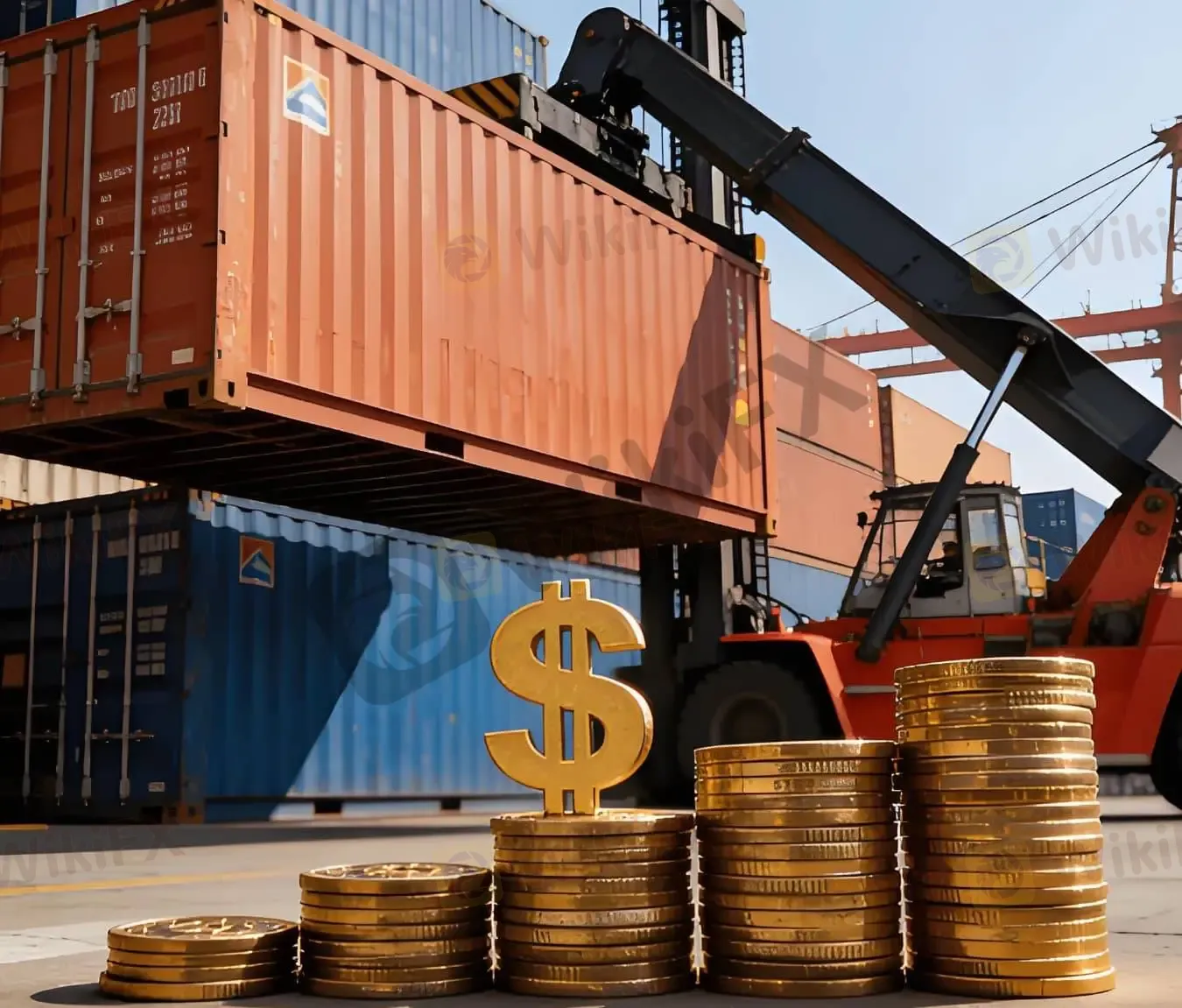
The U.S. goods trade deficit shrank to USD 80.8 billion in January 2026, a noticeable improvement from nearly USD 100 billion in the previous month. This marks the smallest trade gap since September 2025. The change in the trade balance was mainly driven by a combination of stronger exports and declining imports, resulting in a temporary improvement in overall trade conditions.
Specifically, exports increased about 13% month-on-month to USD 194.8 billion. Industrial supplies, capital goods, and agricultural products recorded particularly strong growth, becoming key drivers of export expansion. Meanwhile, imports fell sharply by around 15.7%. Declines in industrial supplies and automobile imports offset the increase in capital equipment imports. The combination of lower imports and stronger exports significantly reduced the trade deficit. FXTRADING analysis believes that the narrowing of the trade gap mainly reflects short-term adjustments in the trade structure and does not necessarily indicate a long-term shift in trend. If global demand remains stable, U.S. exports could still see further improvement.

Australian business confidence declines
The latest survey shows that Australias National Australia Bank business confidence index fell into negative territory in February, marking the first time in nearly a year that this has occurred. The noticeable drop in confidence suggests that businesses have become more cautious about the future economic outlook. However, indicators measuring current business conditions remain relatively stable, indicating that actual operating activity has not deteriorated significantly.
Corporate surveys show that labor cost growth has accelerated and retail price increases have also expanded noticeably. These developments indicate that inflationary pressure on the corporate side still exists. Many in the market believe the recent drop in sentiment is related to the Reserve Bank of Australias interest rate hike in February. FXTRADING analysis suggests that the decline in business confidence mainly reflects uncertainty about the future rather than a clear weakening in current economic activity. If energy prices continue to rise or interest rates remain elevated, corporate sentiment could face continued pressure in the coming months.

Eurozone producer prices rise again
Data released by the European statistical agency show that Eurozone producer prices increased 0.7% month-on-month in January, significantly above earlier market expectations for a modest rise. This suggests that production costs for businesses are rising again, with signs that upstream inflationary pressure is beginning to accumulate once more.
Looking at the breakdown, prices increased across most sectors. Intermediate goods and energy prices recorded relatively strong gains, while capital goods and durable consumer goods prices also rose to varying degrees. Even excluding energy factors, overall industrial prices continued to show growth. Across the broader European Union, producer prices increased by an average of 0.8%. FXTRADING analysis believes that the rebound in upstream prices indicates that energy costs are still being transmitted along the supply chain. If this trend continues, inflation pressure at the consumer level could rise again, which may lead the European Central Bank to remain more cautious in its monetary policy stance.
Disclaimer:
Le opinioni di questo articolo rappresentano solo le opinioni personali dell’autore e non costituiscono consulenza in materia di investimenti per questa piattaforma. La piattaforma non garantisce l’accuratezza, la completezza e la tempestività delle informazioni relative all’articolo, né è responsabile delle perdite causate dall’uso o dall’affidamento delle informazioni relative all’articolo.
WikiFX Trader
D prime
Supervisione del paese
GO Markets
Sotto supervisione
TICKMILL
Sotto supervisione
AVATRADE
Sotto supervisione
ZFX
Sotto supervisione
eightcap
Sotto supervisione
D prime
Supervisione del paese
GO Markets
Sotto supervisione
TICKMILL
Sotto supervisione
AVATRADE
Sotto supervisione
ZFX
Sotto supervisione
eightcap
Sotto supervisione
WikiFX Trader
D prime
Supervisione del paese
GO Markets
Sotto supervisione
TICKMILL
Sotto supervisione
AVATRADE
Sotto supervisione
ZFX
Sotto supervisione
eightcap
Sotto supervisione
D prime
Supervisione del paese
GO Markets
Sotto supervisione
TICKMILL
Sotto supervisione
AVATRADE
Sotto supervisione
ZFX
Sotto supervisione
eightcap
Sotto supervisione
Rate Calc
USD

CNY
Tasso di cambio attuale:0
inserisci l'importo
USD
A disposizione
CNY
Calcolare 