

Applicazione di richiesta di informazioni sulla regolamentazione dei broker globali
WikiFX
English
简体中文
繁體中文
English
Pусский
日本語
ภาษาไทย
Tiếng Việt
Bahasa Indonesia
Español
हिन्दी
Filippiiniläinen
Français
Deutsch
Português
Türkçe
한국어
العربية
FXTRADING Financial Focus (Asia-Pacific 03/04)Middle East tensions dampen BOJ March hike bets
Sommario:Financial markets have once again shifted their focus to developments in the Middle East. The escalation of conflict has not only pushed up international oil prices but also triggered noticeable swing

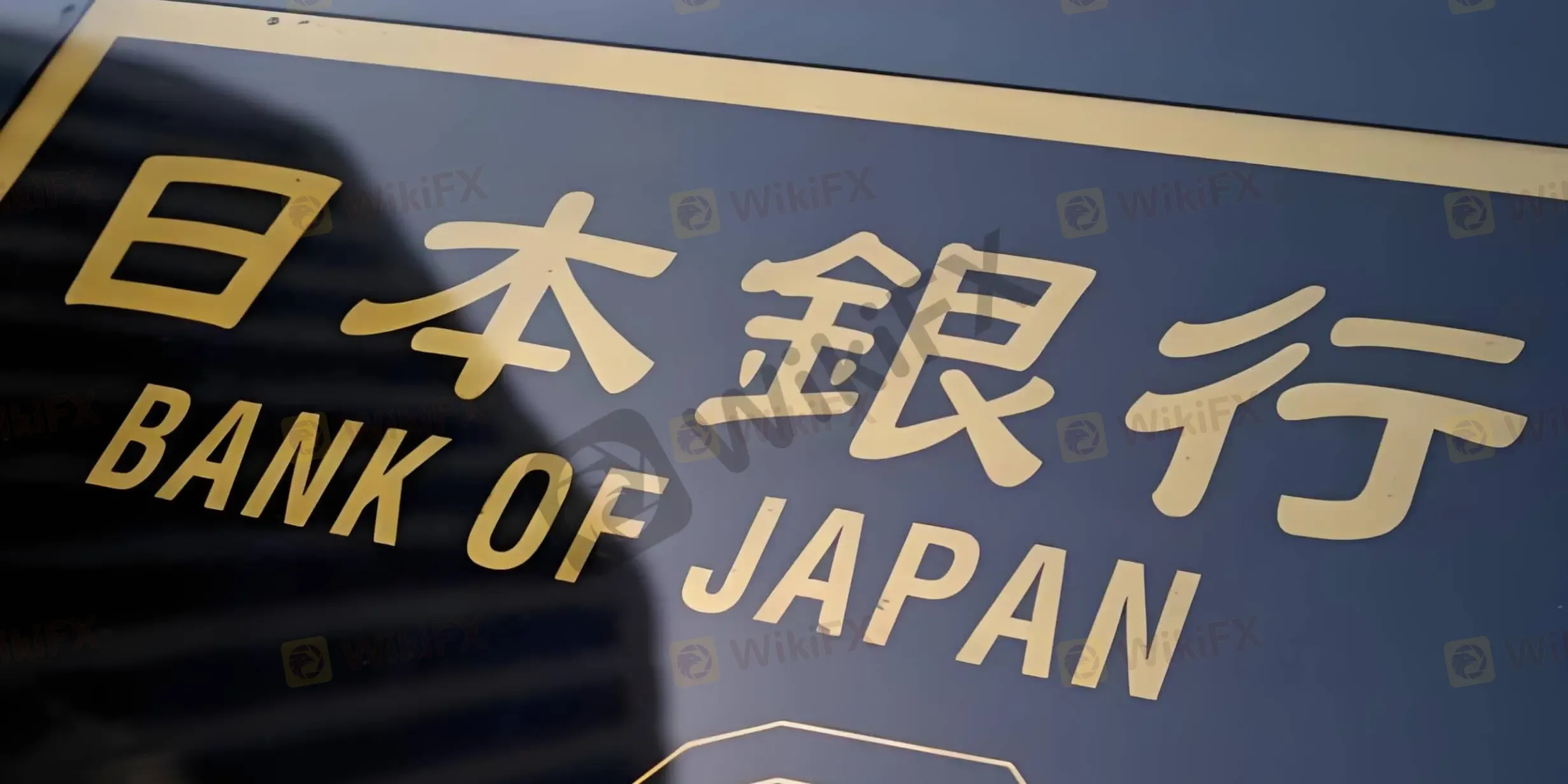
Financial markets have once again shifted their focus to developments in the Middle East. The escalation of conflict has not only pushed up international oil prices but also triggered noticeable swings in global risk appetite. Against this backdrop, internal discussions at the Bank of Japan have turned more cautious regarding the policy timeline. Debate that once centered on whether action would be taken at the March meeting has clearly cooled. Several sources close to policymakers indicated that officials are reassessing how external shocks could affect Japans economic recovery path, particularly as upward pressure on energy costs re-emerges.
For Japan, a country highly dependent on imported fuel, any sustained increase in energy prices quickly transmits through corporate costs and household expenses into the broader economy. In the short term, higher oil prices may lift inflation readings, but if the conflict drags on, corporate profits and consumer confidence could come under strain. Policymakers are concerned that if economic momentum weakens, tightening policy prematurely could amplify risks rather than contain them.
The Bank of Japan has already completed a phase of rate hikes and now needs time to assess their effects. Two sources familiar with internal discussions noted that authorities prefer to evaluate the lagged impact of previous tightening on growth and prices before deciding on further moves. With geopolitical uncertainty layered on top of an existing normalization path, the difficulty of policymaking has clearly increased. The duration of the conflict will be a key variable shaping future decisions.
Changes in market pricing reflect this shift in tone. In recent public remarks, Deputy Governor Ryozo Himino did not signal any imminent policy shift, prompting investors to further trim expectations for a March hike. What was already a modest probability has declined further, with more attention now turning to the April meeting. The late-April window appears more realistic, as policymakers would then have access to more complete data and a clearer assessment of external conditions.
It is worth noting that Governor Kazuo Ueda previously indicated in media interviews that action in the spring remained possible, while emphasizing that everything depends on incoming data. Such language itself leaves room for flexibility. As circumstances evolve, the policy bias has naturally tilted toward caution. Some market strategists argue that if there were a strong intention to hike in March, clearer communication signals would likely have been delivered in advance, which has not been the case so far.
Of course, if the yen were to depreciate sharply and reignite concerns over imported inflation, policymakers might be forced to reassess the balance of risks. However, at a stage when the conflict continues to unfold and global market volatility is intensifying, stabilizing expectations appears to take precedence over accelerating the tightening pace. The central bank is more likely to monitor developments rather than act hastily at a time of peak uncertainty.
Looking ahead, if energy prices remain elevated, Japanese firms may need to adjust their cost structures and earnings expectations, while consumer sentiment could also be affected. Uncertainty surrounding the policy path may prolong the markets wait-and-see stance toward the economic outlook, potentially slowing corporate investment and capital expenditure decisions. Global capital flows may also rebalance between safe-haven demand and yield considerations. From the perspective of FXTRADING, the key theme at this stage lies in how external shocks are reshaping the macro environment. A slower pace from the Bank of Japan could lead to a new configuration in policy divergence among major central banks worldwide.
(For more insights into global macroeconomic trends and market developments, please follow FXTRADINGs official updates. This information is provided for reference only and does not constitute any form of investment advice.)
Disclaimer:
Le opinioni di questo articolo rappresentano solo le opinioni personali dell’autore e non costituiscono consulenza in materia di investimenti per questa piattaforma. La piattaforma non garantisce l’accuratezza, la completezza e la tempestività delle informazioni relative all’articolo, né è responsabile delle perdite causate dall’uso o dall’affidamento delle informazioni relative all’articolo.
WikiFX Trader
GO Markets
Sotto supervisione
IC Markets Global
Sotto supervisione
AVATRADE
Sotto supervisione
FXCM
Sotto supervisione
D prime
Supervisione del paese
VT Markets
Sotto supervisione
GO Markets
Sotto supervisione
IC Markets Global
Sotto supervisione
AVATRADE
Sotto supervisione
FXCM
Sotto supervisione
D prime
Supervisione del paese
VT Markets
Sotto supervisione
WikiFX Trader
GO Markets
Sotto supervisione
IC Markets Global
Sotto supervisione
AVATRADE
Sotto supervisione
FXCM
Sotto supervisione
D prime
Supervisione del paese
VT Markets
Sotto supervisione
GO Markets
Sotto supervisione
IC Markets Global
Sotto supervisione
AVATRADE
Sotto supervisione
FXCM
Sotto supervisione
D prime
Supervisione del paese
VT Markets
Sotto supervisione
Rate Calc
USD

CNY
Tasso di cambio attuale:0
inserisci l'importo
USD
A disposizione
CNY
Calcolare 