

Broker Globale Piattaforma di Verifica Regolamentare
WikiFX
English
简体中文
繁體中文
English
Pусский
日本語
ภาษาไทย
Tiếng Việt
Bahasa Indonesia
Español
हिन्दी
Filippiiniläinen
Français
Deutsch
Português
Türkçe
한국어
العربية
FXTRADING Economic Data Summary (Asia-Pacific | 02/10)
Sommario:Japans Purchasing Power Recovery Remains SlowJapans nominal wages rose 2.4% year-on-year in December, accelerating notably from the previous month and extending a streak of nearly four years of contin

Japans Purchasing Power Recovery Remains Slow
Japans nominal wages rose 2.4% year-on-year in December, accelerating notably from the previous month and extending a streak of nearly four years of continuous growth. From a structural perspective, base pay growth improved, and special payments supported by winter bonuses also strengthened, suggesting that companies are gradually becoming more willing to raise compensation. However, overtime income declined slightly, indicating that firms remain cautious about labor demand.
From the household perspective, however, the improvement in income still feels limited. After adjusting for prices, real wages continued to decline slightly year-on-year. Although the drop narrowed to the smallest level in nearly a year, inflation is still running ahead of income growth. This means the recovery in consumption remains constrained, and household spending appetite is unlikely to strengthen significantly in the near term. FXTRADING believes that while Japans income environment is improving, real purchasing power has yet to enter a positive cycle, and a meaningful recovery in consumption will require wage growth to sustainably outpace inflation.
Long-Term UK Yields Face Upward Pressure
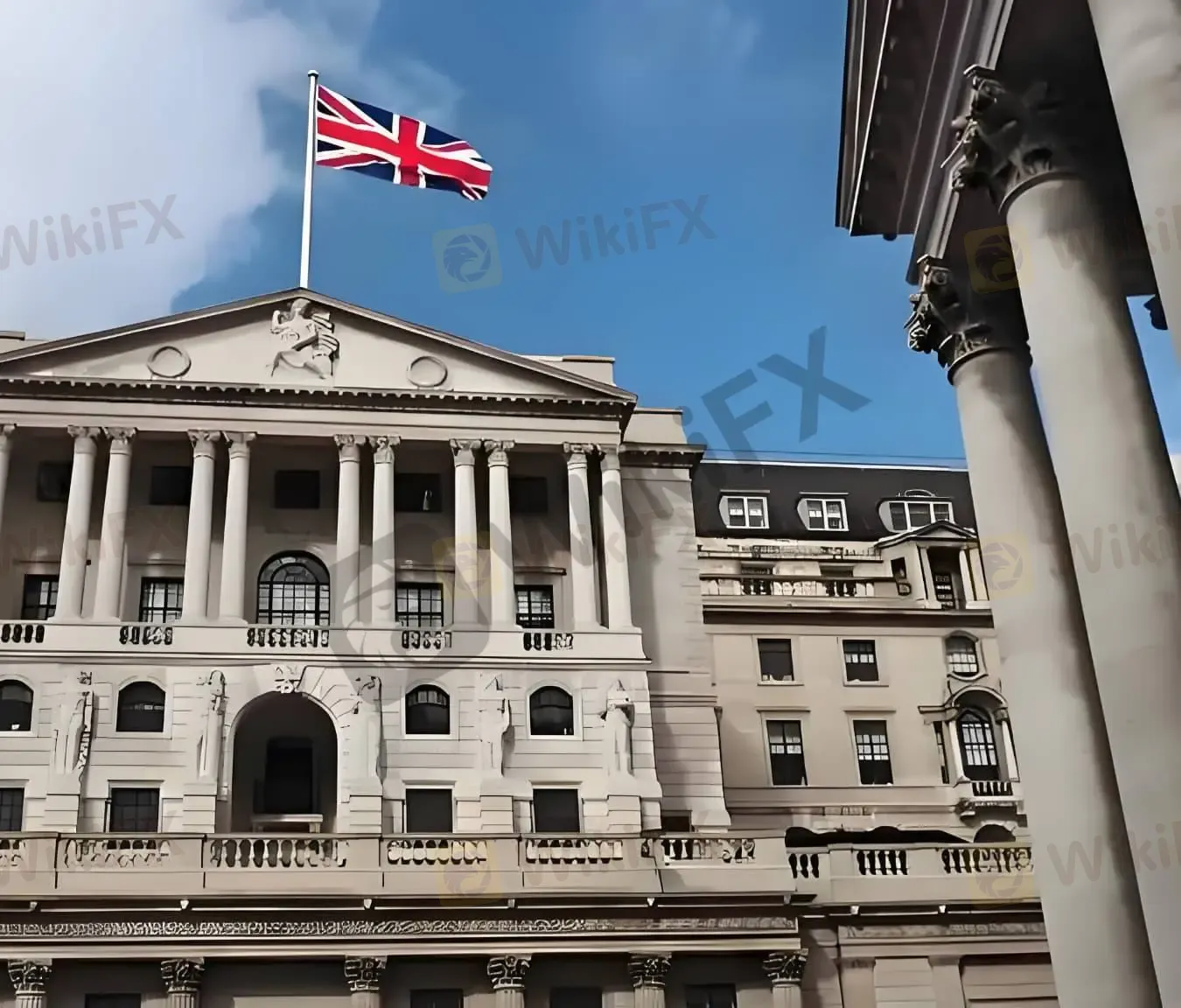
The Bank of Englands latest survey shows that markets have formed a relatively consistent view of the policy path ahead. Investors widely expect the policy rate to enter a gradual easing phase over the next year and fall to around 3% by around 2027. This outlook reflects confidence that inflation will continue to moderate and that policy adjustments will proceed in a measured and orderly manner rather than through a rapid shift.
It is worth noting that while short-term rate expectations are tilted toward easing, views on quantitative tightening remain unchanged, with net gilt sales expected to stay at a relatively high level over the next year. At the same time, markets have revised up their forecasts for long-term yields, citing fiscal pressures and structural factors as key sources of support. This suggests the yield curve may evolve toward a pattern of falling short-end rates alongside stable or even rising long-end yields. FXTRADING believes that the UKs future rate environment will feature a combination of policy easing and persistently elevated long-term financing costs, with fiscal supply dynamics increasingly driving long-end pricing.

ECB Sees a Strong Euro as a Potential Policy Constraint
The European Central Bank is paying increasing attention to exchange rate developments. ECB officials noted that the current level of the euro has already been incorporated into the inflation outlook, but a rapid and significant appreciation could have a meaningful impact on economic activity and price dynamics. A stronger currency would weaken export competitiveness while lowering import prices, adding further downward pressure on inflation.
Historically, the effects of the euros earlier appreciation have not yet fully filtered through to the economy, and the associated disinflationary impact is expected to emerge more clearly in the coming months. Since these factors are already reflected in baseline projections, there is no immediate need for policy adjustment. However, if the euro were to strengthen further in a pronounced way, room for a policy response would remain. FXTRADING believes the exchange rate is shifting from a market variable to a policy constraint, and any renewed one-sided appreciation could lead the ECB to adopt a more cautious stance.

Canada Enters a Phase of Moderate Growth
The Bank of Canada stated that the economy is currently undergoing a deeper adjustment cycle. Changes in the global trade environment, industrial restructuring driven by technological progress, and slower population growth are reshaping the foundations of economic activity. While these developments should improve efficiency over the long term, they will inevitably bring short-term friction and uncertainty.
During the transition, both business investment and household expectations are likely to be affected, resulting in a more moderate pace of expansion. The central bank expects growth to remain subdued over the coming years, while inflation is projected to stabilize near target. Some of the current softness reflects cyclical pressures from trade frictions, but deeper headwinds stem from the cost adjustments associated with structural transformation. FXTRADING believes the Canadian economy is shifting from cyclical fluctuations toward structural realignment, with a lower medium-term growth trend and a policy focus increasingly centered on stabilizing expectations and ensuring a smooth adjustment process.
Disclaimer:
Le opinioni di questo articolo rappresentano solo le opinioni personali dell’autore e non costituiscono consulenza in materia di investimenti per questa piattaforma. La piattaforma non garantisce l’accuratezza, la completezza e la tempestività delle informazioni relative all’articolo, né è responsabile delle perdite causate dall’uso o dall’affidamento delle informazioni relative all’articolo.
WikiFX Trader
ZFX
Sotto supervisione
EBC FINANCIAL GROUP
Sotto supervisione
XM
Sotto supervisione
vantage
Sotto supervisione
D prime
Supervisione del paese
IC Markets Global
Sotto supervisione
ZFX
Sotto supervisione
EBC FINANCIAL GROUP
Sotto supervisione
XM
Sotto supervisione
vantage
Sotto supervisione
D prime
Supervisione del paese
IC Markets Global
Sotto supervisione
WikiFX Trader
ZFX
Sotto supervisione
EBC FINANCIAL GROUP
Sotto supervisione
XM
Sotto supervisione
vantage
Sotto supervisione
D prime
Supervisione del paese
IC Markets Global
Sotto supervisione
ZFX
Sotto supervisione
EBC FINANCIAL GROUP
Sotto supervisione
XM
Sotto supervisione
vantage
Sotto supervisione
D prime
Supervisione del paese
IC Markets Global
Sotto supervisione
Rate Calc
USD

CNY
Tasso di cambio attuale:0
inserisci l'importo
USD
A disposizione
CNY
Calcolare 