

Global Broker Regulatory Inquiry Platform
WikiFX
English
简体中文
繁體中文
English
Pусский
日本語
ภาษาไทย
Tiếng Việt
Bahasa Indonesia
Español
हिन्दी
Filippiiniläinen
Français
Deutsch
Português
Türkçe
한국어
العربية
FXTRADING Financial Focus (Asia-Pacific 03/19)Middle East Tensions Threaten Japan’s Naphtha Supply
Abstract:Following the sudden escalation of tensions in the Middle East, the factor truly affecting production rhythms for many Japanese manufacturers is not fuel, but naphtha—a fundamental petrochemical feeds
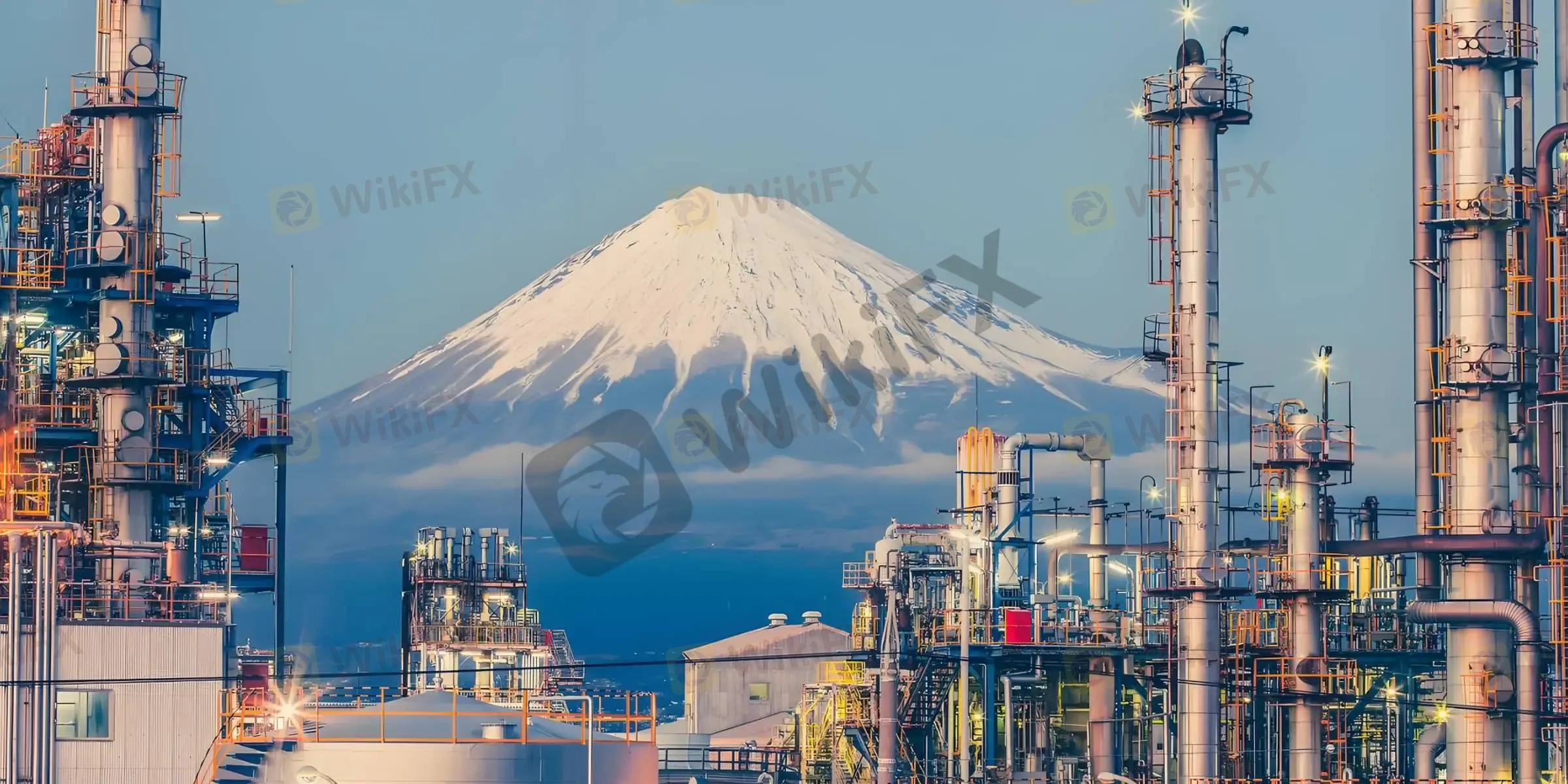
Following the sudden escalation of tensions in the Middle East, the factor truly affecting production rhythms for many Japanese manufacturers is not fuel, but naphtha—a fundamental petrochemical feedstock. Derived from crude oil cracking, naphtha serves as a key starting point for plastics, synthetic materials, and a wide range of chemical products. Once its supply becomes unstable, the impact can quickly spread from the chemical sector to a much broader manufacturing landscape.
Several major Japanese petrochemical companies have recently announced partial production cuts, primarily due to concerns that Middle East tensions may disrupt naphtha transportation. For these firms, stable access to naphtha is the first step in producing ethylene, plastics, and other chemical products. If supply chains become uncertain, reducing operating rates in advance becomes a more prudent strategy. Within just two weeks, half of Japans 12 ethylene plants have already taken steps to cut output, highlighting rapidly rising caution across the industry.
From a supply structure perspective, Japan has almost no domestic naphtha resources. Around 60% of its demand relies on imports, and more than 70% of those imports come from the Middle East. The Japanese petrochemical industry is therefore deeply tied to shipping routes from the Persian Gulf. If transport through the Strait of Hormuz is disrupted, the impact cannot easily be offset through alternative channels in the short term. Since the conflict began, shipping risks have quickly been reflected in prices, with naphtha quotations rising by roughly two-thirds in a short period, further reinforcing expectations of tightening supply.
At present, the Japan Petrochemical Industry Association believes that based on current inventory levels, there is no immediate risk of supply disruption. However, the association continues to assess risks internally while exploring alternative supply sources outside the Persian Gulf. The challenge is that such adjustments are not easy to implement. Naphtha transportation depends on stable shipping routes and long-term contracts, and switching sources at short notice often involves higher costs and more complex logistics.
Storage capacity is another practical constraint. Japan has long focused on stockpiling crude oil rather than naphtha itself. Data shows that Japans strategic crude reserves can support demand for hundreds of days, whereas naphtha inventories are much smaller, typically covering only a few weeks. Even in emergency situations, drawing on reserves does not guarantee priority allocation to the petrochemical sector, as part of the supply may be redirected toward gasoline production. For downstream companies, this uncertainty means naphtha supply stability is far less secure than that of crude oil.
If supply tightness persists, the impact will quickly extend beyond the petrochemical sector. Plastics are among the most fundamental materials in modern manufacturing, used across industries ranging from food packaging to electronics and automotive components. Some companies have already begun adjusting prices—for example, producers of electronic materials have announced increases in PVC prices due to rising ethylene costs. If this trend continues, cost pressures are likely to gradually pass through to both consumer goods and industrial products.
From an FXTRADING perspective, this risk highlights that the impact of energy shocks goes far beyond crude oil prices alone. Overlooked intermediate inputs within the supply chain, such as naphtha, also deserve close attention. Once bottlenecks emerge in these key materials, disruptions tend to cascade through manufacturing layers, ultimately affecting corporate earnings and industrial output. Given the heavy reliance of Asian economies such as Japan and South Korea on Middle Eastern petrochemical feedstocks, global supply chain stability may face renewed challenges in the period ahead.
Disclaimer:
The views in this article only represent the author's personal views, and do not constitute investment advice on this platform. This platform does not guarantee the accuracy, completeness and timeliness of the information in the article, and will not be liable for any loss caused by the use of or reliance on the information in the article.
WikiFX Broker
Latest News
Is TRADE.COM Legit or a Scam? A Detailed Review
 WikiFX
Wholesale prices rose 0.7% in February, much more than expected and up 3.4% annually
WikiFXKapitalRS Exposure: Traders Report Withdrawal Issues & Trade Manipulation
WikiFXOil Prices Climb as Geopolitical Tensions Spotlight Strait of Hormuz Risks
WikiFXCapex Review: The High-Stakes Gaslighting of Retail Traders
WikiFXGold and Silver Pumping Again?
WikiFXPepperstone User Reputation: Looking at Real User Feedback and Common Complaints to Check Trust
WikiFXMazi Finance Review: Warning Signs and Customer Problems Revealed
WikiFXMalaysia’s Biggest Money Game Disasters: How Three Scams Wiped Out Billions of Ringgit
WikiFXIs MT.COOK a Safe Bet for Your Forex Trading? A Deep Dive into MT.COOK Review and Regulation
WikiFXCurrency Calculator
USD

CNY
Current Rate:0
Amount
USD
Available
CNY
Calculate 