

Global Broker Regulation Inquiry App
About WikiFX
English
简体中文
繁體中文
English
Pусский
日本語
ภาษาไทย
Tiếng Việt
Bahasa Indonesia
Español
हिन्दी
Filippiiniläinen
Français
Deutsch
Português
Türkçe
한국어
العربية
اردو
eToro Review: The $170,000 Trap Hidden in Fine Print
Abstract:Urgent warning for mobile traders: Our investigation confirms complaints of eToro forcibly moving client accounts from top-tier jurisdictions to offshore zones, stripping vital legal protections. With 47 recent complaints and active regulatory lawsuits regarding high-risk client acquisition, immediate caution is advised.
By WikiFX Special Investigator
Our investigation into the eToro broker platform begins with a devastating financial collapse reported by a user in Morocco. This isn't just a story about bad luck in the market; it is a warning about systemic risks embedded in the terms of service.
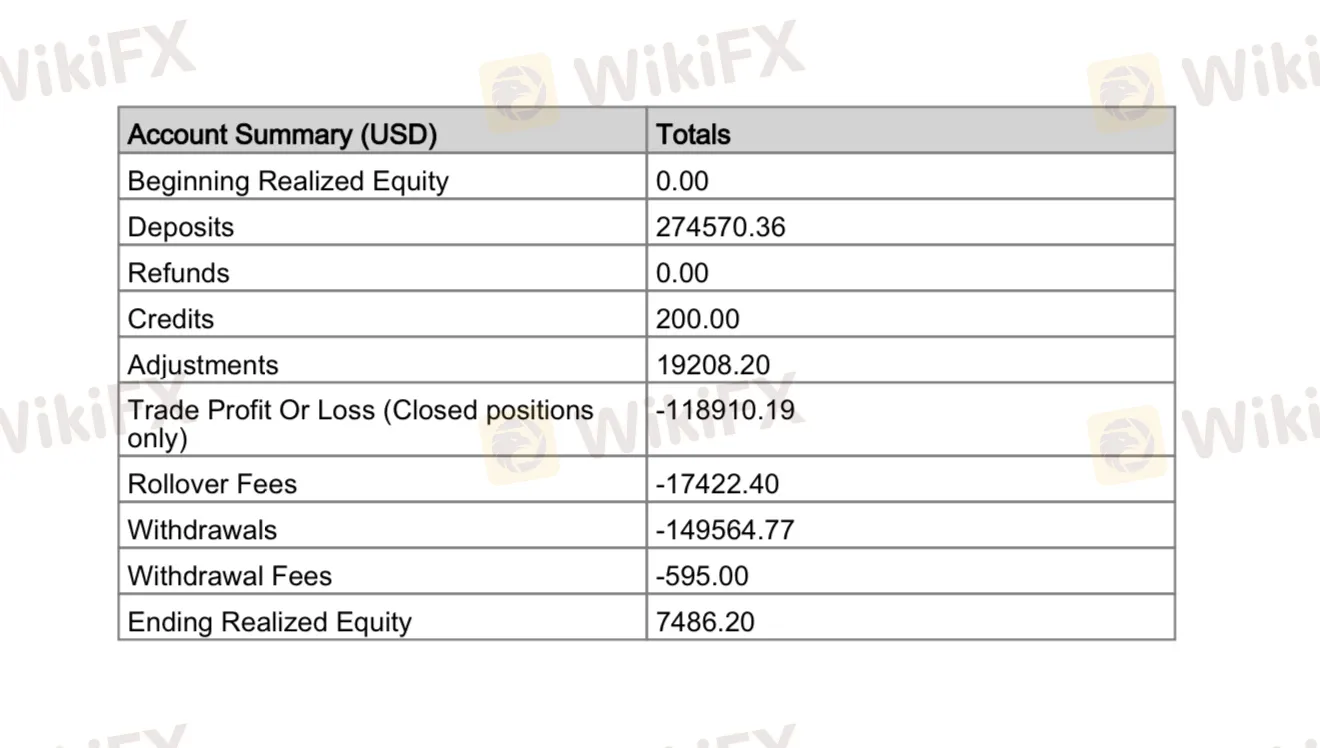
The trader reported a total loss of $170,000. The primary cause? A forced regulatory migration. The user alleges that eToro moved their account from the protection of Australias ASIC regulation to a Seychelles-based offshore entity. This shift stripped away strict legal protections without the user fully grasping the consequences. When technical failures struck, the user was left exposed.
This eToro review digs into the disconnect between the company's “social trading” marketing and the harsh reality faced by retail clients.
eToro Regulation Status: Protection or Illusion?
While eToro boasts a global presence and multiple licenses, a closer look at the regulatory data reveals dangerous cracks. Holding a license is not enough; a broker must adhere to the laws designed to protect you.
Our audit of the regulatory records exposes severe issues. The Australian Securities and Investments Commission (ASIC) has previously launched legal proceedings against eToro. The regulator alleged that eToro's “screening tests” were insufficient, allowing inexperienced traders to access high-risk products they did not understand. 77% of retail accounts lose money here.
Furthermore, data from the Philippines Securities and Exchange Commission (SEC) indicates that eToro is operating without the necessary license in that region, warning the public against investing.
The Regulatory Reality Audit
| Regulator | License Type | REAL STATUS |
|---|---|---|
| UK FCA | Licensed | Regulated |
| Australia ASIC | Licensed | Sued by Regulator / High Risk Disclosure |
| Seychelles FSA | Offshore | High Risk (Low Protection) |
| Philippines SEC | None | Unauthorized / Official Warning Issued |
| Spain CNMV | Warning | Clone Firm Warnings Issued |
This table confirms the danger. While the eToro regulation framework looks robust on paper, the operational reality involves lawsuits and warnings in key markets. The practice of shifting clients to the Seychelles (FSA) jurisdiction allows the Forex broker to operate with higher leverage and lower accountability.
eToro Broker Failures: Withdrawal Blocks and Platform Freezes
The complaints flooding into our center paint a picture of a system that fails when traders need it most. It is not just about losing trades; it is about losing access to your own money.
The “Login” and Access Crisis
Traders in Thailand have reported that the platform freezes at critical moments. These technical glitches act as a de facto eToro login blockade, preventing users from closing positions during market volatility. When the platform hangs, your capital evaporates.
One user from Thailand (Case 3) stated: “The platform freezes... Withdrawal money does not enter. Contact support, they are silent.”
Withdrawal Nightmares
Accessing your funds should be instant. For many eToro clients, it is a battle. A user from Indonesia (Case 4) simply pled, “Please return my money,” after being unable to withdraw. Another Thai user (Case 2) reported that their status was closed without notice for “security reasons,” a common excuse used to freeze funds indefinitely.
Visual Evidence from Victims
Our investigation collected direct evidence from the last three months regarding these anomalies:
> Case 1: The Regulatory Trap
> A user lost $170k after being moved to offshore regulation.
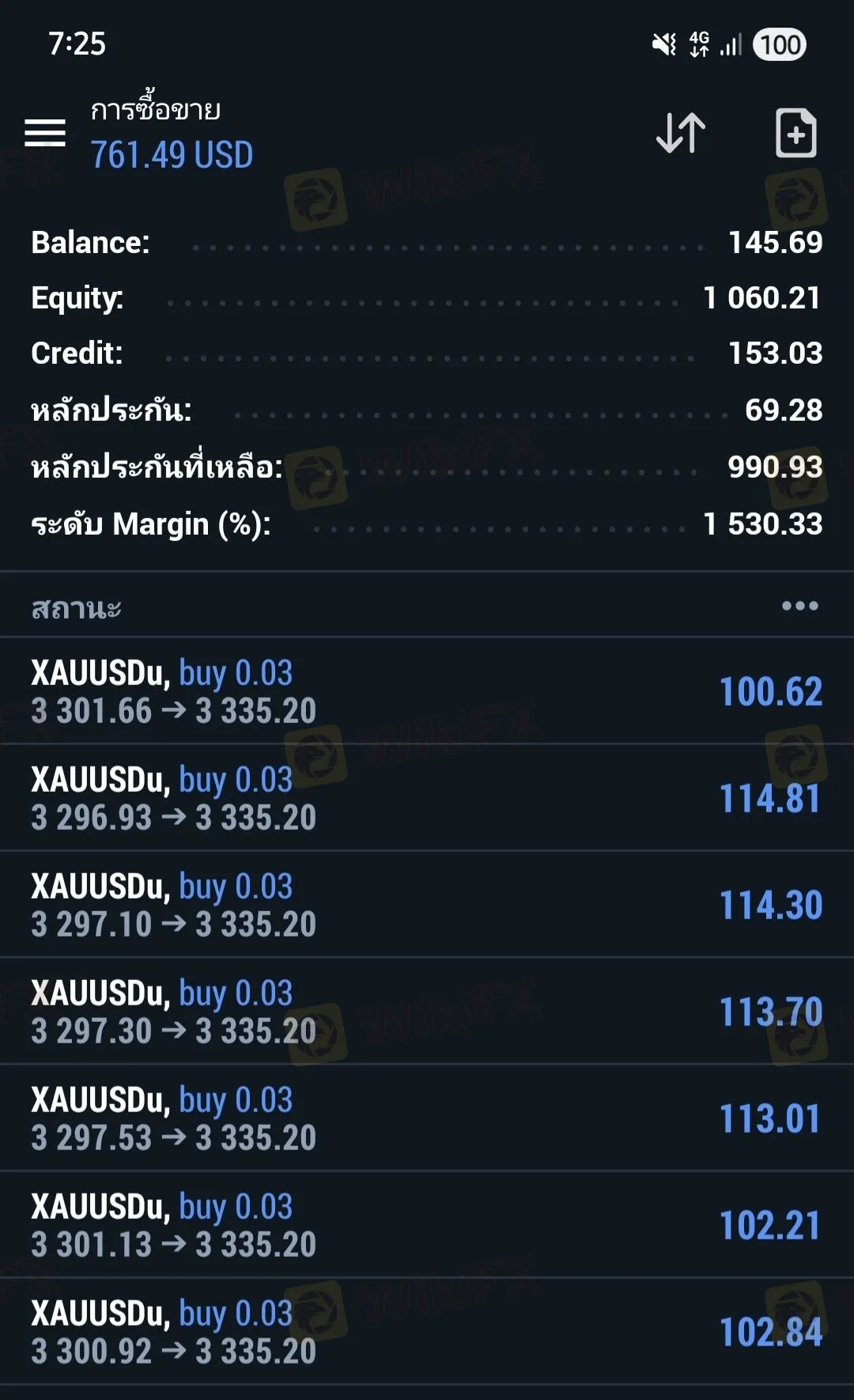
> Case 2: Account Closures
> “Closed status without notice... Support can't help.”
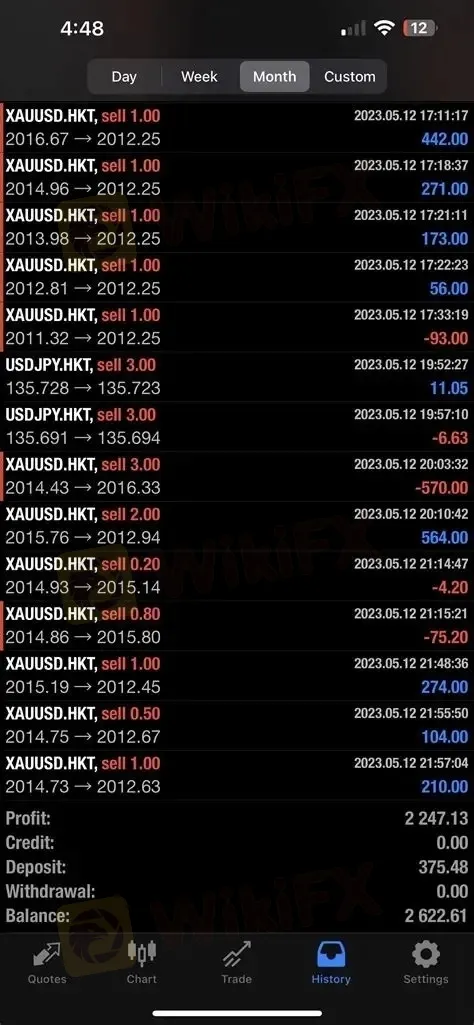
> Case 3: Withdrawal Silence
> “Scam seen... Platform hangs.”
Verdict: Is eToro Safe?
Based on the evidence, we cannot recommend eToro for traders who value the safety of their capital over “gamified” social features. The combination of forced regulatory migration and active lawsuits by major regulators is a massive red flag.
Key Red Flags
- Regulatory Arbitrage: Moving clients from ASIC (High Protection) to Seychelles (Low Protection).
- ASIC Legal Action: Sued for failing to filter out unsuitable clients for high-risk CFD products.
- Withdrawal Barriers: Multiple recent reports of silent support and frozen payments in Asia.
- Unauthorized Operations: Flagged by the Philippines SEC for operating without a license.
The eToro broker model profits when you lose. If you are currently trading here, check your account settings immediately to see which regulation protects you. If it says “Seychelles,” you are swimming with sharks.
Disclaimer:
The views in this article only represent the author's personal views, and do not constitute investment advice on this platform. This platform does not guarantee the accuracy, completeness and timeliness of the information in the article, and will not be liable for any loss caused by the use of or reliance on the information in the article.
WikiFX Broker
Latest News
trading.com Review 2026: Regulation, MT5 Access, and Complaint Signals
 WikiFX
Behind The Screenshots: The Forex Success You See Online May Not Be Real
WikiFXThe NFP Gap Slippage: Why Your 1.1000 Stop Executed at 1.0950
WikiFXFBS Review 2026: Complaints, Withdrawals, and Risk Signals
WikiFXDollar Gains While Yen Finds Support
WikiFXDollar Advances on Middle East Conflict
WikiFXThe 3-Bullet Rule: How a Paper Card Stops Overtrading
WikiFXVALUTRADES Review 2026: Slippage Complaints, Regulation, and Safety Risks
WikiFXQuotex Review 2026: Official Warnings, Blocked Accounts, and High Risk
WikiFXAxim Trade Review: Withdrawal Alarms, Weak Regulation, and a Broker Risk Traders Cannot Ignore
WikiFX