


Global Broker Regulation Inquiry App
About WikiFX
English
简体中文
繁體中文
English
Pусский
日本語
ภาษาไทย
Tiếng Việt
Bahasa Indonesia
Español
हिन्दी
Filippiiniläinen
Français
Deutsch
Português
Türkçe
한국어
العربية
اردو
The MBI Pyramid Scheme: Its Unfinished Aftermath, Eight Years On
Abstract:Eight years after the collapse of the MBI pyramid scheme, newly disclosed asset seizures reveal the vast scale of the fraud.

Eight years after the MBI investment scheme collapsed, Malaysian authorities are only now lifting the veil on the true scale of one of the region‘s most damaging financial frauds. In a special session of Parliament on 22 January, the government disclosed that assets worth billions of ringgit linked to the scheme had been seized or frozen, while confirming active cooperation with Chinese authorities to build cases against those responsible, including the scheme’s founder, Tedy Teow Wooi Huat.
For millions of victims, the announcement was long overdue. Since 2019, investors have been pressing for decisive action, warning that delays would erode any chance of meaningful recovery. While Malaysian victims remained largely silent, Chinese investors travelled to Malaysia to stage peaceful protests, demanding accountability and restitution. Their calls went unanswered for years, until a large-scale police operation last year led to the arrest of 23 individuals, including several high-profile figures with titles of Tan Sri, Datuk Seri and Datuk.
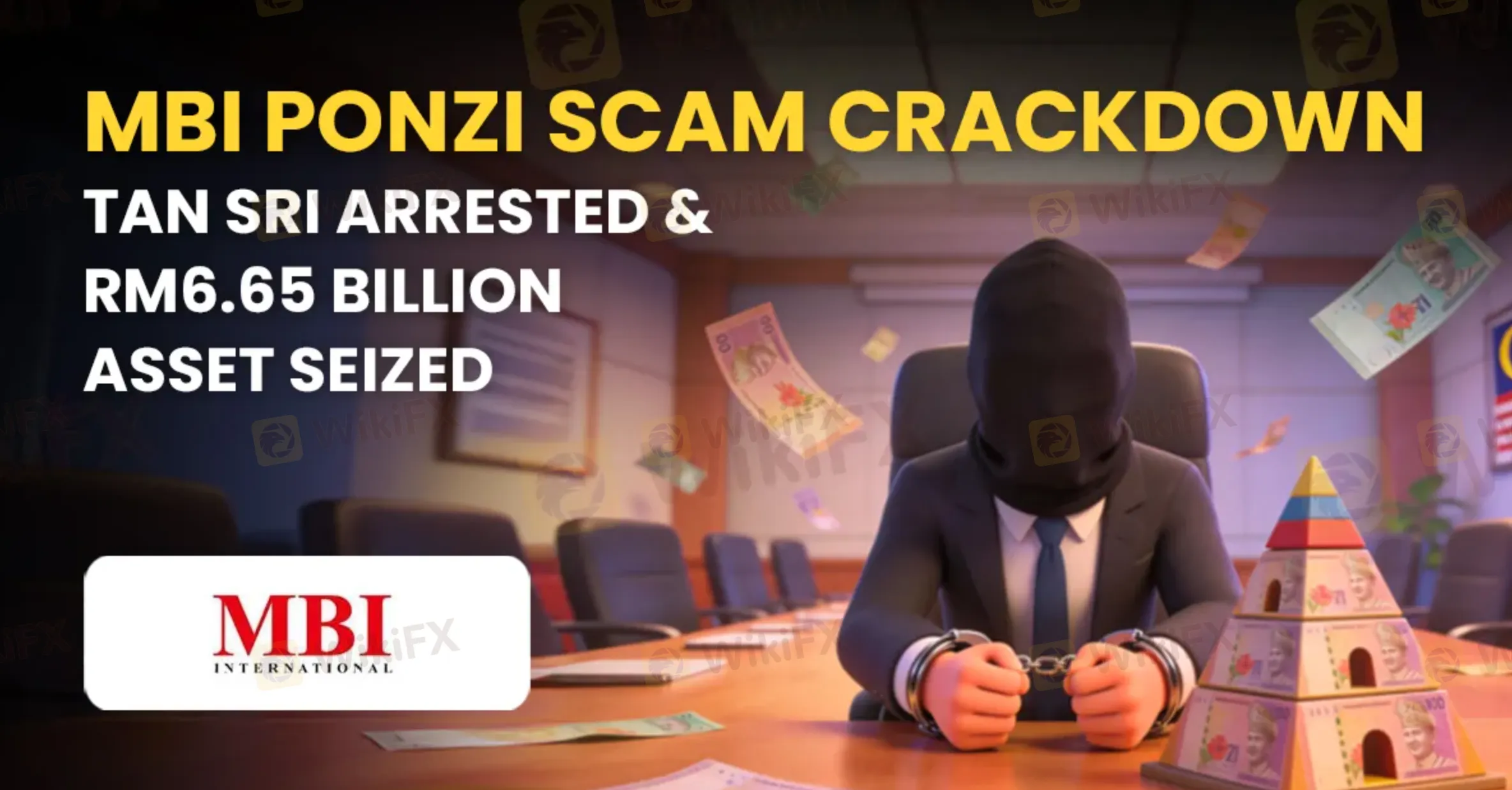
Read the previously reported news here:
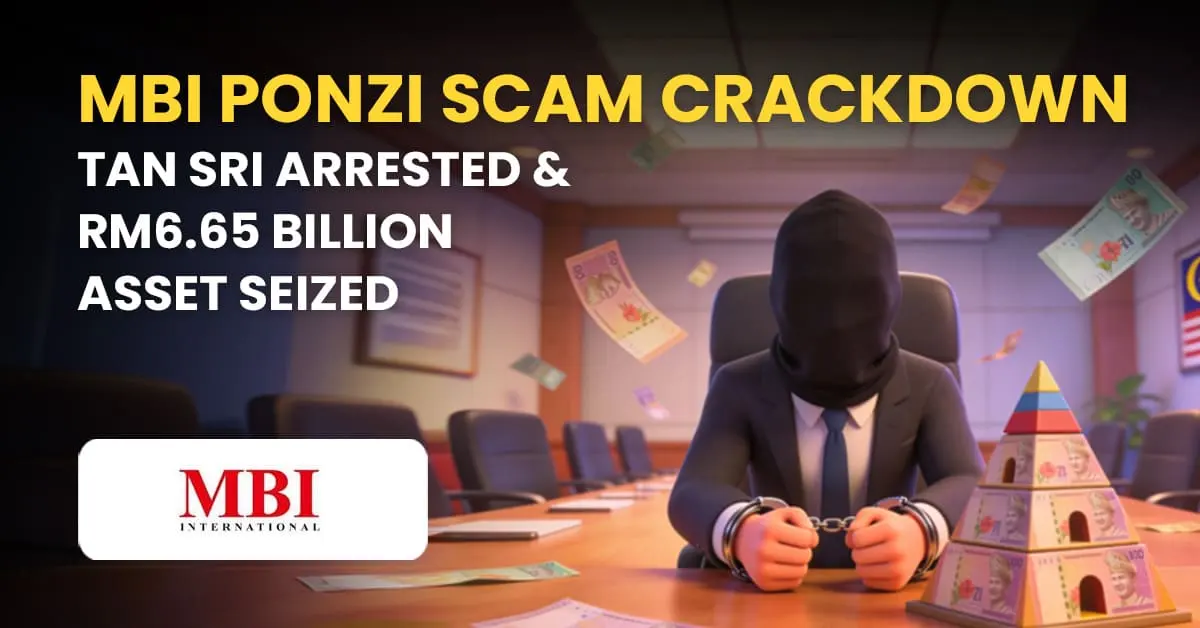
According to the Finance Ministry, authorities have identified RM7.85 billion in cash and assets connected to MBI. This includes RM6.65 billion already frozen or forfeited and a further RM1.25 billion in properties linked to Teows family. The figures sound substantial, but when set against the estimated 11 million victims across multiple countries, the reality is sobering. Even a full recovery and equal distribution would leave each investor with less than RM750.
That amount bears little resemblance to what many put in. Investors were drawn by promises of extraordinary returns, committing sums far above the minimum entry levels of US$100 in China and US$1,000 in Penang. MBIs structure, a maze of overlapping pyramid schemes, allowed funds to be moved rapidly through multiple accounts. After nearly a decade, tracing those flows has become a race against time, with every delay reducing the likelihood of recovery.
The MBI case is not an isolated failure. It mirrors earlier scandals that emerged during periods of rising asset prices. In 2012, as gold prices surged, Genneva Malaysia collapsed under the weight of an unsustainable gold investment scheme. The company attracted thousands by offering monthly returns of up to 3%, funded not by trading profits but by new investor money.
Bank Negara Malaysia later found that Genneva‘s liabilities exceeded its assets by more than ten times. When authorities intervened, nearly RM100 million in cash was frozen, and 126 kilograms of gold were seized. At today’s prices, the gold alone would be worth more than RM85 million, yet still nowhere near enough to meet outstanding obligations, including undelivered gold and unpaid redemptions.
A recent High Court ruling ordering Genneva and three former directors to pay damages to investors has rekindled hope. But enforcement remains uncertain. More than a decade after the collapse, the directors face prison terms, the company is insolvent, and much of the money has likely vanished.

Disclaimer:
The views in this article only represent the author's personal views, and do not constitute investment advice on this platform. This platform does not guarantee the accuracy, completeness and timeliness of the information in the article, and will not be liable for any loss caused by the use of or reliance on the information in the article.
WikiFX Broker
Latest News
RoboMarkets Review: Regulation Questions Around a Broker Facing Fresh Trading Complaints
 WikiFX
Review 2026: Deriv Regulation, Complaints, and Withdrawal Risk Signals
WikiFXDSI Exposes Alleged Forex Empire Behind Billion Baht Scam, Money Laundering and Political Connection
WikiFXIUX Review:Before Investing a Single Penny, Read These Jaw-Dropping Deposit & Withdrawal Experiences
WikiFXStop Trading in the Middle of Ranging Forex Markets
WikiFXFXTF Review 2026: Regulation, Withdrawals, and Scam Allegations
WikiFXIG Review 2026: Is This Forex Broker Safe?
WikiFXsquaredfinancial Review 2026: Is This Forex Broker Safe?
WikiFXFXTF Review 2026: Japan FSA Regulation, Platform Access, and Exposure Cases
WikiFXReview 2026: FBS Regulation, Complaints, and Withdrawal Risk Signals
WikiFXCurrency Calculator
USD

CNY
Current Rate:0
Enter amount
USD
Redeemable Amount
CNY
Calculate 