Abstract:A tragic ferry accident in the southern Philippines has claimed at least 15 lives, underscoring long-standing safety concerns in the nation’s inter-island transport system. The passenger vessel MV Trisha Kerstin 3 sank early Monday while en route from Zamboanga to Jolo island in the Sulu province. Philippine authorities reported that 316 people were rescued in ongoing search and rescue operations, but 28 remain missing.
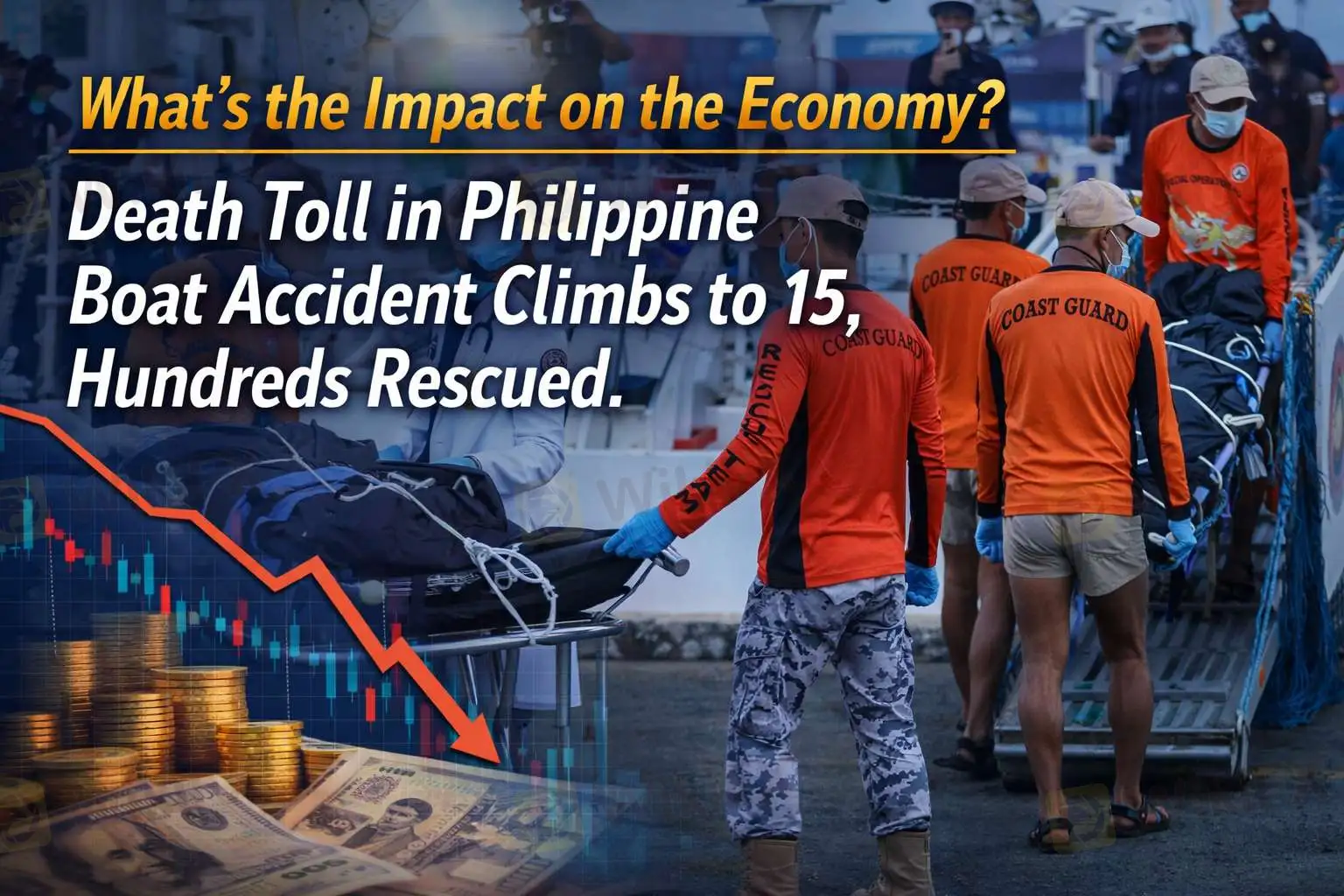
A tragic ferry accident in the southern Philippines has claimed at least 15 lives, underscoring long-standing safety concerns in the nations inter-island transport system. The passenger vessel MV Trisha Kerstin 3 sank early Monday while en route from Zamboanga to Jolo island in the Sulu province. Philippine authorities reported that 316 people were rescued in ongoing search and rescue operations, but 28 remain missing.
The Philippine Coast Guard said the ferry was carrying 332 passengers and 27 crew members when it sank around 1:50 a.m. local time. Rescue efforts have been bolstered by military aircraft and vessels, while local officials continue to care for survivors — some requiring medical attention.
Ferry accidents are unfortunately common in the Philippines, a country of more than 7,000 islands that depends heavily on sea transport for both everyday travel and commerce. This geography, combined with inconsistent enforcement of maritime safety standards and aging vessels, contributes to recurring maritime disasters.
 Contents
Human Cost and Immediate Aftermath
As of Monday, officials confirmed 15 deaths related to the accident, with dozens more still missing. Survivors were brought ashore and cared for by emergency teams at ports including Isabela in Basilan province. The investigation into the cause of the sinking is ongoing, and authorities are reviewing the passenger manifest to ensure all accounts are accurate.
The disaster has prompted expressions of sorrow and calls for stronger safety enforcement. Local government officials and national leaders alike have pledged support for families of the victims and improvements in maritime oversight.
Economic Effects of the Ferry Disaster
While the immediate focus remains on rescue and recovery, the accident also has broader economic implications for the Philippines:
1. Disruption to Local Transportation Networks
Maritime transport is a backbone of mobility in the archipelago, moving people, goods, and services between islands. Ferry routes like the one between Zamboanga and Jolo are vital for daily commuting, business travel, and supply chains. A major accident can lead to temporary suspensions of services, increased scrutiny of operators, and reduced confidence among passengers, which in turn slows economic activity in connected regions.
2. Tourism Confidence and Business Sentiment
Although the affected route is primarily used by local residents, reports of ferry disasters can affect tourism perception, especially in regional destinations. Foreign visitors may reconsider travel plans in areas perceived as unsafe, leading to lost visitor spending, which is critical for local hospitality, retail, and transport sectors.
3. Increased Costs for Maritime Regulation
Government responses typically include calls for tighter safety standards, vessel inspections, and infrastructure upgrades. While such measures are essential for public safety, they also mean higher compliance costs for ferry operators and potentially increased government spending on regulation and enforcement.
4. Impact on Workforce and Families
The human toll goes beyond lives lost — many individuals involved in maritime industries, local commerce, and adjacent economic activities may now face lost income, medical costs, and emotional trauma. Families who lose a breadwinner may reduce spending, thereby affecting local consumer demand.
5. Insurance and Shipping Markets
Following high-casualty accidents, local insurers and shipping companies may reassess risk profiles, leading to higher premiums for vessel operators. In turn, increased insurance costs can be passed on to passengers and businesses that rely on ferry services.
Looking Ahead
Maritime safety remains a strategic priority for the Philippines, but history shows that improving standards across thousands of miles of coastal waters can be a long and complex process. Tragic events like the sinking of the MV Trisha Kerstin 3 not only cost lives but also highlight systemic challenges that have broader social and economic consequences.
Government authorities have reaffirmed their commitment to the ongoing investigation and support for victims families. For many communities in the south, the focus now is on healing and rebuilding trust in essential transport systems.