

Global Broker Regulation Inquiry App
About WikiFX
English
简体中文
繁體中文
English
Pусский
日本語
ภาษาไทย
Tiếng Việt
Bahasa Indonesia
Español
हिन्दी
Filippiiniläinen
Français
Deutsch
Português
Türkçe
한국어
العربية
اردو


JGB Meltdown: Yields Spike as Markets Reject 'Takaichi Economics'

WikiFX
|


Abstract:Japanese government bonds experienced their worst sell-off in years, pushing yields to record highs as markets lose confidence in Prime Minister Takaichi's aggressive fiscal expansion plans.
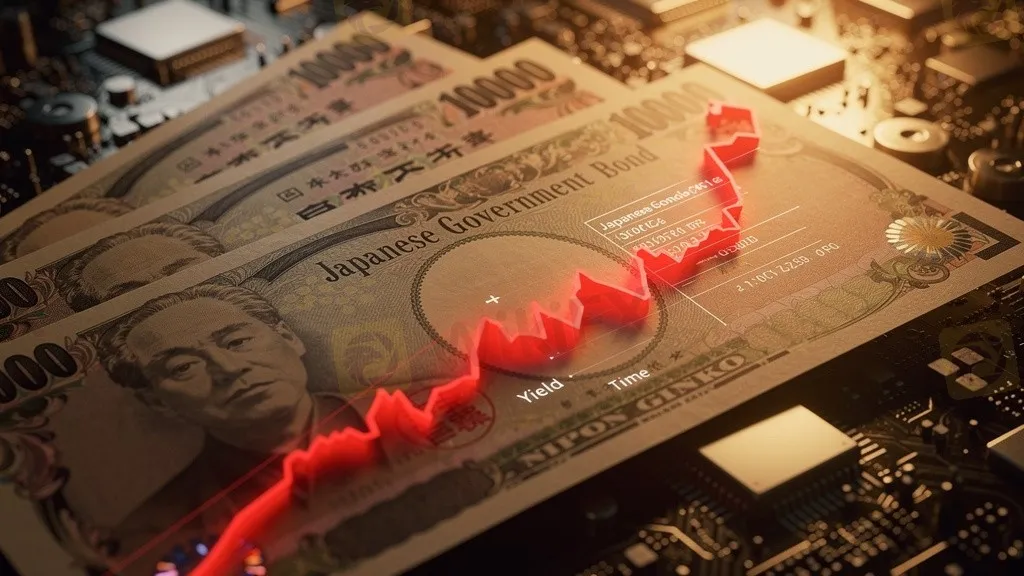
TOKYO – The calmness of the Japanese fixed-income market was shattered on Tuesday as a violent sell-off in Japanese Government Bonds (JGBs) sent yields to multi-year highs. The move signals a growing revolt by bond vigilantes against the fiscal roadmap of Prime Minister Sanae Takaichi.
- 10-year JGB yield jumped 8 basis points to 2.35%
- 30-year yield surged 26.5 basis points to 3.875%
- USD/JPY trading volatile around 157.65
- Fiscal target: $330 billion in AI investment
The Bond Vigilantes Awaken
The 10-yearJGB yield jumped 8 basis points to 2.35%, a level unseen since 1999, while the 30-year yield surged 26.5 basis points to 3.875%. The carnage was triggered by a lackluster 20-year auction which met weak demand, acting as the spark for a market already nervous about fiscal discipline.
Prime Minister Takaichi has explicitly signaled an end to “excessive austerity,” proposing tax cuts (including a two-year suspension of food consumption tax) and massive spending on AI and risk management. While aimed at stimulating growth, investors interpret this as a recipe for ballooning debt in a nation already shouldering the world's heaviest public debt burden.
Yen Volatility
The bond market rout caused a mixed reaction in the currency. While higher yields typically support the currency, the USD/JPY pair remains volatile around 157.65. The currency is caught in a tug-of-war: supported by the narrowing yield gap with the US, but weighed down by fears that Japan's fiscal health is deteriorating.
Adding to the complexity, Finance Minister Katayama stated at Davos that Japan is targeting $330 billion in AI and chip investment, attempting to assure investors that spending targets “growth sectors” rather than wasteful stimulus. However, the market's verdict—delivered via the bond rout—suggests deep skepticism remains.
Disclaimer:
The views in this article only represent the author's personal views, and do not constitute investment advice on this platform. This platform does not guarantee the accuracy, completeness and timeliness of the information in the article, and will not be liable for any loss caused by the use of or reliance on the information in the article.
WikiFX Broker
Latest News
ForexMart Review: Profit Canceled, Principal Withheld, and a Broker Warning Traders Cannot Ignore
WikiFXHow a 'Legitimate' Investment Became a RM67.5 Million Ponzi Scheme That Scammed 206 Investors
WikiFXTitan Capital Markets Review 2026: Complaints, Withdrawals, and Severe Risk Signals
WikiFXRupee Hits Two-Week High as RBI Defends 97 Mark
WikiFXSingapore Dollar Holds Tight Range as FOMC Looms
WikiFXcTrader White Label Platform: A Practical Guide for Broker Evaluation and Multi-Asset Expansion in 2
WikiFXWhat a divided Fed means for investors
WikiFXReview 2026: Dollars Markets Regulation, Withdrawal Complaints, and Platform Risks
WikiFXCapital Guard Liquidated: $17.4m Raised, Most Funds Gone
WikiFXPocket Broker Review: Is Your Deposit Safe?
WikiFX