Abstract:CySEC’s new quiz helps EU investors spot online scams and deceptive ads. Take part in World Investor Week 2025—boost your fraud detection skills and check CySEC’s register before investing.
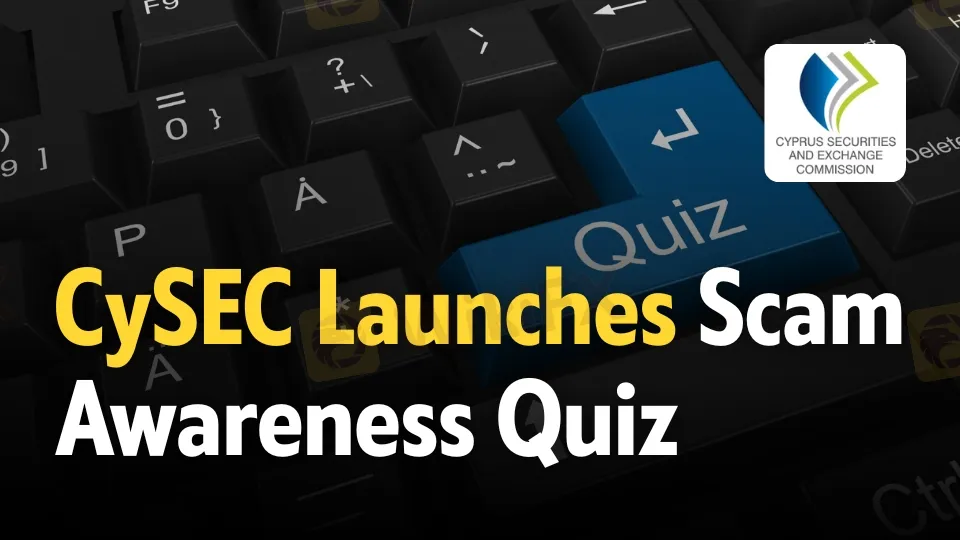
CySEC Rolls Out Online Fraud Awareness Quiz Amid Rising Scam Threats
As online investment scams and deceptive social media promotions surge globally, the Cyprus Securities and Exchange Commission (CySEC) has introduced a new interactive quiz—enabling retail investors to self-assess their ability to spot fraudulent offers before falling victim. The initiative arrives just weeks before World Investor Week 2025 (6–12 October), which spotlights technology-driven frauds like pig butchering crypto scams and fake clone brands impersonating CySEC-licensed firms.
The CySEC online fraud quiz tests essential knowledge: Can you separate legitimate investment platforms from clone brands and non-approved domains? Would you recognize too-good-to-be-true ads for forex, CFDs, or crypto before wiring money? The questionnaire draws from real-life scenarios—such as unsolicited WhatsApp investment pitches or celebrity-endorsed “guaranteed returns” ads—and provides instant feedback, with explanations of correct answers and further guidance from CySECs financial literacy library.
CySEC Chair Dr. George Theocharides emphasized the importance of proactive financial education: “With this new quiz, CySEC provides a practical and accessible tool for investors to assess their knowledge while becoming familiar with the warning signs and risks of online scams. Regulators have a responsibility to foster a culture of security awareness and ensure investors benefit from—and are protected within—the digital economy”. The quiz will be shared across universities, domestic institutions, and with EU peer regulators, including the European Securities and Markets Authority (ESMA).
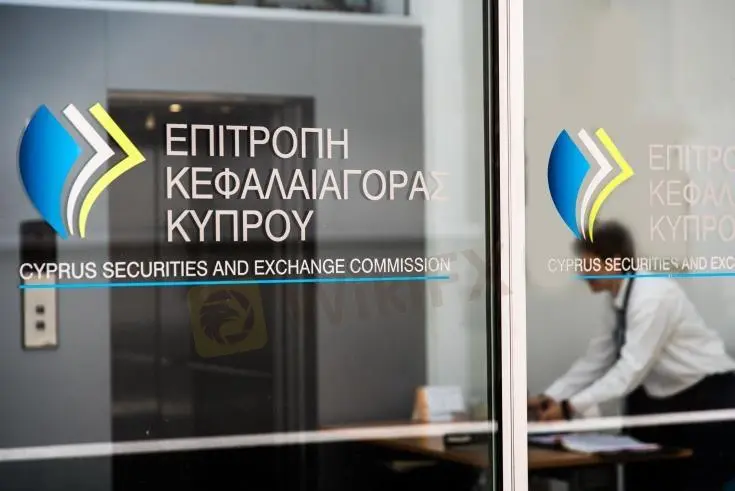
Regulatory Crackdown on Deceptive Digital Promotions
The move comes as CySEC has stepped up warnings about unlicensed platforms, Telegram channels, and clone brands falsely claiming Cypriot regulation. The regulator maintains a public “non-approved domains” register to help investors steer clear of risky offshore operators. This aligns with broader ESMA efforts—including its May 2025 call for social media platforms (X, Meta, TikTok, Telegram, Google, Apple, and more) to block unauthorised financial promotions before they reach users.
CySEC‘s work also fits into IOSCO’s global World Investor Week 2025 focus on scam prevention, highlighting red flags such as “urgent” offers, unsolicited messages, requests for overseas transfers, and suspicious investment professionals not listed in the regulators register. The week will feature educational sessions, including a CFTC-hosted event on romance scams and crypto theft, which connects to the “pig butchering” scams that use social engineering to pilfer assets.
Key Action Points for EU Investors
CySECs guidance for investors is clear-cut:
- Check the regulators register before opening accounts or transferring funds.
- Never respond to unsolicited social media, email, or private app investment offers.
- Ignore high-return, low-risk promises for crypto, forex, or CFDs—these are classic scam tactics.
- Use the CySEC online fraud quiz as a self-assessment and educational refresher, especially amid World Investor Week 2025 activities.
- Stay vigilant for non-approved platforms, rogue Telegram channels, and clone brands misusing CySECs name.
- Support digital pre-approval regimes that require social media platforms to vet financial promotions before they go live.
CySECs accompanying awareness campaign includes media outreach, investor guides, and direct engagement with universities—aiming to equip a new generation with practical fraud detection skills. The regulator urges all users to take the quiz, report suspicious ads, and remain skeptical of digital “opportunities” that avoid official channels or pressure hasty decisions.
As European financial authorities tighten rules on digital platforms and step up international cooperation, CySECs investor protection toolbox—centered on education, transparency, and real-time alerts—shows how regulators are adapting to the risks of the digital age.