Abstract:Forex signal helps traders identify potential profitable entry and exit points in the markets. For inexperienced traders, using signals can help traders understand the forex knowledge, build confidence, and improve decision-making.
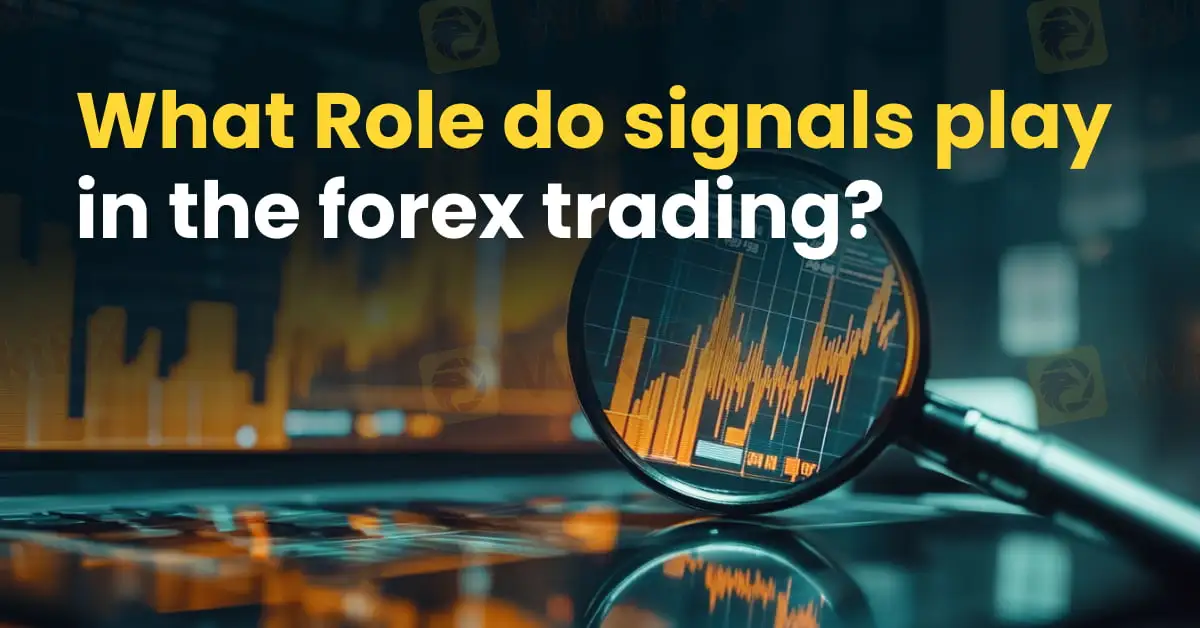
Forex signal helps traders identify potential profitable entry and exit points in the markets. For inexperienced traders, using signals can help traders understand the forex knowledge, build confidence, and improve decision-making.
What Are Forex Signals?
- Definition: A forex signal often includes a currency pair, direction (buy/sell), entry price, stop-loss, and take-profit levels.
- Sources:
- Human Analysts: Experienced traders or research teams who manually analyze charts and fundamentals.
- Automated Systems: Algorithmic tools and Expert Advisors (EAs) that scan markets using technical indicators.
- Social/Copy Trading Platforms: Community-driven signals you can follow or automatically copy.
Types of Forex Signals
Normally, there are three types of forex signals; They are Technical Signals, Fundamental Signals, and Hybrid Signals.
How Forex Signals Work
- Signal Generation: Analyst or system identifies a trading opportunity.
- Signal Distribution: Alerts are sent via email, SMS, mobile apps, or trading platforms.
- Execution: Traders manually place orders based on the signal parameters or use one-click execution tools.
- Monitoring and Management: Traders adjust stop-loss or take-profit levels as markets evolve.
Benefits of Using Forex Signals
- Time-Saving: Outsource market analysis to experts or automated tools.
- Learning Tool: Observe the reasoning behind signals to improve your own trading skills.
- Discipline: Rely on objective criteria, reducing emotional trading decisions.
- Diversification: Access trade ideas on multiple currency pairs or timeframes.
Risks and Precautions
- Signal Quality: Not all providers are reliable—look for verified performance records and transparent track records.
- Over-Reliance: Signals should complement, not replace, your own analysis and risk management.
- Cost vs. Value: Some high-quality signal services charge fees—ensure potential returns justify the cost.
- Latency: Delays in receiving or executing signals can lead to slippage and missed opportunities.
How to Choose a Forex Signal Provider
- Track Record: Check audited performance over several months.
- Trial Period: Opt for free trials or demo signals before committing.
- Communication: Timely, clear alerts with full trade details.
- Customer Support: Responsive service to answer questions or resolve issues.
- Community Feedback: Read reviews and forums for real-user experiences.
Q&A Section
Are forex signals suitable for complete beginners?
Yes, signals can help beginners enter the market with clearer guidance, but novices should still learn basic chart-reading and risk management.
How much should I risk on a signal-based trade?
Many traders risk 1–2% of their account per trade. Always follow the stop-loss levels provided by the signal and adjust position size accordingly.
By understanding how forex signals work and selecting reliable providers, inexperienced traders can gain valuable market insights, hone their skills, and make more disciplined trading decisions. Always practice on a demo account first, maintain proper risk management, and continue learning to build your confidence in the dynamic world of forex trading.