


Broker Globale Piattaforma di Verifica Regolamentare
WikiFX
Italiano
简体中文
繁體中文
English
Pусский
日本語
ภาษาไทย
Tiếng Việt
Bahasa Indonesia
Español
हिन्दी
Filippiiniläinen
Français
Deutsch
Português
Türkçe
한국어
العربية
اردو
FXTRADE Economic Data Summary (Asia Pacific 06/25) Global Economic Dynamics and Monetary Policy Outl
Sommario:Bank of Japan Continues to Signal Further Rate HikesBank of Japan Governor Kazuo Ueda recently reiterated that the central bank still has room for further interest rate increases as core inflation gra

Bank of Japan Continues to Signal Further Rate Hikes
Bank of Japan Governor Kazuo Ueda recently reiterated that the central bank still has room for further interest rate increases as core inflation gradually approaches the 2% target while financial conditions remain accommodative. Although the speech was delivered by a deputy governor on his behalf, the overall message remained consistent with the guidance provided at the latest policy meeting. Last week, the BoJ raised its policy rate to 1.00%, the highest level since 1995, highlighting that monetary policy normalization remains on track.
Recent remarks suggest that although international oil prices have eased alongside improving conditions in the Middle East, policymakers remain concerned that previous increases in energy costs could continue to spread across broader sectors of the economy. The latest Summary of Opinions showed that several board members support a gradual continuation of rate hikes, further reinforcing market expectations for another increase later this year. FXTRADING believes that the BoJ has entered a sustained tightening cycle. With the policy rate now at 1.00% and core inflation approaching 2%, further rate hikes remain possible this year if current economic and inflation trends persist.

Underlying Risks Remain Despite Easing Australian Inflation
Australias CPI fell 0.7% month-on-month in May, while annual inflation slowed from 4.2% to 4.0%. The moderation was largely driven by lower energy prices, with automotive fuel prices falling another 11.9% in May following a 7.0% decline in April. Lower global oil prices and fuel tax reductions both contributed to easing price pressures.
However, core inflation remained firm. The Reserve Bank of Australias preferred trimmed mean inflation measure rose 0.4% month-on-month, with the annual rate increasing from 3.4% to 3.6%, the highest level since late 2024. Meanwhile, services inflation accelerated from 3.5% to 3.7%, while housing costs rose 6.5% year-on-year, indicating that domestic cost pressures have yet to ease meaningfully. FXTRADING believes that the decline in headline inflation was primarily driven by lower energy prices, while core inflation continues to move higher. With trimmed mean inflation rising to 3.6% and services-sector price pressures remaining persistent, the RBA is unlikely to shift toward easing anytime soon, suggesting that higher interest rates may remain in place for longer.
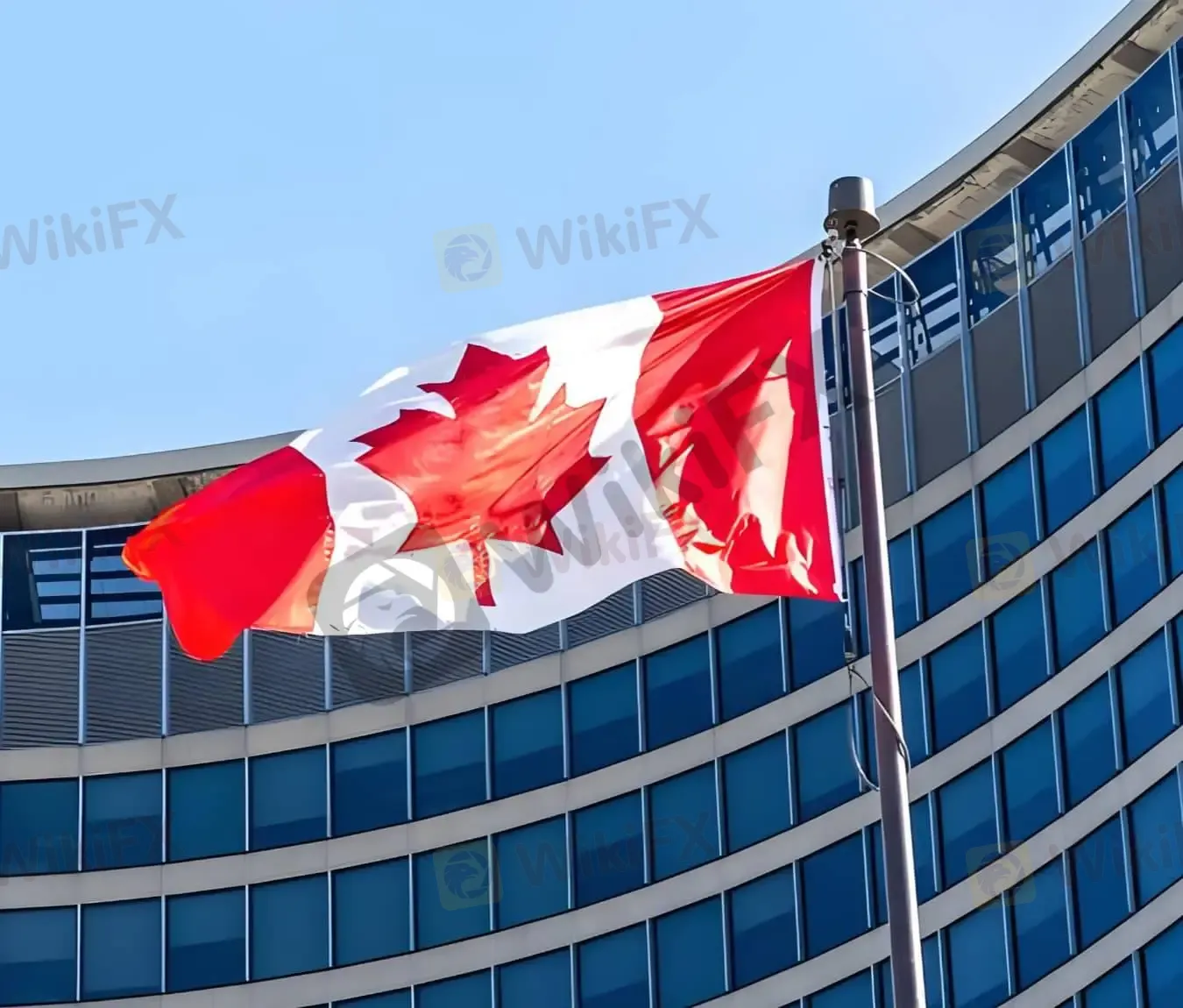
Canadian Inflation Pressures Broaden
Canadas CPI rose 3.2% year-on-year in May, exceeding both market expectations of 3.0% and the previous reading of 2.8%. On a monthly basis, CPI increased 1.0%, indicating that price pressures strengthened further. Energy prices remained the primary driver of inflation, with concerns over supply disruptions linked to Middle East tensions continuing to support oil prices.
More specifically, gasoline prices climbed 33.2% year-on-year in May, up from 28.6% in April and reaching their highest levels since 2022. However, inflationary pressures were not confined to the energy sector. Excluding gasoline, CPI growth accelerated from 2.0% to 2.2% year-on-year. Among the core measures, CPI Median remained at 2.1%, CPI Trim held steady at 2.0%, while CPI Common increased from 2.5% to 2.7%. FXTRADING believes that Canadas inflation rebound is gradually spreading beyond the energy sector. Although gasoline remains the main contributor, rising inflation excluding energy suggests that price pressures are becoming broader, which could complicate future policy decisions for the Bank of Canada.

Federal Reserve Focuses on Inflation Persistence Risks
Chicago Fed President Austan Goolsbee stated that the Federal Reserve‘s primary concern is not whether inflation fluctuates in the short term, but how long elevated inflation may persist. With inflation still running well above the Fed’s 2% target, policymakers are working to determine whether current price pressures are temporary or likely to remain elevated for an extended period.
Goolsbee specifically emphasized that services inflation is more concerning than increases in energy or goods prices. While the effects of tariffs and geopolitical tensions may gradually fade, services prices tend to be more persistent. Services inflation remains elevated, making it difficult for the Fed to gain confidence that inflation will return smoothly to its target range. FXTRADING believes that the Feds focus has shifted from the level of inflation to its persistence. If inflation remains in the 3%–4% range for an extended period, the Fed may maintain a restrictive policy stance for longer, while expectations for interest rate cuts could remain constrained.
Disclaimer:
Le opinioni di questo articolo rappresentano solo le opinioni personali dell’autore e non costituiscono consulenza in materia di investimenti per questa piattaforma. La piattaforma non garantisce l’accuratezza, la completezza e la tempestività delle informazioni relative all’articolo, né è responsabile delle perdite causate dall’uso o dall’affidamento delle informazioni relative all’articolo.
WikiFX Trader
GTCFX
Sotto supervisione
STARTRADER
Sotto supervisione
vantage
Sotto supervisione
EBC FINANCIAL GROUP
Sotto supervisione
XM
Sotto supervisione
eightcap
Sotto supervisione
GTCFX
Sotto supervisione
STARTRADER
Sotto supervisione
vantage
Sotto supervisione
EBC FINANCIAL GROUP
Sotto supervisione
XM
Sotto supervisione
eightcap
Sotto supervisione
WikiFX Trader
GTCFX
Sotto supervisione
STARTRADER
Sotto supervisione
vantage
Sotto supervisione
EBC FINANCIAL GROUP
Sotto supervisione
XM
Sotto supervisione
eightcap
Sotto supervisione
GTCFX
Sotto supervisione
STARTRADER
Sotto supervisione
vantage
Sotto supervisione
EBC FINANCIAL GROUP
Sotto supervisione
XM
Sotto supervisione
eightcap
Sotto supervisione
Rate Calc
USD

CNY
Tasso di cambio attuale:0
inserisci l'importo
USD
A disposizione
CNY
Calcolare 