


Broker Globale Piattaforma di Verifica Regolamentare
WikiFX
Italiano
简体中文
繁體中文
English
Pусский
日本語
ภาษาไทย
Tiếng Việt
Bahasa Indonesia
Español
हिन्दी
Filippiiniläinen
Français
Deutsch
Português
Türkçe
한국어
العربية
اردو
U.S.–Iran Ceasefire at Risk if Negotiations Fail to Deliver
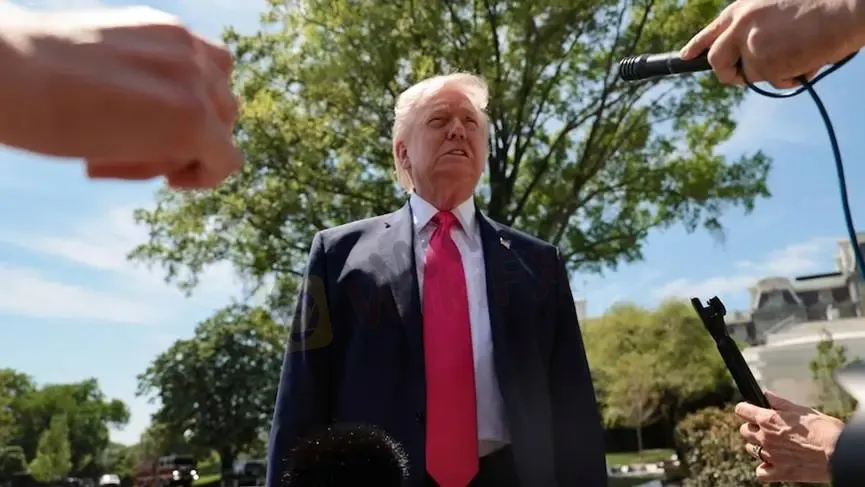
Sommario:[Figure 1: U.S.–Iran Geopolitical Overview]Former U.S. President Donald Trump recently adopted a firm stance, warning that it is “highly unlikely” the ceasefire would be extended if no agreement is re
[Figure 1: U.S.–Iran Geopolitical Overview]
Former U.S. President Donald Trump recently adopted a firm stance, warning that it is “highly unlikely” the ceasefire would be extended if no agreement is reached in the April 21 negotiations. He emphasized that the U.S. would not lift its maritime blockade on Iran prior to a deal, while also clarifying that Israel had “never persuaded” him to engage in military conflict with Iran.
Trump added that he would be open to meeting senior Iranian leadership should meaningful progress be achieved. Meanwhile, a U.S. delegation led by Vice President JD Vance is reportedly expected to arrive in Islamabad within hours.
On the Iranian side, the stance remains cautious yet firm. Iranian media reports indicate that Tehran has not changed its decision to abstain from negotiations, citing the ongoing U.S. maritime blockade as a primary obstacle. Officials have also questioned whether recent U.S. media reports are a “deception tactic,” while preparing for the possibility of renewed military confrontation.
Irans Foreign Minister stated that the country will assess all factors before determining its next move. The Supreme Leader reiterated three core positions, including demands for war reparations, while the parliamentary speaker firmly rejected negotiations conducted “under the shadow of threats.”
Despite this, U.S. media sources suggest Iranian representatives are drafting plans to travel to Islamabad by Tuesday. Should Vice President Vance attend, Iran‘s parliamentary speaker may also participate. Pakistan is actively mediating, seeking to persuade the U.S. to ease the blockade to facilitate Iran’s involvement. Notably, reports indicate Vance may delay talks until Tuesday, contradicting Trumps earlier timeline.
Strait of Hormuz Volatility Emerges as Key Variable
Tensions surrounding the Strait of Hormuz have intensified, becoming the most critical variable in negotiations.
Over the weekend, the situation shifted dramatically:
On Saturday, vessel traffic exceeded 20 ships, marking a seven-week high, including Saudi crude and Iranian cargo.
On Sunday, traffic abruptly dropped to zero amid escalating conflict, with dozens of vessels forced to turn back.
Within the past 36 hours, at least 35 vessels reversed course while exiting the strait. Following the U.S. seizure of the Iranian cargo ship “TOUSKA,” Iran swiftly reinstated shipping restrictions in retaliation.
According to British media reports, at least 26 Iran-linked vessels have breached the blockade since its implementation, including 11 oil tankers carrying Iranian cargo. Iran has pledged to ensure unrestricted passage for Russian vessels, while Russia has called for continued diplomatic efforts to prevent escalation.
“Maximum Pressure” Strategy Intensifies Energy Risks
The U.S. “maximum pressure” campaign continues to escalate, with the expanded maritime blockade now in effect for several days. This has placed Irans daily oil exports of approximately 1.7 million barrels at significant risk.
Iranian officials have condemned the move as “economic terrorism,” arguing that Washington has miscalculated the broader strategic landscape. Gulf and European officials estimate that a comprehensive peace agreement could take up to six months, recommending an extension of the ceasefire to create space for negotiations.
Key Disputes Remain Unresolved
Major points of contention persist, including:
Details of Irans nuclear program
Timing of reopening the Strait of Hormuz
Disposal of highly enriched uranium
Unfreezing of Iranian assets
Iran continues to insist on war reparations and has proposed allowing free navigation on the Omani side of the Strait. While Trump has signaled openness to high-level dialogue, the ongoing blockade and hardline rhetoric have deepened mutual distrust.
Outlook: Rising Risk of Escalation
Overall, the second round of U.S.–Iran negotiations remains highly uncertain. The Trump administration is leveraging the ceasefire deadline alongside military pressure to force concessions, while Iran remains uncompromising on sovereignty and core interests.
Although mediation efforts by Pakistan offer a diplomatic channel, the sharp fluctuations in Strait of Hormuz traffic are already disrupting global energy supply dynamics.
Failure to achieve a meaningful breakthrough around April 21 would significantly increase the risk of ceasefire collapse, potentially triggering renewed military conflict, a surge in oil prices, and further instability in global shipping routes.
The Middle East and global energy security now stand at a critical crossroads, requiring close monitoring in the days ahead.
Risk Disclaimer
The above analysis, opinions, and data are provided for general market commentary only and do not represent the official stance of this platform. All investors should conduct their own due diligence and assume full responsibility for any investment decisions. Trading involves risk—please proceed with caution.
Disclaimer:
Le opinioni di questo articolo rappresentano solo le opinioni personali dell’autore e non costituiscono consulenza in materia di investimenti per questa piattaforma. La piattaforma non garantisce l’accuratezza, la completezza e la tempestività delle informazioni relative all’articolo, né è responsabile delle perdite causate dall’uso o dall’affidamento delle informazioni relative all’articolo.
WikiFX Trader
WikiFX Trader
Rate Calc
USD

CNY
Tasso di cambio attuale:0
inserisci l'importo
USD
A disposizione
CNY
Calcolare 