


Broker Globale Piattaforma di Verifica Regolamentare
WikiFX
Italiano
简体中文
繁體中文
English
Pусский
日本語
ภาษาไทย
Tiếng Việt
Bahasa Indonesia
Español
हिन्दी
Filippiiniläinen
Français
Deutsch
Português
Türkçe
한국어
العربية
اردو
FXTRADING Economic Data Summary (Asia-Pacific | 04/17)
Sommario:Swiss National Bank Alerts to Franc Appreciation Risks on Price StabilityThe March meeting minutes of the Swiss National Bank send a fairly clear signal that external risks are increasingly feeding di

Swiss National Bank Alerts to Franc Appreciation Risks on Price Stability
The March meeting minutes of the Swiss National Bank send a fairly clear signal that external risks are increasingly feeding directly into domestic policy considerations. The situation in the Middle East is viewed as one of the key sources of uncertainty at present, with such shocks quickly transmitting through safe-haven demand into the currency market, pushing up demand for the Swiss franc. In an unstable environment, capital tends to flow into safe assets, leading to sustained strength in the franc. This appreciation is not driven by improvements in economic fundamentals, but rather by shifts in risk sentiment.
This pressure was already visible in early March, when the franc against the euro briefly reached its highest level in nearly 11 years. For Switzerland, currency appreciation means lower import prices, which in turn suppress overall inflation. In an environment where inflation is already subdued, this adds further complexity to policy management. FXTRADING analysis suggests that the Swiss National Banks current priority is not further tightening, but managing the exchange rate to avoid an excessive decline in inflation. As the franc continues to be supported by safe-haven flows, market intervention is likely to become a more frequently used tool.

Improved Employment Structure in Australia Supports Labor Market Resilience
Australias March employment data showed overall stability, with employment increasing by 17,900, broadly in line with market expectations, and the unemployment rate holding steady at 4.3%. On the surface, the data does not appear particularly strong, but a closer look at the structure reveals more positive signals. The participation rate edged down slightly from 66.9% to 66.8%, indicating a modest contraction in labor supply, though it does not alter the overall stable picture.
More importantly, changes in the employment structure stand out. Full-time employment increased by 52,500, while part-time jobs declined by 34,600. This shift suggests an improvement in job quality. FXTRADING analysis believes that the key factor in Australias labor market is not the quantity of jobs, but the improvement in structure. Gains in full-time employment and working hours could gradually translate into wage pressures, thereby supporting future inflation and monetary policy expectations.

ECB Rate Path Remains Highly Uncertain
Against the backdrop of energy prices being pushed higher again by geopolitical developments, markets have at times started to reprice the possibility of further rate hikes by the European Central Bank. However, ECB President Christine Lagarde has taken a more restrained stance, emphasizing that it is still too early to draw conclusions about the policy path under current conditions. While the energy shock is indeed raising costs, whether it will translate into persistent inflation still requires more time to assess.
According to the ECBs projections, the economy is currently in a delicate position. The baseline scenario assumes that the shock is temporary, but adverse scenarios indicate that if energy prices remain elevated and spill over more broadly, inflation could rise significantly, potentially approaching 4.8% next year in extreme cases. FXTRADING analysis suggests that the ECB is more inclined to extend its observation period rather than act prematurely. As long as energy-related uncertainty persists, policy is likely to remain flexible, and the rate path will continue to depend heavily on incoming data.
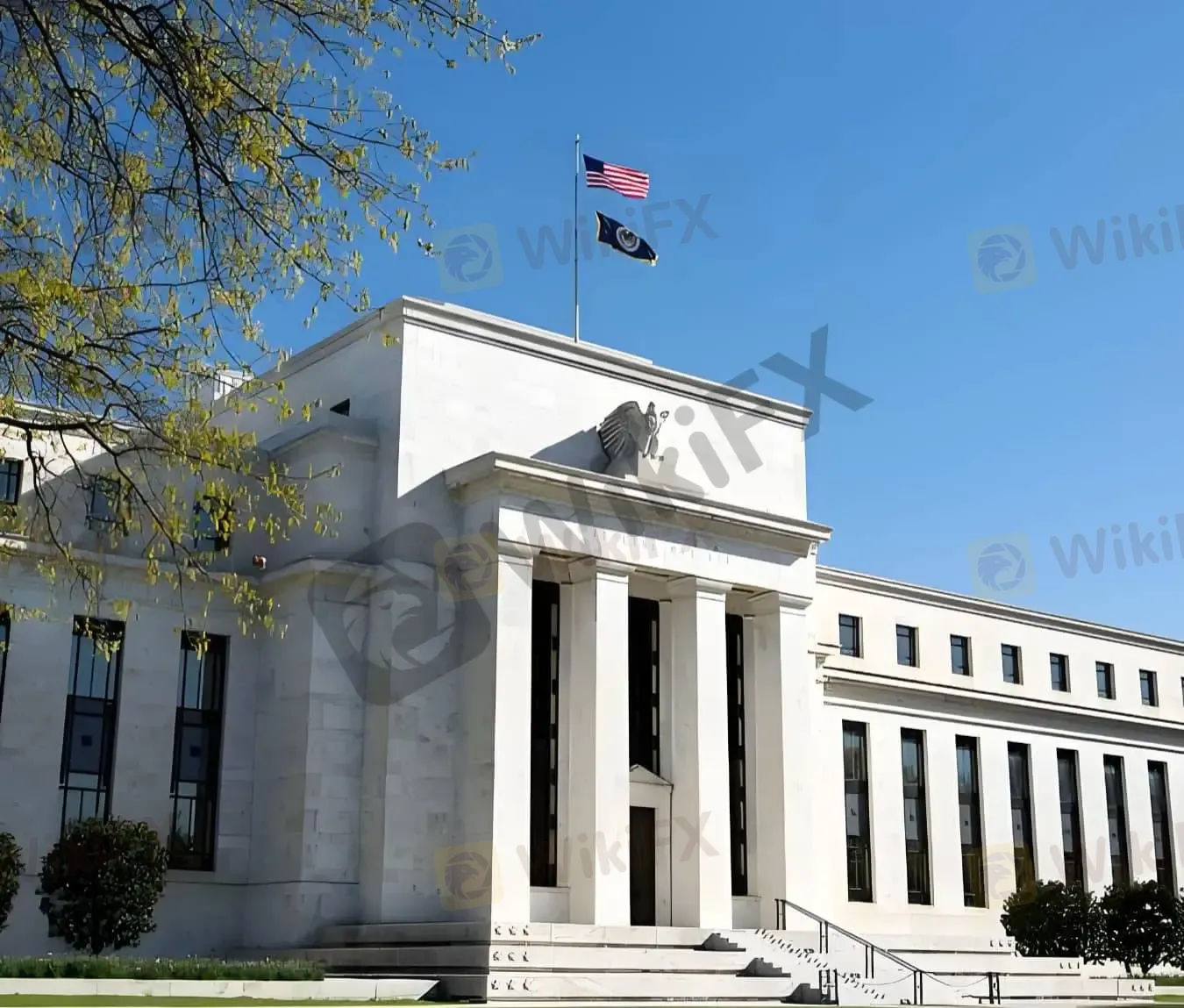
Federal Reserve Policy Framework Faces Adjustment
Federal Reserve official Beth Hammack noted that with inflation still above the 2% target, the latest round of energy shocks may no longer be treated as temporary disturbances. Persistent inflation over the past five years has altered the policy environment, making any new cost shocks more likely to translate into sustained pressure.
She highlighted a key variable: the level and duration of energy prices. If oil prices remain elevated, they would not only push inflation higher directly, but could also weigh on consumption by squeezing household spending, thereby affecting economic growth and eventually feeding into the labor market. FXTRADING analysis suggests that the Federal Reserves future response is likely to become more cautious and adaptive. In the face of repeated supply shocks, the traditional approach of looking through short-term disturbances may no longer be sufficient, and policy reactions will increasingly depend on actual data developments.
(For more insights into global macroeconomic trends and market developments, please follow FXTRADINGs official updates. This information is provided for reference only and does not constitute any form of investment advice.)
Disclaimer:
Le opinioni di questo articolo rappresentano solo le opinioni personali dell’autore e non costituiscono consulenza in materia di investimenti per questa piattaforma. La piattaforma non garantisce l’accuratezza, la completezza e la tempestività delle informazioni relative all’articolo, né è responsabile delle perdite causate dall’uso o dall’affidamento delle informazioni relative all’articolo.
WikiFX Trader
Exness
Sotto supervisione
D prime
Supervisione del paese
AVATRADE
Sotto supervisione
vantage
Sotto supervisione
FxPro
Sotto supervisione
GTCFX
Sotto supervisione
Exness
Sotto supervisione
D prime
Supervisione del paese
AVATRADE
Sotto supervisione
vantage
Sotto supervisione
FxPro
Sotto supervisione
GTCFX
Sotto supervisione
WikiFX Trader
Exness
Sotto supervisione
D prime
Supervisione del paese
AVATRADE
Sotto supervisione
vantage
Sotto supervisione
FxPro
Sotto supervisione
GTCFX
Sotto supervisione
Exness
Sotto supervisione
D prime
Supervisione del paese
AVATRADE
Sotto supervisione
vantage
Sotto supervisione
FxPro
Sotto supervisione
GTCFX
Sotto supervisione
Rate Calc
USD

CNY
Tasso di cambio attuale:0
inserisci l'importo
USD
A disposizione
CNY
Calcolare 