

Broker Globale Piattaforma di Verifica Regolamentare
WikiFX
English
简体中文
繁體中文
English
Pусский
日本語
ภาษาไทย
Tiếng Việt
Bahasa Indonesia
Español
हिन्दी
Filippiiniläinen
Français
Deutsch
Português
Türkçe
한국어
العربية
De-escalation in U.S.-Iran Tensions Signals a Transitional Market Phase
Sommario:[Figure 1: U.S.–Iran Geopolitical Overview]As of the latest developments between late March and April 1, 2026, the Middle East conflict has entered a highly complex phase characterized by simultaneous
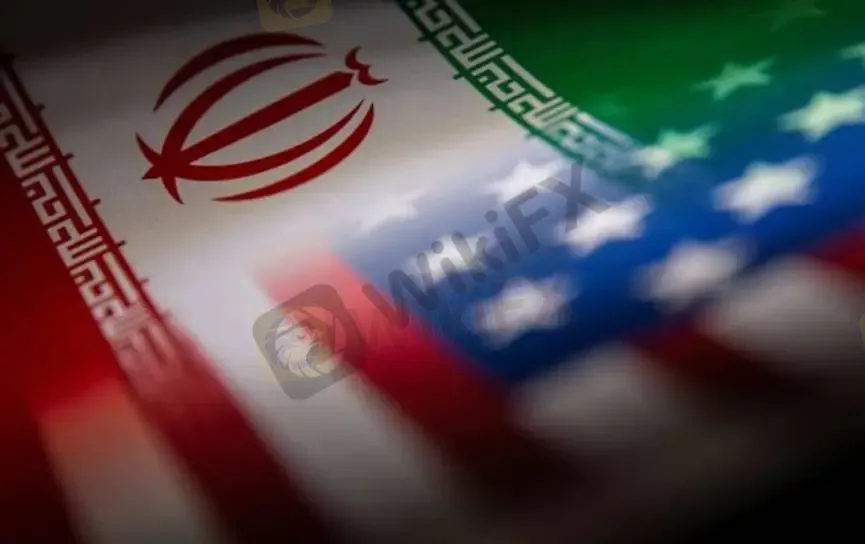
[Figure 1: U.S.–Iran Geopolitical Overview]
As of the latest developments between late March and April 1, 2026, the Middle East conflict has entered a highly complex phase characterized by simultaneous military engagement, strategic withdrawal, and escalating threats. Donald Trumps proposed “exit roadmap” is beginning to take shape, though his approach has grown increasingly aggressive.
Trump has publicly stated that the conflict with Iran could conclude within two to three weeks, with a subsequent withdrawal of U.S. forces. This move appears to be driven not by humanitarian concerns, but by a calculated cost-benefit assessment:
Avoiding a Prolonged Conflict: Trump has privately indicated to aides that he would accept a ceasefire even if the Strait of Hormuz is not fully reopened. Forcing full access could extend the war beyond the intended 4–6 week timeframe, risking a prolonged “security quagmire” that the U.S. seeks to avoid.
Outsourcing Responsibility: He has explicitly suggested that future maritime security in the region should be handled by European and Gulf allies. This reflects an extreme form of isolationist policy, where the U.S. neutralizes core threats (such as nuclear facilities), while shifting the long-term burden of securing shipping routes to its allies.
Trumps March 31 social media remarks further challenge the post-World War II consensus on freedom of navigation:
Commercial Leverage: He proposed that non-participating nations (such as the UK) either purchase aviation fuel from the U.S. or “have the courage to secure it themselves” in the Strait. This signals both pressure on allies and an attempt to capitalize on wartime demand for U.S. energy exports.
Erosion of Maritime Order: The U.S. appears to be stepping back from its traditional role as the “global maritime policeman,” reframing international waters security as a paid service or self-managed responsibility. This shift is likely to sustain elevated global shipping insurance and security costs over the long term.
At present, the situation reflects a pattern of maximum pressure followed by strategic contraction. While Trump signals a desire to withdraw, he is still weighing a high-risk operation to seize Irans uranium reserves. This suggests that within the final 14 days before a potential withdrawal, the world could witness one of the most dangerous special operations in modern military history.
Following Trumps indication of a near-term resolution, crude oil prices may experience a short-term pullback after recent sharp gains. However, escalating risks—including strikes on Qeshm Island and power outages in Tehran—are likely to sustain safe-haven demand, keeping gold prices range-bound between $4,500 and $4,600 ahead of the April 6 deadline.
Although Iran has expressed willingness to end the war, it insists on a comprehensive resolution of regional conflict rather than a partial ceasefire. This suggests Tehran may leverage strategic chokepoints such as the Bab el-Mandeb Strait to prolong U.S. withdrawal timelines and negotiate more favorable terms.
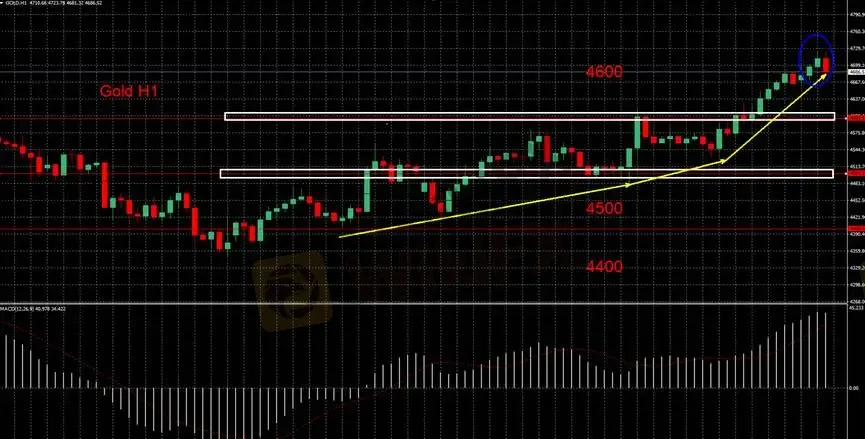
Gold has successfully broken above the $4,600 level and is holding firm, signaling a clear continuation of the bullish structure. Higher highs are forming consistently, and short-term momentum remains strong.
The MACD indicator is expanding above the zero line, indicating strengthening bullish momentum:
If price pulls back toward $4,600 and holds as support, this would represent a healthy retracement. Long positions may be considered on dips, with upside targets extending toward $4,680 or higher.
Conversely, if price falls back below $4,600 and the MACD histogram begins to contract, caution is warranted as the market may shift into short-term consolidation.
Strategy Recommendation:
Maintain a trend-following bullish bias. Avoid chasing highs; instead, wait for pullbacks to key support levels before entering positions. Monitor MACD for divergence or weakening momentum as part of risk management.
Risk Disclaimer
The above analysis, opinions, and market commentary are provided for general informational purposes only and do not represent the position of the platform. Investors should independently assess risks and exercise caution when making trading decisions.
Disclaimer:
Le opinioni di questo articolo rappresentano solo le opinioni personali dell’autore e non costituiscono consulenza in materia di investimenti per questa piattaforma. La piattaforma non garantisce l’accuratezza, la completezza e la tempestività delle informazioni relative all’articolo, né è responsabile delle perdite causate dall’uso o dall’affidamento delle informazioni relative all’articolo.
WikiFX Trader
EBC FINANCIAL GROUP
Sotto supervisione
TMGM
Sotto supervisione
GO Markets
Sotto supervisione
AVATRADE
Sotto supervisione
vantage
Sotto supervisione
FOREX.com
Supervisione del paese
EBC FINANCIAL GROUP
Sotto supervisione
TMGM
Sotto supervisione
GO Markets
Sotto supervisione
AVATRADE
Sotto supervisione
vantage
Sotto supervisione
FOREX.com
Supervisione del paese
WikiFX Trader
EBC FINANCIAL GROUP
Sotto supervisione
TMGM
Sotto supervisione
GO Markets
Sotto supervisione
AVATRADE
Sotto supervisione
vantage
Sotto supervisione
FOREX.com
Supervisione del paese
EBC FINANCIAL GROUP
Sotto supervisione
TMGM
Sotto supervisione
GO Markets
Sotto supervisione
AVATRADE
Sotto supervisione
vantage
Sotto supervisione
FOREX.com
Supervisione del paese
Rate Calc
USD

CNY
Tasso di cambio attuale:0
inserisci l'importo
USD
A disposizione
CNY
Calcolare 