

Applicazione di richiesta di informazioni sulla regolamentazione dei broker globali
WikiFX
English
简体中文
繁體中文
English
Pусский
日本語
ภาษาไทย
Tiếng Việt
Bahasa Indonesia
Español
हिन्दी
Filippiiniläinen
Français
Deutsch
Português
Türkçe
한국어
العربية
FXTRADING Economic Data Summary (Asia-Pacific | 03/11)
Sommario:Signs of Recovery Emerging in the U.S. Housing MarketThe latest data from the U.S. housing market shows that existing home sales rose about 1.7% month-on-month in February, reaching an annualized pace

Signs of Recovery Emerging in the U.S. Housing Market
The latest data from the U.S. housing market shows that existing home sales rose about 1.7% month-on-month in February, reaching an annualized pace of 4.09 million units. This performance was notably stronger than most economists had previously expected. At the same time, Januarys figures were revised upward, suggesting that actual market activity was more resilient than initially reported. Over the past few months, mortgage rates have gradually declined, encouraging many potential buyers who had previously stayed on the sidelines to reenter the market, which has provided clear support to transaction volumes.
In addition to lower borrowing costs, the slowing pace of home price growth has also improved purchasing conditions. The latest data shows that the median price of existing homes increased only slightly year-on-year, marking one of the smallest gains since the pandemic period. Meanwhile, housing inventory has begun to gradually rise, with the number of listings reaching relatively high levels compared with the same period in recent years. FXTRADING analysis suggests that the U.S. housing market is currently undergoing a mild recovery phase. Declining interest rates and rising inventory are jointly improving buying conditions. If financing costs remain stable, housing activity could gradually recover over the coming quarters, although a full market rebound may still take time.

Australian Consumer Sentiment Shows a Temporary Rebound
Australias consumer sentiment index rose about 1.2% month-on-month in March, indicating that household confidence improved slightly over the past month. Previously, markets were concerned that interest rate hikes by the Reserve Bank of Australia might significantly dampen consumption. However, survey results suggest that households responded relatively calmly to the most recent rate increase, with no signs of widespread panic.
However, sentiment weakened noticeably toward the end of the survey period as global tensions escalated. Data collected during the final days showed a sharp drop in confidence levels, suggesting that geopolitical risks are beginning to influence how households view the future economic environment. FXTRADING analysis believes that Australian consumer sentiment remains in relatively weak territory. In the short term, interest rates have had a limited impact on consumption, but uncertainty related to geopolitical developments and energy prices is gradually weighing on household confidence. This dynamic may also encourage the RBA to adopt a more cautious stance in its upcoming policy decisions.
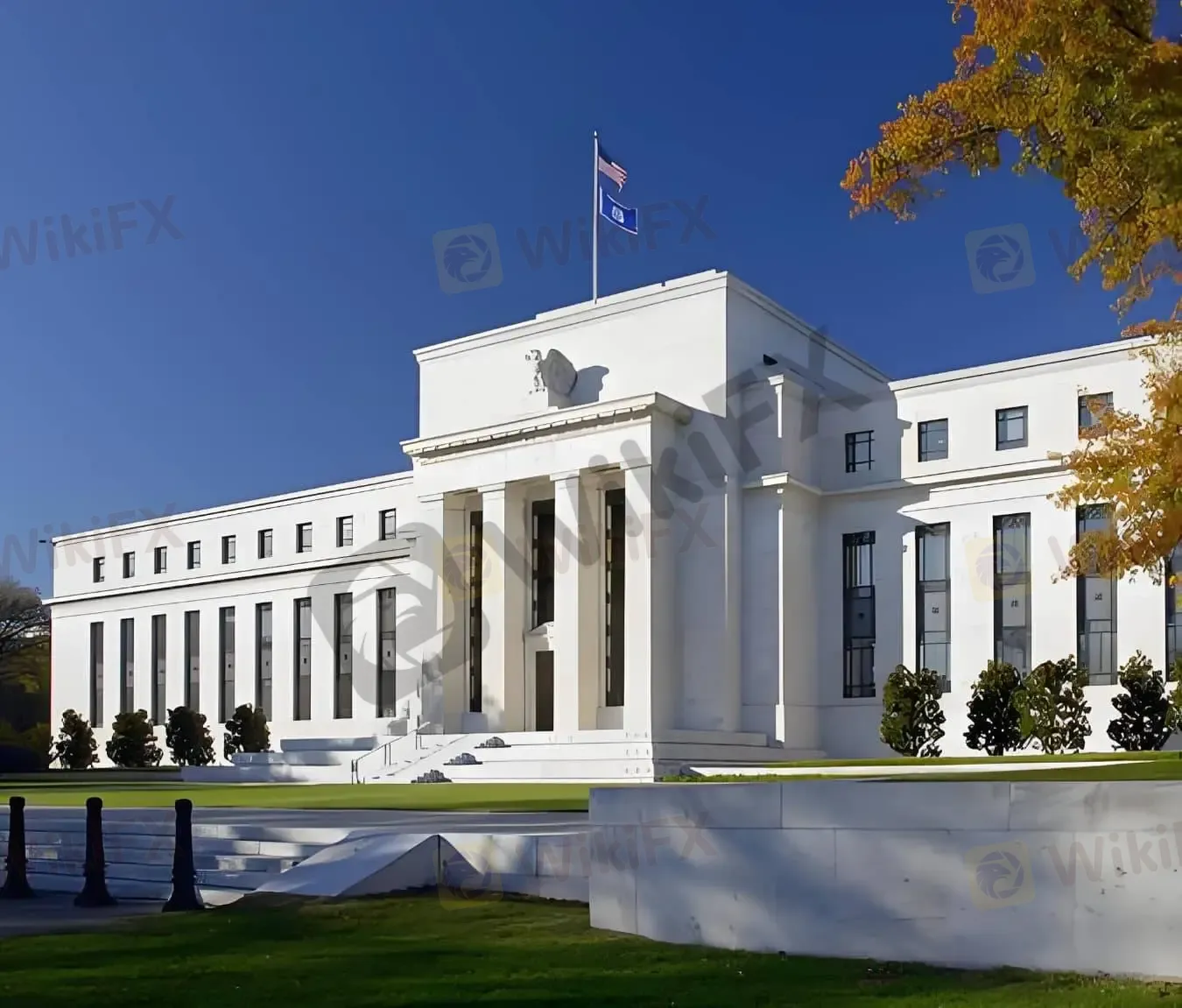
Federal Reserve Remains Alert to Rising Inflation Risks
Recently, Richmond Federal Reserve President Thomas Barkin noted that recent economic data indicates price pressures have not eased as steadily as previously expected. The labor market continues to show strong resilience, while wage growth and demand conditions remain relatively stable. These factors could slow the process of bringing inflation back down.
At the same time, uncertainty surrounding the situation in the Middle East has introduced new upside risks to energy prices. If oil prices remain elevated, inflation pressures could intensify again. . FXTRADING analysis suggests that the path of U.S. inflation is becoming more complicated. The combination of resilient employment and energy price risks makes it difficult for policymakers to confidently declare inflation under control. As a result, the Federal Reserve is likely to maintain a cautious policy stance for some time.

Diverging Views Within the ECB on the Impact of the Middle East Conflict
Amid the ongoing escalation of tensions in the Middle East, European Central Bank officials have begun reassessing the potential impact of energy risks. Some policymakers believe that although uncertainty remains high, the baseline scenario still assumes the conflict will be limited in duration. Under this assumption, the impact on economic growth and inflation may remain relatively manageable.
However, other officials caution against becoming overly optimistic too early. If the conflict persists for a prolonged period and energy prices remain elevated, the eurozone economy could face a much more complex situation. On one hand, higher energy costs could push inflation upward. FXTRADING analysis suggests that the ECB is currently still observing how the situation develops. As long as the energy shock remains temporary, monetary policy is unlikely to shift significantly. But if the conflict drags on and continues to push energy prices higher, the eurozone economy could face a more pronounced stagflation risk.
Disclaimer:
Le opinioni di questo articolo rappresentano solo le opinioni personali dell’autore e non costituiscono consulenza in materia di investimenti per questa piattaforma. La piattaforma non garantisce l’accuratezza, la completezza e la tempestività delle informazioni relative all’articolo, né è responsabile delle perdite causate dall’uso o dall’affidamento delle informazioni relative all’articolo.
WikiFX Trader
WikiFX Trader
Rate Calc
USD

CNY
Tasso di cambio attuale:0
inserisci l'importo
USD
A disposizione
CNY
Calcolare 