

Broker Globale Piattaforma di Verifica Regolamentare
WikiFX
English
简体中文
繁體中文
English
Pусский
日本語
ภาษาไทย
Tiếng Việt
Bahasa Indonesia
Español
हिन्दी
Filippiiniläinen
Français
Deutsch
Português
Türkçe
한국어
العربية
FXTRADING Economic Data Summary (Asia-Pacific | 02/06)
Sommario:Eurozone consumption remains under pressureEurozone retail sales fell by 0.5% month on month in December last year, extending the prior weakness, with the size of the decline itself clearly exceeding

Eurozone consumption remains under pressure
Eurozone retail sales fell by 0.5% month on month in December last year, extending the prior weakness, with the size of the decline itself clearly exceeding the markets conservative expectations. Against the backdrop of high interest rates and subdued income expectations, household consumption appetite remains under strain, and the traditional year-end peak season failed to deliver a meaningful boost.
From a structural perspective, the divergence between essentials and discretionary spending has become increasingly evident. Food sales managed only a modest increase, while non-food items saw a pronounced pullback, underscoring consumers‘ continued caution toward larger and non-essential purchases. Fuel sales were stagnant and provided virtually no support to overall retail performance. Differences among member states were also notable, with consumption disparities between northern and southern economies, as well as between core and peripheral countries, further weakening the region’s overall recovery momentum. FXTRADING analysis suggests that the current retail data reflect not short-term volatility but the reality of a slow consumption recovery under a high-rate environment, which will continue to constrain the pace of economic improvement.
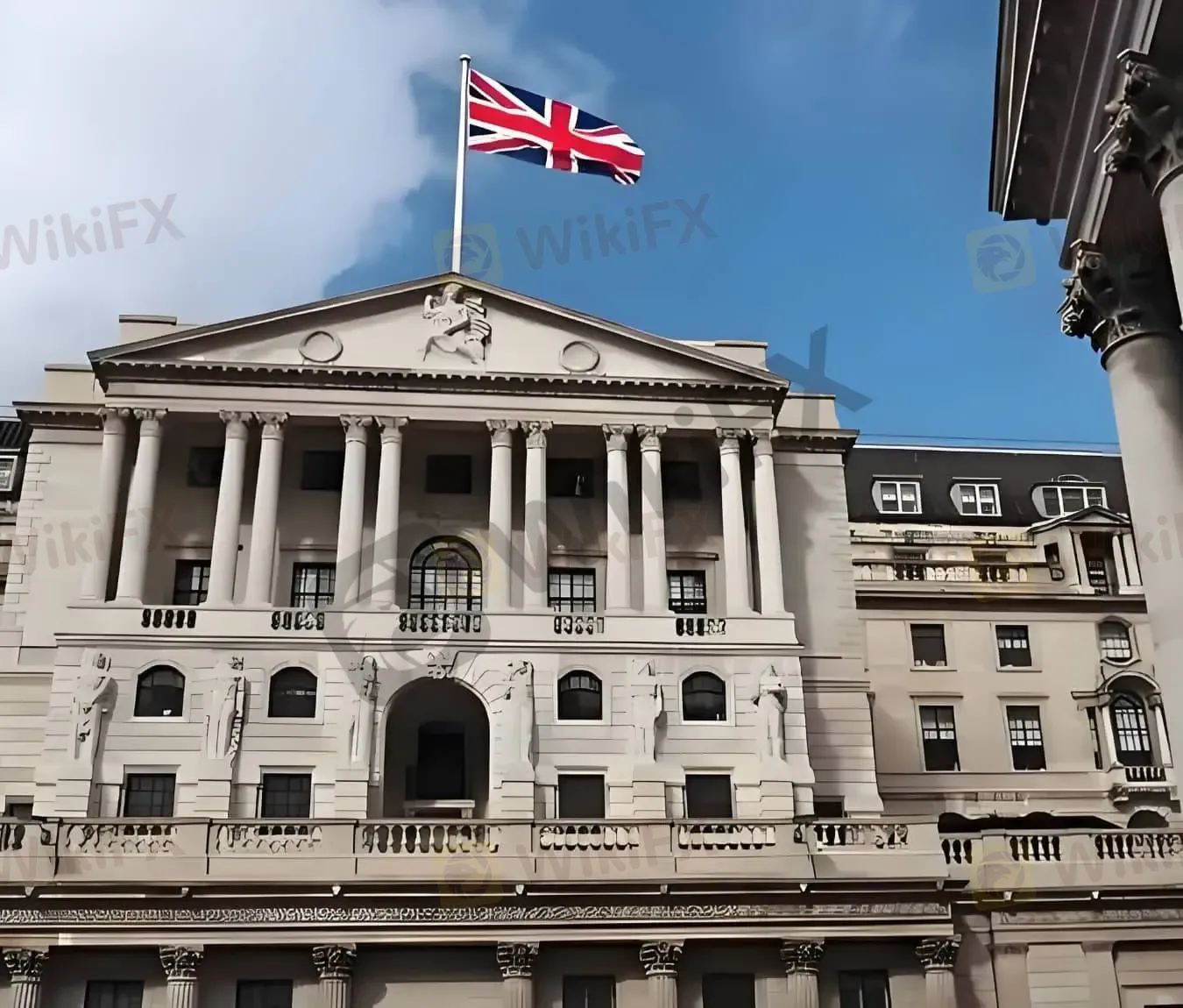
Bank of England holds rates steady
The Bank of England kept its policy rate unchanged at 3.75%, a decision that in itself aligned with market expectations, but the voting split sent a far more nuanced signal. The 5–4 outcome highlighted a high degree of internal division over the next policy step, with the room for maneuver becoming increasingly narrow between easing inflation and mounting economic pressure.
Those favoring a hold are more concerned about uncertainty around the inflation downtrend and believe that easing too early could reignite price risks. By contrast, members calling for an immediate rate cut are more focused on weak demand and the drag that tight financial conditions are exerting on the economy. In their view, the current policy stance is already well above what the economy requires, and maintaining high rates risks imposing unnecessary growth costs. FXTRADING analysis believes that the Bank of Englands wait-and-see stance is unlikely to change in the near term, but the voting split has already planted the seeds for a future policy shift, with volatility in sterling-denominated assets likely to rise as a result.

European Central Bank keeps policy unchanged
The European Central Bank left the deposit rate unchanged at 2.00%, maintaining the steady tone seen in previous communications. The policy statement reiterated confidence that inflation will return to target over the medium term and emphasized that decisions will continue to be made on a meeting-by-meeting, data-dependent basis. The core message from this language is that there is no urgent need for action at present.
At the press conference, the Governing Council‘s assessment of risks appeared relatively balanced. On one hand, some upside inflation factors remain; on the other, pressures on both demand and costs have eased to some extent. In this context, maintaining the current policy stance was viewed as the more appropriate choice. For markets, expectations around this outcome had already been priced into currencies and rates, and the decision itself did not generate a fresh shock. FXTRADING analysis suggests that the ECB’s primary objective at this stage is to anchor expectations rather than steer a new trend, meaning the euros direction will be driven more by external factors than by domestic policy shifts.
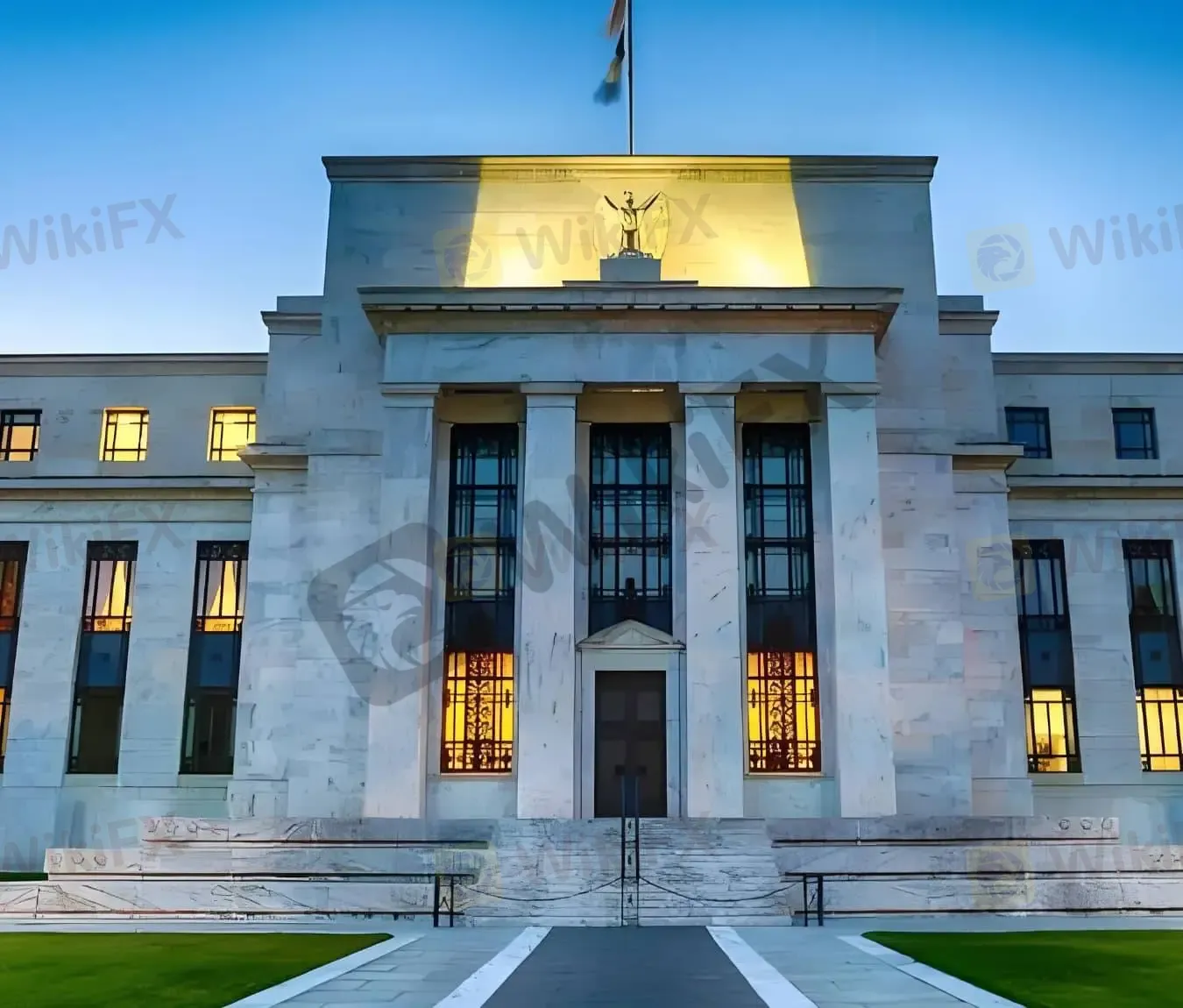
The Federal Reserve focuses on tail risks to inflation
Discussions within the Federal Reserve on inflation risks are undergoing a subtle shift. Some officials believe that while the overall inflation trend has stabilized, the distribution of risks is tilting upward, which is one of the key arguments for maintaining a hold. Compared with earlier concerns about overheating demand, attention is now increasingly directed toward structural factors.
The recent rebound in goods inflation is closely linked to cost increases stemming from tariff adjustments. In theory, such effects should mainly show up as a one-off lift in price levels, but in practice the speed and persistence of pass-through remain uncertain. How tariff policy evolves going forward, and whether it will influence inflation expectations, remain risk variables the Fed cannot ignore. FXTRADING analysis holds that, as long as tariff-related and policy uncertainties have yet to dissipate, the Feds restraint on rate cuts is a rational choice, implying that US interest rates are likely to retain resilience in the near term.
Disclaimer:
Le opinioni di questo articolo rappresentano solo le opinioni personali dell’autore e non costituiscono consulenza in materia di investimenti per questa piattaforma. La piattaforma non garantisce l’accuratezza, la completezza e la tempestività delle informazioni relative all’articolo, né è responsabile delle perdite causate dall’uso o dall’affidamento delle informazioni relative all’articolo.
WikiFX Trader
FXTM
Sotto supervisione
EBC FINANCIAL GROUP
Sotto supervisione
TICKMILL
Sotto supervisione
XM
Sotto supervisione
FXCM
Sotto supervisione
eightcap
Sotto supervisione
FXTM
Sotto supervisione
EBC FINANCIAL GROUP
Sotto supervisione
TICKMILL
Sotto supervisione
XM
Sotto supervisione
FXCM
Sotto supervisione
eightcap
Sotto supervisione
WikiFX Trader
FXTM
Sotto supervisione
EBC FINANCIAL GROUP
Sotto supervisione
TICKMILL
Sotto supervisione
XM
Sotto supervisione
FXCM
Sotto supervisione
eightcap
Sotto supervisione
FXTM
Sotto supervisione
EBC FINANCIAL GROUP
Sotto supervisione
TICKMILL
Sotto supervisione
XM
Sotto supervisione
FXCM
Sotto supervisione
eightcap
Sotto supervisione
Rate Calc
USD

CNY
Tasso di cambio attuale:0
inserisci l'importo
USD
A disposizione
CNY
Calcolare 