

Broker Globale Piattaforma di Verifica Regolamentare
WikiFX
English
简体中文
繁體中文
English
Pусский
日本語
ภาษาไทย
Tiếng Việt
Bahasa Indonesia
Español
हिन्दी
Filippiiniläinen
Français
Deutsch
Português
Türkçe
한국어
العربية
FXTRADING Economic Data Summary (Asia-Pacific | 01/30)
Sommario:New Zealands year-end trade shows a reboundIn December, New Zealand‘s goods exports and imports both recorded year-on-year growth of around 15%, resulting in a trade surplus of approximately NZD 52 mi

New Zealands year-end trade shows a rebound
In December, New Zealand‘s goods exports and imports both recorded year-on-year growth of around 15%, resulting in a trade surplus of approximately NZD 52 million for the month. While modest in absolute terms, this outcome was clearly better than the market’s previously cautious expectations. Structurally, the simultaneous expansion of exports and imports suggests that both external demand and domestic absorption remained relatively active toward year-end.
From a destination perspective, contributions from major trading partners were relatively balanced. Exports to Australia and the European Union stood out in particular, with both recording double-digit growth, indicating continued strengthening of regional trade ties. At the same time, exports to the United States and Japan also maintained positive growth, albeit at differing rates, overall suggesting that New Zealands exports are not overly reliant on any single market. On the import side, inflows from Australia and the EU rose noticeably, while imports from the United States declined, partially easing the pressure that import growth might otherwise have placed on the trade balance. FXTRADING analysis suggests that the year-end trade performance reflects more of a “volume recovery” rather than a structural improvement. While it may help stabilize expectations for the external accounts in the short term, its implications for the monetary policy path will still depend on the sustainability of demand going forward.
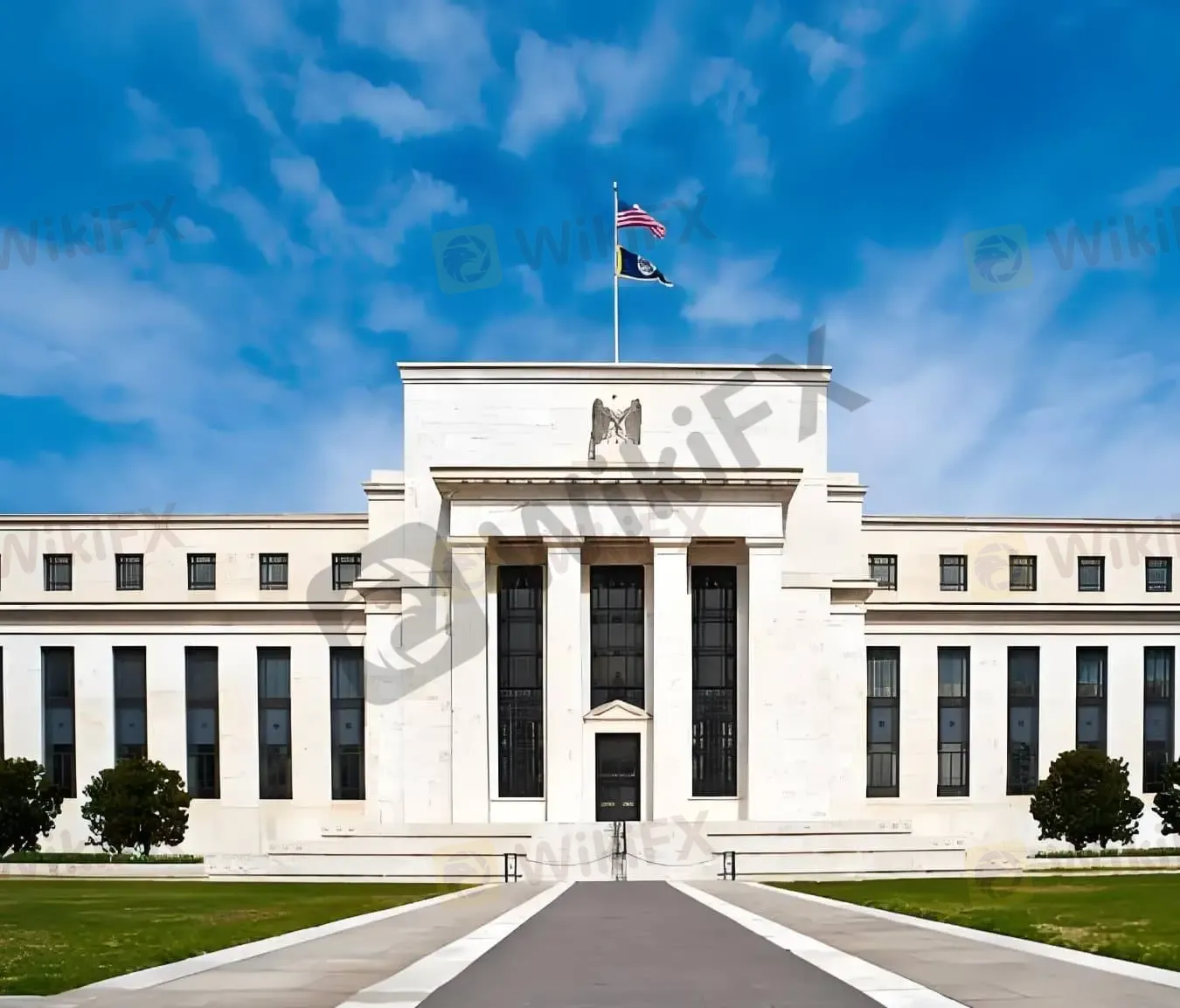
The Federal Reserve keeps benchmark rates unchanged
At its latest policy meeting, the Federal Reserve decided to leave its benchmark interest rate range unchanged, in line with broad market expectations. Unlike previous decisions, however, the outcome was not unanimous, with clear internal differences emerging. Some policymakers favored moving toward rate cuts earlier, indicating that policy discussions are beginning to shift from “whether to adjust” to “when to adjust.”
Despite the dissenting votes, the official communication did not deliver a clear easing signal. The policy statement continued to emphasize that economic activity remains on a solid expansionary footing, that the labor market has cooled but not deteriorated, and that inflation is still described as slightly above target. This combination of language suggests that the majority of policymakers prefer to buy time to gain greater certainty, rather than pivot prematurely before the data point decisively in one direction. FXTRADING analysis views the Fed as laying the groundwork for a future policy shift rather than initiating immediate action, with near-term uncertainty centered more on timing than on direction.

The Bank of Canada maintains a neutral stance
The Bank of Canada also opted to stay on hold, keeping its policy rate at 2.25%. Policymakers reiterated that the current policy setting remains appropriate under the baseline scenario, provided the economy evolves broadly in line with expectations. Compared with the rate decision itself, the market paid closer attention to the Banks discussion of the risk environment.
The Bank noted that prospects for both the domestic and global economies are little changed from its previous assessment, but that external uncertainties are exerting increasing influence on the outlook. In particular, the direction of U.S. trade policy and geopolitical factors were repeatedly highlighted as core variables in the current risk assessment FXTRADING analysis suggests that the Bank of Canadas policy flexibility is more dependent on shifts in external variables. While room for near-term rate adjustments appears limited, risk premia may begin to manifest earlier through the exchange rate and capital flows.

U.S. consumer confidence suffers a sharp setback
The latest U.S. consumer confidence data show a marked deterioration in household sentiment at the start of the year. According to the Conference Board survey, the overall confidence index recorded a steep month-on-month decline, falling to a multi-year low and indicating that consumers assessments of both current economic conditions and future prospects have weakened simultaneously.
Subcomponents also sent clear warning signals. Both evaluations of present conditions and expectations for the next six months fell sharply. The forward-looking index in particular has dropped into a range that, based on historical experience, is often associated with economic slowing. FXTRADING analysis believes that the rapid fall in consumer confidence could place forward-looking pressure on consumption and investment. If confidence fails to recover in the near term, it may become a key source of uncertainty for the macroeconomic growth trajectory.
Disclaimer:
Le opinioni di questo articolo rappresentano solo le opinioni personali dell’autore e non costituiscono consulenza in materia di investimenti per questa piattaforma. La piattaforma non garantisce l’accuratezza, la completezza e la tempestività delle informazioni relative all’articolo, né è responsabile delle perdite causate dall’uso o dall’affidamento delle informazioni relative all’articolo.
WikiFX Trader
TICKMILL
Sotto supervisione
IC Markets Global
Sotto supervisione
D prime
Supervisione del paese
VT Markets
Sotto supervisione
FXTM
Sotto supervisione
eightcap
Sotto supervisione
TICKMILL
Sotto supervisione
IC Markets Global
Sotto supervisione
D prime
Supervisione del paese
VT Markets
Sotto supervisione
FXTM
Sotto supervisione
eightcap
Sotto supervisione
WikiFX Trader
TICKMILL
Sotto supervisione
IC Markets Global
Sotto supervisione
D prime
Supervisione del paese
VT Markets
Sotto supervisione
FXTM
Sotto supervisione
eightcap
Sotto supervisione
TICKMILL
Sotto supervisione
IC Markets Global
Sotto supervisione
D prime
Supervisione del paese
VT Markets
Sotto supervisione
FXTM
Sotto supervisione
eightcap
Sotto supervisione
Rate Calc
USD

CNY
Tasso di cambio attuale:0
inserisci l'importo
USD
A disposizione
CNY
Calcolare 