

Global Broker Regulation Inquiry App
About WikiFX
English
简体中文
繁體中文
English
Pусский
日本語
ภาษาไทย
Tiếng Việt
Bahasa Indonesia
Español
हिन्दी
Filippiiniläinen
Français
Deutsch
Português
Türkçe
한국어
العربية
اردو


FBS Review: What Traders Should Know Before Depositing

WikiFX
|


Abstract:FBS holds ASIC and CySEC licences, but WikiFX records show a growing body of user complaints describing withdrawal obstruction, balances wiped after profit, severe slippage, and price manipulation. Regulatory warnings from Malaysia's SCM and Japan's FSA add further concern. WikiFX scores the broker 2.51 out of 10.
FBS is a globally recognised forex and CFD broker with a visible presence across more than 150 countries. The platform offers MT4 and MT5 access, a proprietary mobile app, and account types that appeal to both beginners and experienced traders. On paper, FBS holds regulatory licences from the Australian Securities and Investments Commission (ASIC) and the Cyprus Securities and Exchange Commission (CySEC), two well-known financial watchdogs.
However, what a broker's licence says and how it treats client funds in practice can be two very different things. Over the past year and a half, WikiFX records show a growing volume of user complaints describing withdrawal delays, severe slippage during normal market conditions, account restrictions imposed after traders turned a profit, and entire balances being wiped through what the platform calls a “Balance Fixed” adjustment. At the same time, regulators in Malaysia and Japan have issued formal warnings against FBS-related entities. This article walks through the patterns in those complaints, the regulatory flags that deserve attention, and what the evidence suggests before you commit real money.
 Contents
Complaint Pattern Analysis
The complaints recorded against FBS are not random one-off grievances. They cluster around a small number of recurring themes that appear across different countries, account types, and time periods, which makes them harder to dismiss as isolated incidents.
Withdrawal Obstruction is the most frequently reported issue. WikiFX records describe users from India, South Africa, the United Kingdom, Brazil, Indonesia, Thailand, and Hong Kong facing withdrawal requests that were either rejected outright, left pending for extended periods, or marked as completed on the broker's side while the funds never reached their bank accounts. One complaint describes a withdrawal that showed as successful on the dashboard, yet the money did not arrive. Another user reported waiting more than two weeks without receiving funds in a bank account.
A Hong Kong-based complaint from 2018 described a strikingly similar experience: the user made multiple withdrawal applications, only to have the entire account balance deducted. Customer support initially told the user the withdrawal was being processed, then later changed the explanation to allege illegal trading activity.
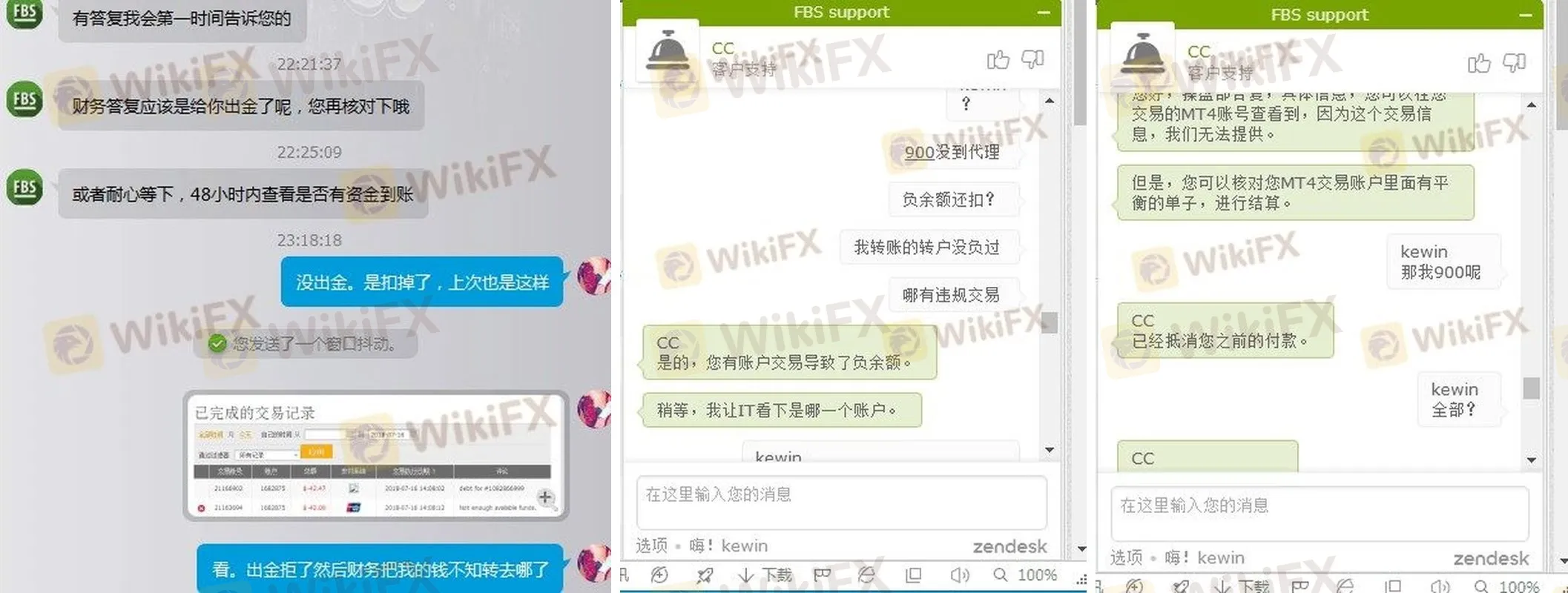
Screenshot submitted by the user with the complaint (2018-07)
Balance Wiped After Profit is a pattern that goes beyond slow processing. WikiFX records include a complaint in which a trader reported approximately $44,827 in profit was removed through a “Balance Fixed” adjustment. Another complaint describes a balance of around $2,618 being wiped, followed by account deactivation and the deletion of trading and transaction history. A third user said that after depositing funds and generating a profit, the account was blocked under an anti-money laundering (AML) check. Despite submitting extensive documentation , including an ID video selfie, proof of residence, transaction screenshots, payroll records, bank statements, and crypto purchase receipts , the user said approximately $1,099.65 in profit was erased through “Balance Fixed.”
A complaint filed in August 2025 adds further weight to this pattern.
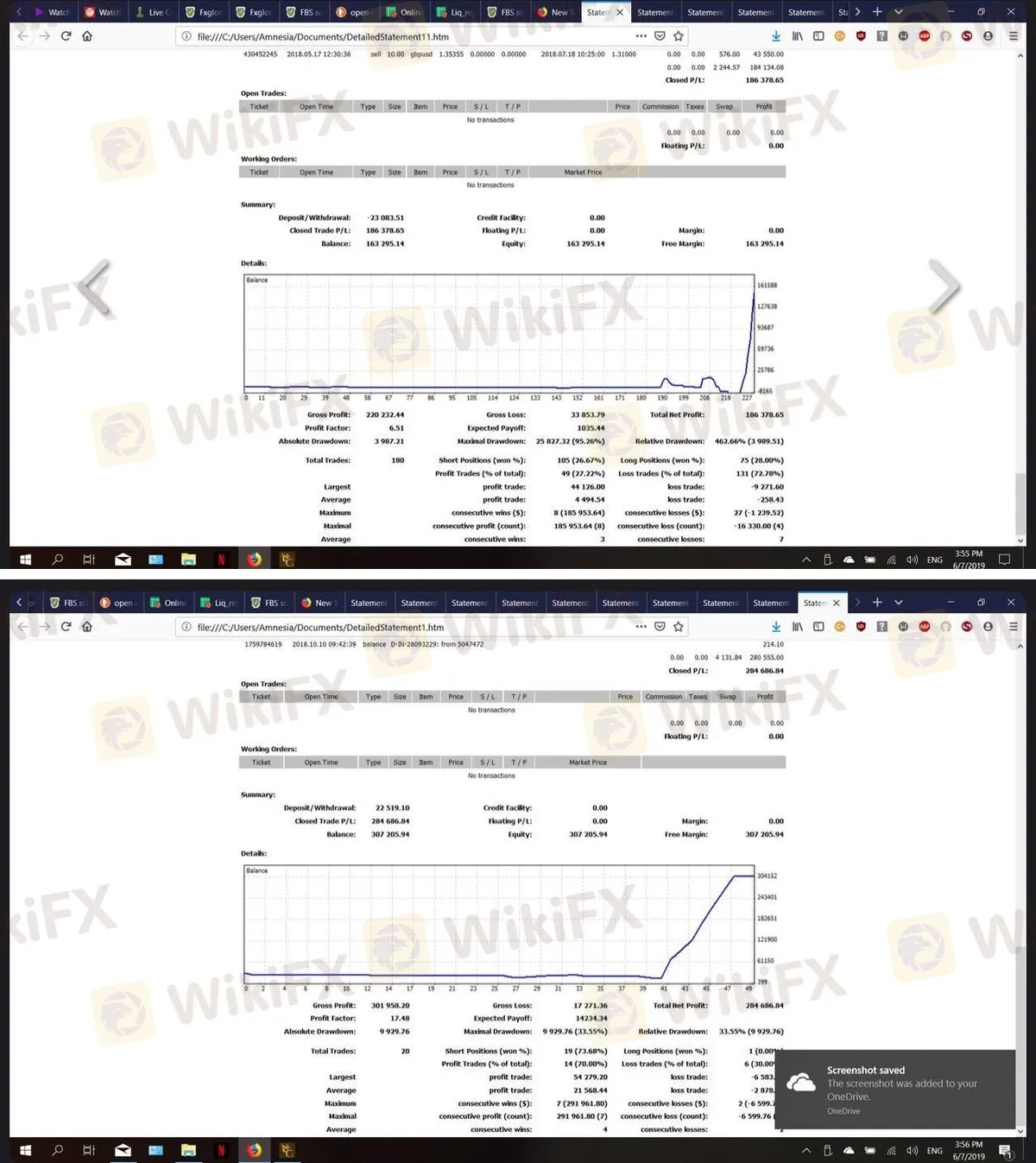
Screenshot submitted by the user with the complaint (2025-08)
Stop-Loss Slippage and Price Manipulation form another major complaint cluster. WikiFX records show a trader reporting that their stop-loss, consistently set at $200 per trade, was repeatedly hit with slippage pushing the actual loss to between $250 and $350. A German-based complaint described three pending EUR/USD orders totalling 30 lots that were executed at 1.1240 during a Monday market open, despite the opening price being 1.11850 and executable orders at 1.1202. The same positions held with two other brokers were executed at the live market price. According to the complaint, the 400-point gap produced a difference of close to $30,000.
A Thailand-based complaint alleged that FBS set a take-profit level without consent after market close, resulting in a claimed loss of $17,600. A separate Malaysia complaint said a take-profit was set at 0.01 on an AMD stock position, with the user questioning whether pricing could be changed after the market closed. Across instruments ranging from XAUUSD and XAGUSD to USD/TRY and US100, the allegation stays consistent: price movement or order execution on the platform allegedly did not match what traders observed from broader market conditions.
Further complaints from August 2025 document similar execution-related grievances.
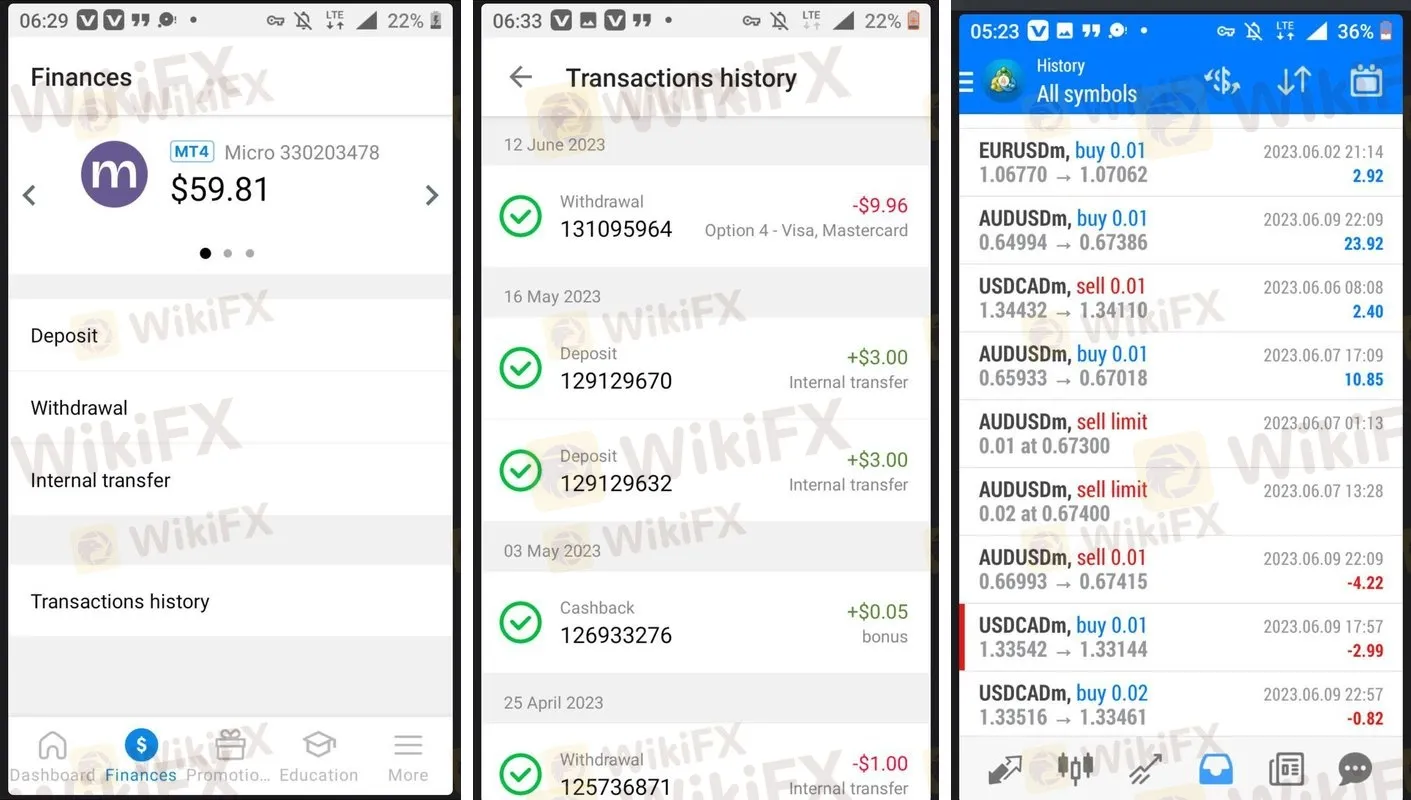
Screenshot submitted by the user with the complaint (2025-08)
Regulatory Warnings
FBS holds licences from ASIC and CySEC that appear in good standing on WikiFX: an ASIC Market Making Licence under Intelligent Financial Markets Pty Ltd in Australia, and a CySEC Market Making Licence under Tradestone Ltd in Cyprus. Both are marked as regulated.
These are meaningful licences, and they suggest a degree of formal oversight exists for certain client segments. However, two separate regulatory disclosures complicate the picture.
The Securities Commission Malaysia (SCM) has placed FBS-related entities on its Investor Alert List. According to the SCM disclosure, FBS Malaysia / FX Trade Pro , operating through multiple websites including fbs.com, fbsmy.com, and several Telegram channels , was flagged in 2021 for carrying on unlicensed capital market activities of dealing in securities and derivatives. The SCM warning explicitly lists a range of domains and Telegram groups associated with the name.
The Financial Services Agency of Japan (FSA) issued its own warning as far back as August 2015, identifying FBS Markets Inc. as an entity conducting financial instruments business without registration. The FSA noted that the entity solicited over-the-counter derivative transactions via the internet.
These warnings do not cancel out the ASIC and CySEC licences. But they do raise practical questions: if you are onboarding through a regional FBS website or engaging with a local representative, which legal entity actually holds your account, and which regulator has jurisdiction over your funds?
Basic Information
FBS Markets Inc. is registered in Belize. The broker's official website states the company celebrated its 15-year anniversary in 2024, placing its founding around 2009. The platform serves clients in over 150 countries, though it restricts residents of the United States, the European Union, the United Kingdom, Israel, Iran, and Myanmar.
The broker offers Standard and Ultra account types. Both require a minimum entry of 50 units of the account's base currency, and maximum leverage is set at 1:30. The Standard account carries spreads starting from 0.7 pips with no commission, while the Ultra account features spreads from zero with a commission of AUD 8.12, USD 6, or EUR 5 per lot. Expert Advisors are permitted on both account types.
FBS supports over 550 tradable instruments spanning forex pairs, metals, energies, indices, and shares. Cryptocurrency trading is not available. The platform runs on MT4, MT5, and its proprietary FBS mobile app.
Score and Market Impact
WikiFX assigns FBS a score of 2.51 out of 10. That figure reflects the weight of the complaint record and the regulatory warnings that sit alongside the broker's licensed status. A score in this range signals that the platform carries substantial risk factors that traders should not overlook.
FBS enjoys high brand recognition, particularly in Southeast Asia, Africa, and parts of Latin America. The company has invested heavily in sponsorships, awards, and marketing partnerships. But a wide marketing footprint does not mean client funds are protected. The disconnect between the polished public image and the volume of unresolved user complaints is one of the most striking features of FBS's current profile.
Independent review platforms reflect a similarly cautious tone, with users repeatedly flagging withdrawal delays, denied payouts, and trading anomalies. The consistency of these reports across different platforms and time periods suggests the issues are structural, not incidental.
Final Thoughts
FBS is not an anonymous, unlicensed operation. It has identifiable regulatory registrations in Australia and Cyprus, and it has built a globally recognised brand over more than a decade. But the evidence gathered from user complaints, regulatory warnings, and the broker's own WikiFX score points to a platform where client outcomes, particularly around withdrawals and trade execution, diverge sharply from the marketing promise. When traders across multiple countries independently describe the same patterns , blocked withdrawals after profitable trading, balances wiped through “Balance Fixed” adjustments, slippage that consistently works against the client, and phantom price movements that close positions at unfavourable levels , the accumulation of these accounts is difficult to ignore.
If you are considering FBS, verify which legal entity will hold your account and which regulator oversees it. Make a small test deposit first, open a modest position, and attempt a full withdrawal before committing larger sums. Use the WikiFX App to check the broker's real-time score, read recent user complaints, and confirm the current regulatory status. A licence on paper is a starting point, but how a broker handles your withdrawal request is the real test.
Disclaimer:
The views in this article only represent the author's personal views, and do not constitute investment advice on this platform. This platform does not guarantee the accuracy, completeness and timeliness of the information in the article, and will not be liable for any loss caused by the use of or reliance on the information in the article.
WikiFX Broker
Latest News
Singapore tightens monetary policy in surprise move as rising oil prices rekindle inflation risk
WikiFXSPREDIX MARKETS Review: What Traders Should Know Before Depositing
WikiFXBXB Review – Zero Regulation, Dead Website: What Traders Need to Know
WikiFXWinvest Review: What Traders Should Know Before Depositing
WikiFXTrade Nation Review: What Traders Should Know Before Depositing
WikiFXWhy Good News Can Push Prices Down: The Expectation Trap
WikiFXFBS Review: What Traders Should Know Before Depositing
WikiFXFXPesa Review: Is Your Deposit Safe?
WikiFXXM Royal Scam Drains RM119,599 From Malaysian Housewife
WikiFXAnother Problem For Malaysians: US Slaps on a 10% Forced Labour Tariff
WikiFX