

Global Broker Regulation Inquiry App
About WikiFX
English
简体中文
繁體中文
English
Pусский
日本語
ภาษาไทย
Tiếng Việt
Bahasa Indonesia
Español
हिन्दी
Filippiiniläinen
Français
Deutsch
Português
Türkçe
한국어
العربية
اردو
FXTRADING Financial Focus (Asia-Pacific 07/16)Fed Reform Enters New Phase
Abstract:New Federal Reserve Chair Kevin Warsh appeared before the U.S. House Financial Services Committee for the first time since taking office and presented the Fed‘s semiannual Monetary Policy Report to Co
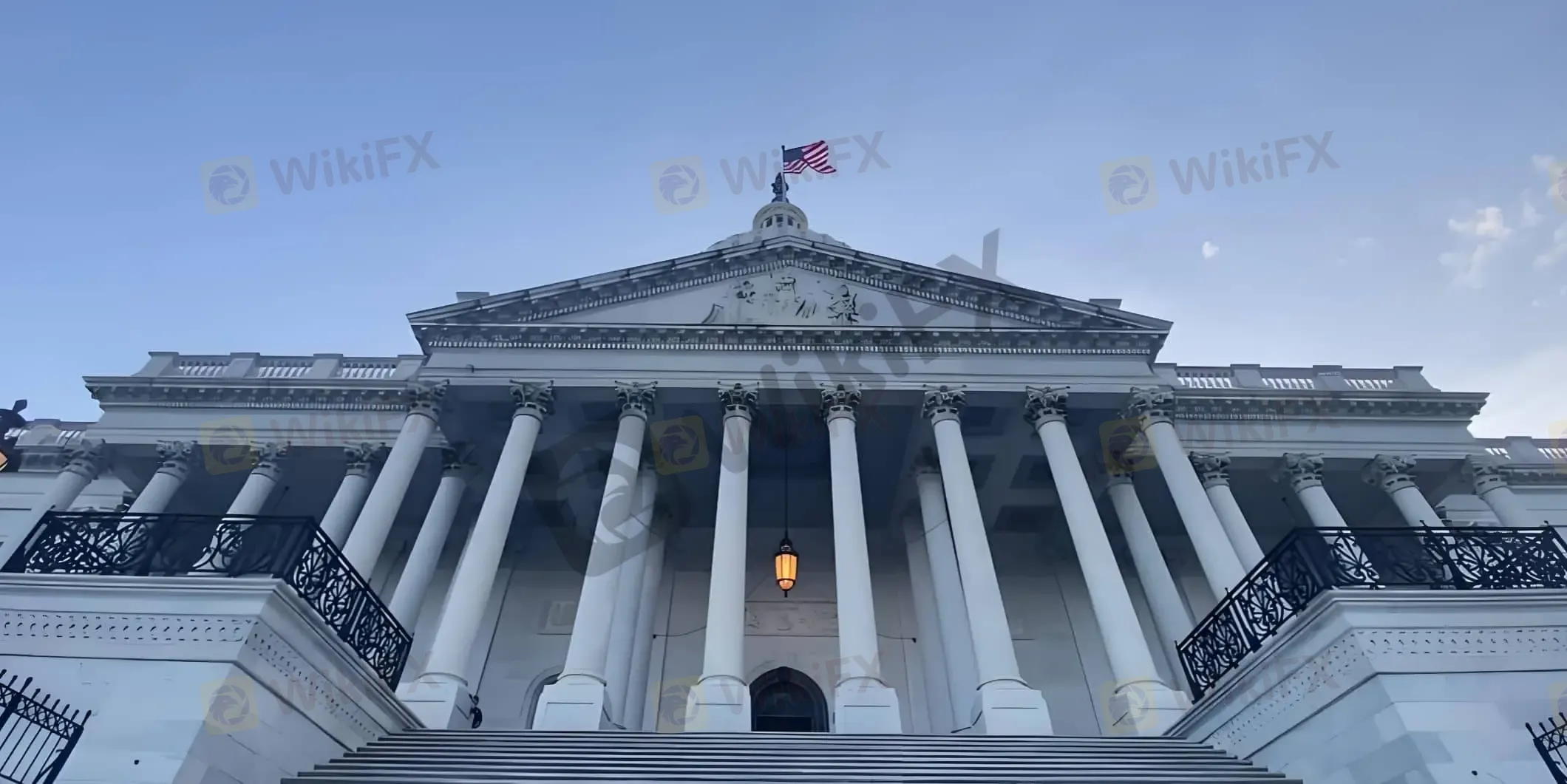
New Federal Reserve Chair Kevin Warsh appeared before the U.S. House Financial Services Committee for the first time since taking office and presented the Fed‘s semiannual Monetary Policy Report to Congress. The hearing marked his first congressional testimony as Fed Chair and provided markets with a clearer view of the central bank’s future policy direction. Lawmakers questioned him on a wide range of topics, including monetary policy reform, central bank independence, artificial intelligence, and lessons from the global financial crisis, while Warsh outlined his policy philosophy and reform agenda in detail.
Warsh said the Federal Reserve has established five reform task forces focusing on policy communication, balance sheet management, economic data analysis, productivity and employment, and the inflation framework. He explained that these initiatives are intended to improve the policymaking process. According to Warsh, the findings of each task force will first be submitted to the Federal Open Market Committee (FOMC) for discussion before being officially released by the Federal Reserve, ensuring that major reforms are thoroughly evaluated while enhancing policy transparency and communication with financial markets.
Addressing the highly watched balance sheet policy, Warsh stressed that any future adjustments to the pace of quantitative tightening or policy tools would be accompanied by extensive communication with both markets and Congress before implementation. He argued that maintaining stable market expectations depends not only on the policies themselves but also on clear and effective communication, making policy transparency a key pillar of the Feds reform agenda.
Responding to questions regarding political pressure, Warsh reaffirmed that the Federal Reserve, as an independent central bank, will continue to make policy decisions based on the law and economic data rather than external political influence. He emphasized that preserving the Feds independence is essential not only for maintaining policy credibility but also for safeguarding long-term financial stability, and that all major decisions will continue to be guided by professional judgment and institutional principles.
Discussing the outlook for artificial intelligence, Warsh said AI is emerging as a new driver of the U.S. economy. While it remains difficult to accurately measure its ultimate contribution, he expects continued technological adoption to improve productivity, business investment, job quality, and household income over time. At the same time, he acknowledged that technological progress could reshape certain industries and labor markets, requiring the economy to undergo a period of adjustment.
Warsh also reflected on the lessons learned from the 2008 global financial crisis. He said the crisis reinforced the importance of coordination among regulatory authorities and prompted him to reassess the long-term effects of quantitative easing. Although he believes the extraordinary policy measures implemented during the crisis played a positive role, he also argued that the framework governing balance sheet management should continue to evolve. As a result, the relevant reform task force is currently reviewing the existing policy framework to support future adjustments.
From FXTRADING‘s perspective, the key takeaway from this hearing was not an imminent shift in monetary policy but the Federal Reserve’s commitment to advancing long-term institutional reforms. As these reforms gradually take shape, improvements in policy communication, balance sheet management, and decision-making transparency could strengthen the predictability of monetary policy. Meanwhile, the Feds decision to incorporate artificial intelligence into its long-term economic research also suggests that technological innovation will play an increasingly important role in macroeconomic policy assessments, with potentially lasting implications for both the U.S. financial system and central bank reforms worldwide.
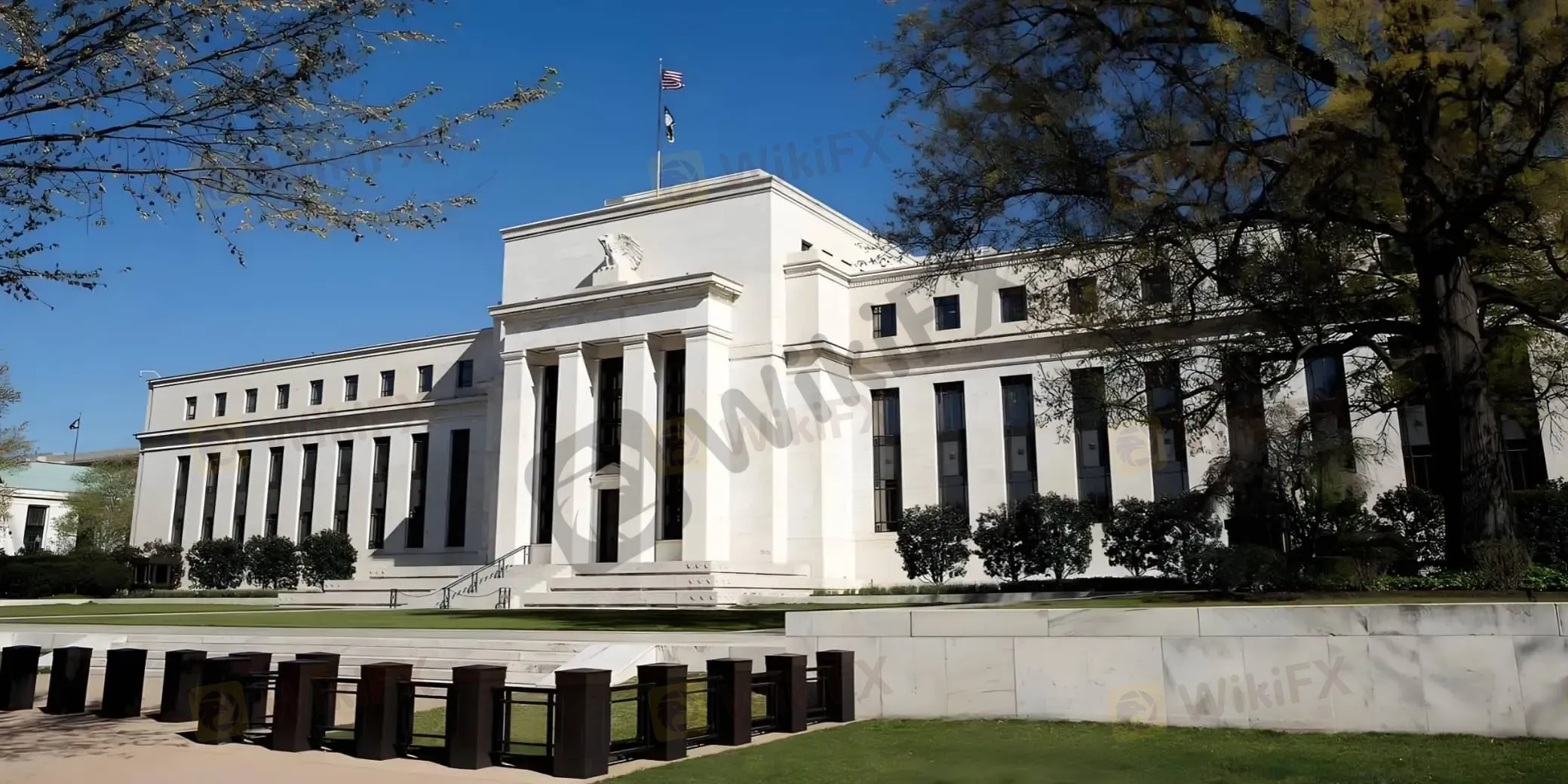
(For more insights into global macroeconomic trends and market developments, please follow FXTRADINGs official updates. This information is provided for reference only and does not constitute any form of investment advice.)
Disclaimer:
The views in this article only represent the author's personal views, and do not constitute investment advice on this platform. This platform does not guarantee the accuracy, completeness and timeliness of the information in the article, and will not be liable for any loss caused by the use of or reliance on the information in the article.
WikiFX Broker
Latest News
Axim Trade Review: Withdrawal Alarms, Weak Regulation, and a Broker Risk Traders Cannot Ignore
 WikiFX
Tracking Institutional Footprints Before the Market Reverses
WikiFXHow Trailing Stops Protect Profits in Forex Day Trading
WikiFXYen Weighs Intervention Risks as Dollar Steadies
WikiFXHow Forex Scalping Targets Small Price Gap Movements
WikiFXFizmo Fx Markets Review 2026: Complaints, Withdrawals, and Risk Signals
WikiFXSEVEN STAR FX Review 2026: Unregulated Status, Complaints, and Key Risks
WikiFXCabana Capital Review 2026: Unregulated Warnings and Withdrawal Risks
WikiFXFortune Prime Global Review 2026: Should You Trade with This Broker?
WikiFXHong Kong SFC Requires Brokers to Strengthen Account Security Against Phishing Risks
WikiFX