

Global Broker Regulation Inquiry App
About WikiFX
English
简体中文
繁體中文
English
Pусский
日本語
ภาษาไทย
Tiếng Việt
Bahasa Indonesia
Español
हिन्दी
Filippiiniläinen
Français
Deutsch
Português
Türkçe
한국어
العربية
اردو
ETO Markets TrendWatch|2026 FIFA World Cup: A Multi Billion Dollar Commercial Engine
Abstract:The 2026 United World Cup hosted across the United States, Canada and Mexico is not only the largest World Cup in history, but also a concentrated showcase of FIFAs expanding commercial capabilities.F
The 2026 United World Cup hosted across the United States, Canada and Mexico is not only the largest World Cup in history, but also a concentrated showcase of FIFAs expanding commercial capabilities.
For fans, this is likely the final collective appearance of a generation of stars including Lionel Messi, Cristiano Ronaldo, Manuel Neuer and Luka Modric. For the commercial world, it resembles an upgraded content engine. More teams, more matches, a longer schedule and more sponsors mean amplified emotions, traffic, advertising inventory and consumption scenarios.
Revenue Outlook
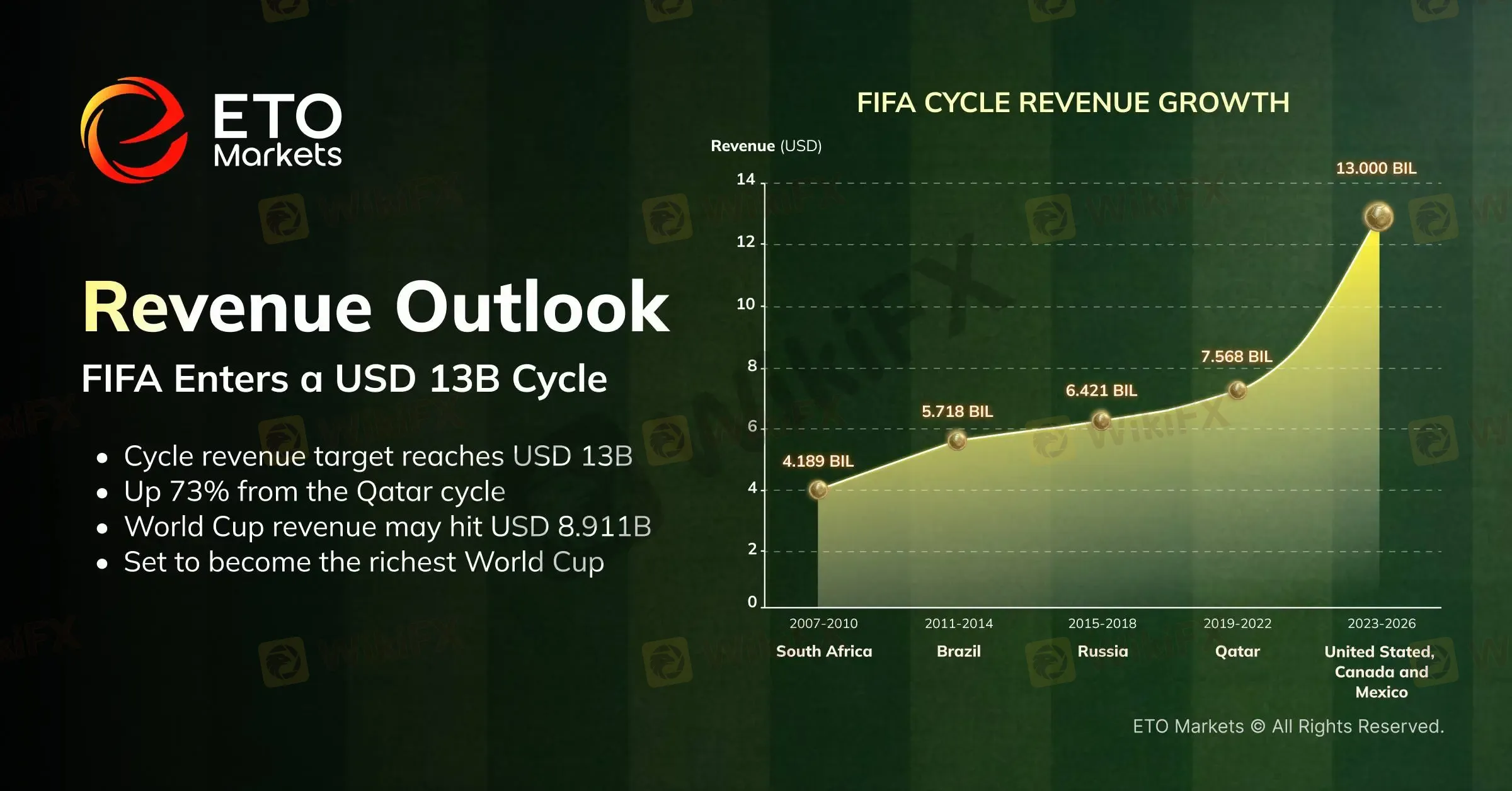
FIFAs revenue trajectory across past World Cup cycles has been consistently upward. The 2007 to 2010 South Africa cycle generated 4.189 billion US dollars. The 2011 to 2014 Brazil cycle rose to 5.718 billion US dollars. The 2015 to 2018 Russia cycle reached 6.421 billion US dollars. The 2019 to 2022 Qatar cycle climbed further to 7.568 billion US dollars. For the 2023 to 2026 cycle, which includes the United World Cup, total revenue is projected to reach 13 billion US dollars.
Compared with the Qatar cycle, this represents a 73 percent increase. The tournament itself is expected to contribute 8.911 billion US dollars, surpassing the total revenue of several previous full cycles. By any measure, this will be the most commercially successful World Cup in history.
Broadcast Rights
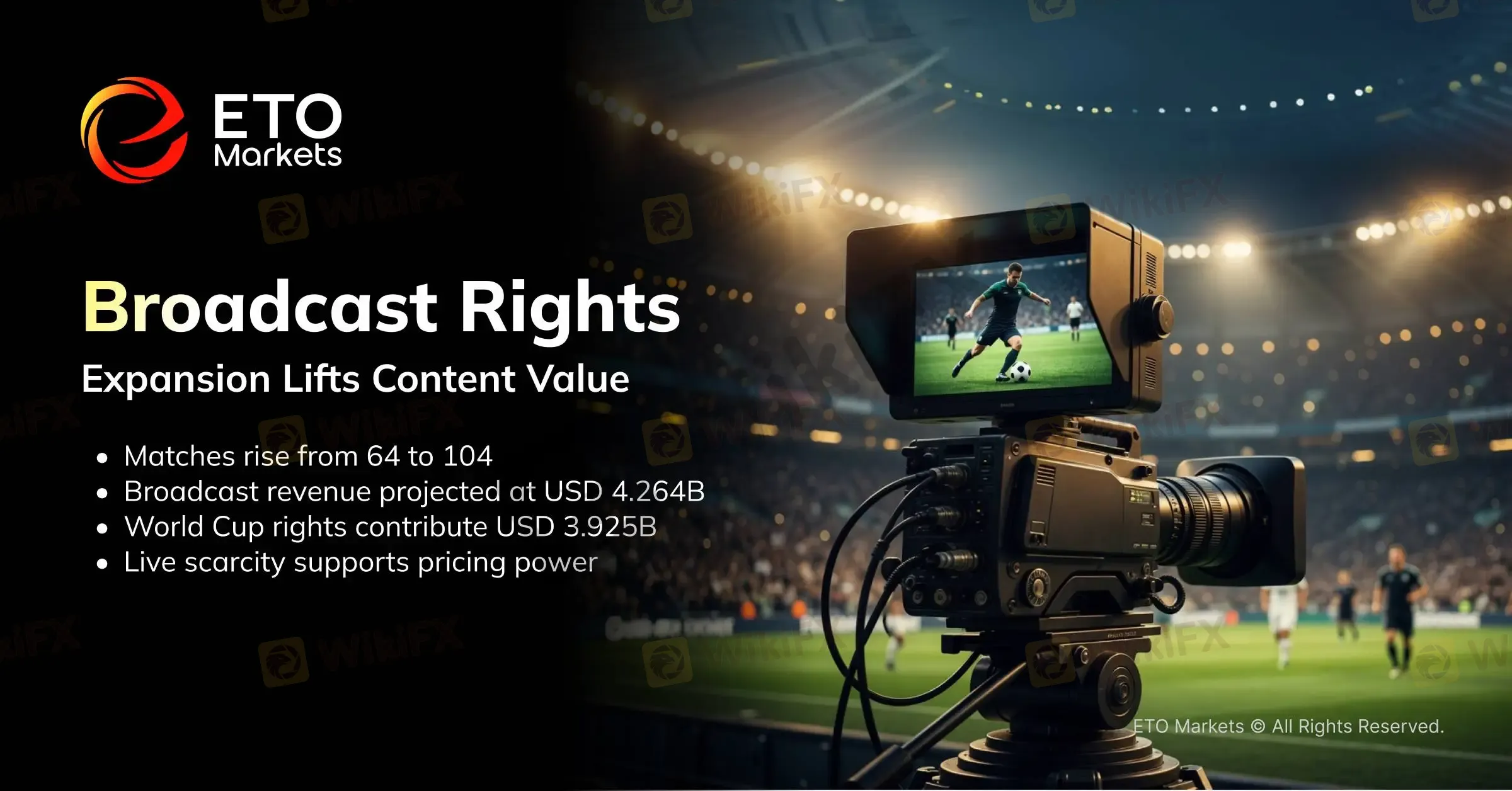
With the expansion to 48 teams, the number of matches has increased from 64 to 104, reshaping the pricing logic of broadcast rights. FIFAs broadcast revenue for the cycle is projected at 4.264 billion US dollars, with World Cup related broadcasting contributing 3.925 billion US dollars. The increase is driven not only by pricing, but by the enlarged content inventory and advertising slots.
More matches mean more prime time windows, more regional markets and more advertising opportunities. Broadcasters and digital platforms can tailor content for different teams, regions and language markets. Live sports remain irreplaceable, and the World Cup is one of the few global events capable of attracting massive simultaneous audiences. This scarcity underpins the long standing pricing power of World Cup broadcast rights.
Sponsorship Landscape
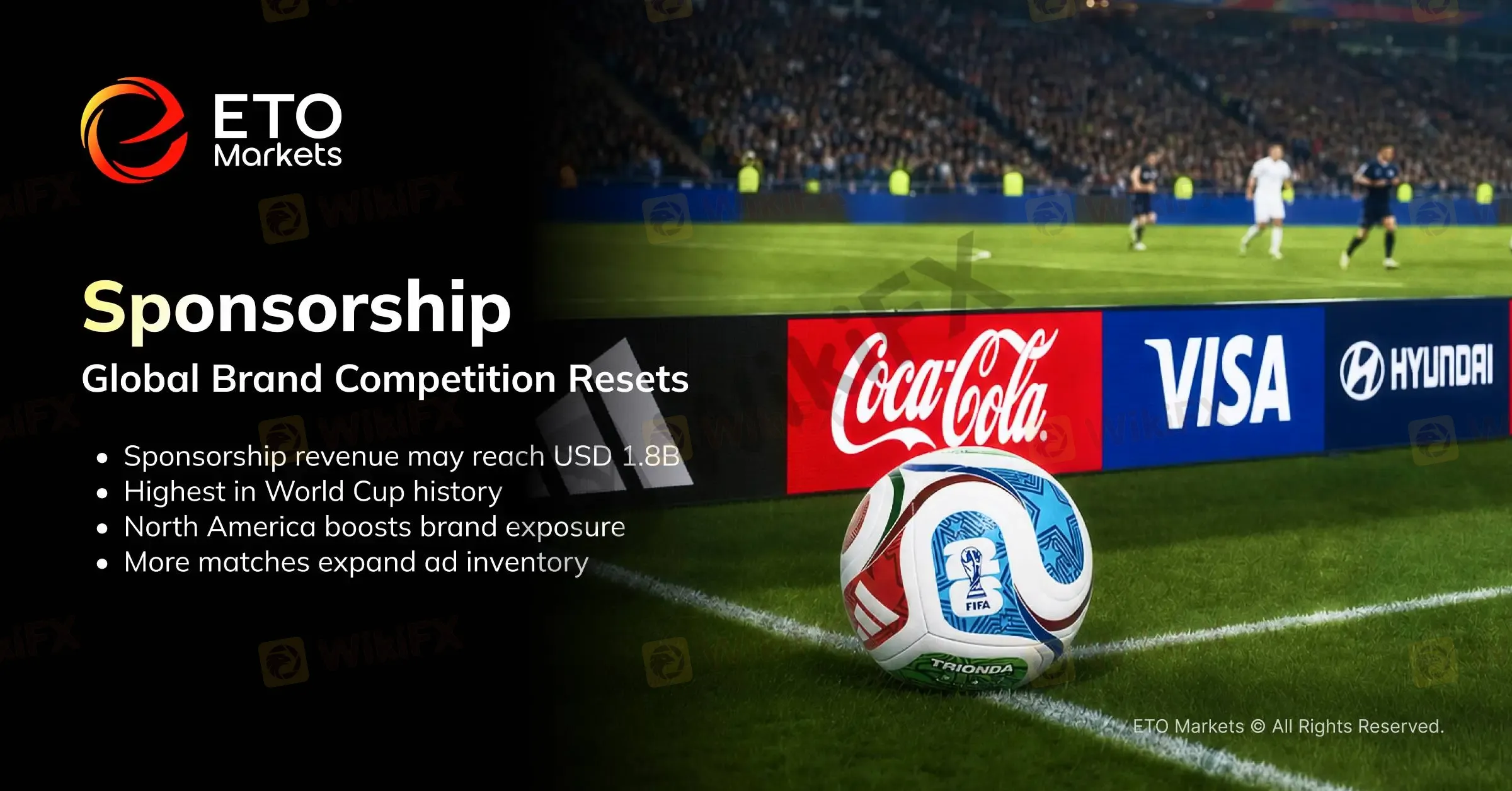
Marketing and sponsorship revenue for the tournament is expected to reach 1.8 billion US dollars, the highest in World Cup history and a record for any single sporting event.
FIFA‘s partnership structure is clearly tiered. Top tier global partners include adidas, Coca Cola, Hyundai Kia, Aramco, Qatar Airways, Lenovo and Visa. Second tier World Cup global sponsors include AB InBev, McDonald’s, Verizon, Lays, Bank of America, Dove, Hisense and Mengniu. Partner rights cover official branding, on site and off site visibility, digital and print exposure, hospitality and priority access to broadcast advertising.
Hosting the tournament in North America is particularly significant for sponsors. The United States is one of the worlds most mature markets for advertising, sports marketing and consumer finance, and brands are willing to pay for higher exposure, stronger conversion and broader reach.
Ticketing
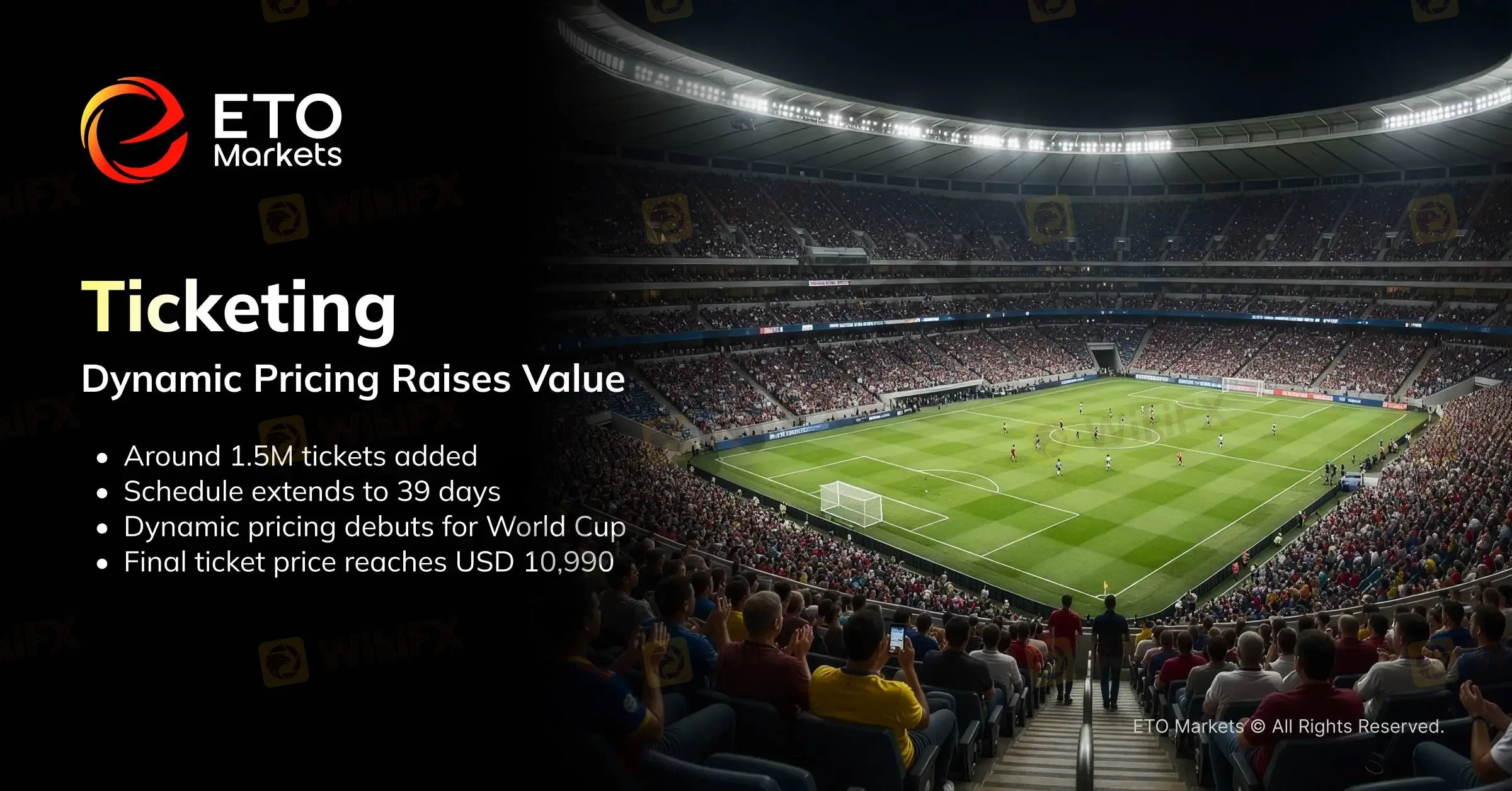
One of the most debated and commercially transformative aspects of the 2026 World Cup is ticketing. The tournament adds around 1.5 million tickets and extends the schedule to 39 days. For the first time, FIFA is implementing dynamic pricing, allowing ticket prices to adjust automatically based on demand and match popularity.
This mechanism turns World Cup tickets into highly financialized scarce assets. Public data shows that the price of the 2026 final ticket rose from 8,680 US dollars in December 2025 to 10,990 US dollars in April 2026, compared with 1,000 US dollars for the 2018 Russia final.
The World Cup increasingly resembles a blend of concerts, the Super Bowl and luxury auctions. Popular matches push price ceilings higher, while broader match availability increases accessibility. More fans can participate, but core matches are becoming significantly more expensive.
Expanded Format
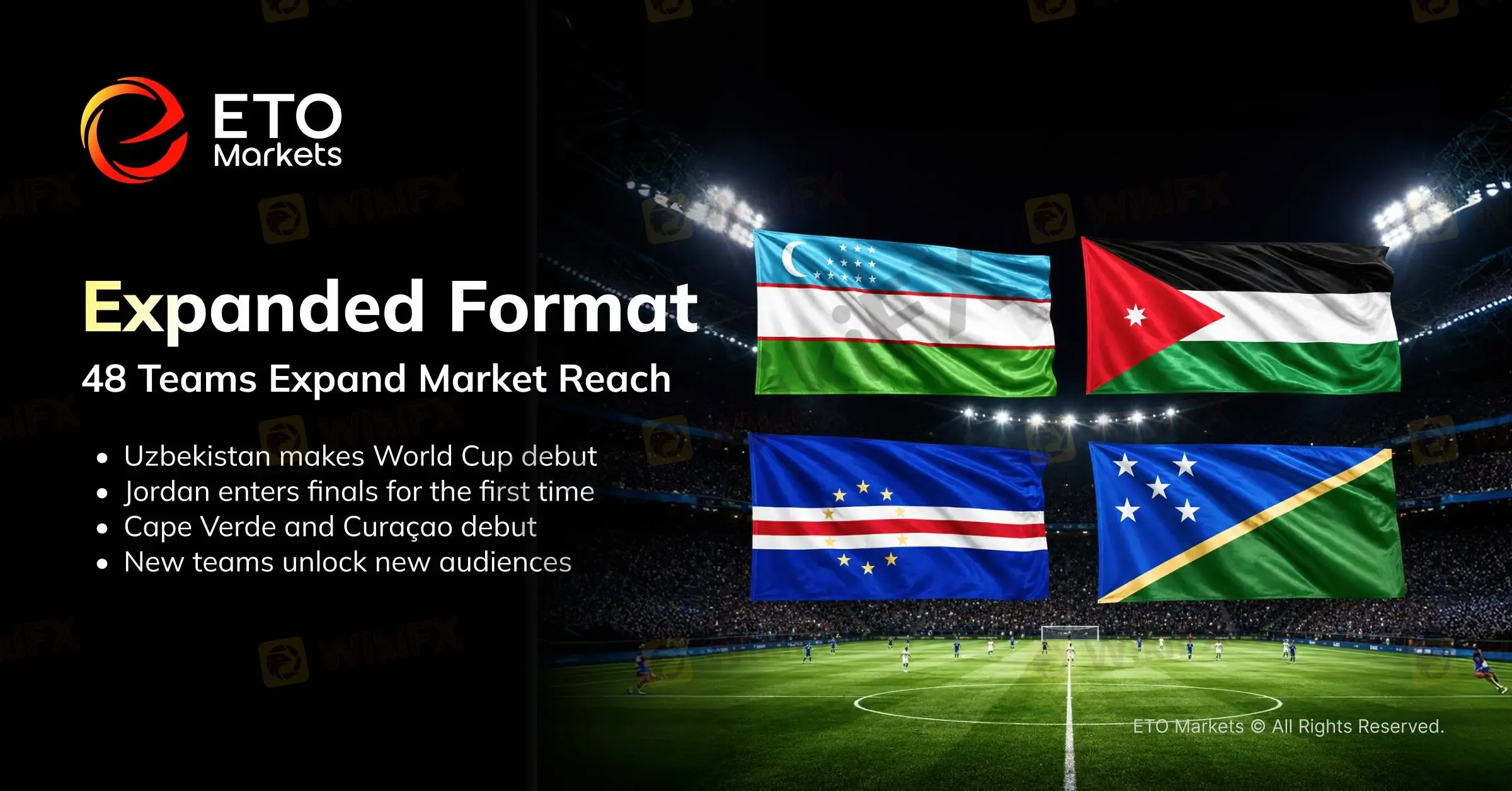
The expansion to 48 teams brings first time participants including Uzbekistan, Jordan, Cape Verde and Curaçao. Their world rankings range from 58 to 81. Their inclusion represents not only competitive expansion but commercial expansion.
Historically, World Cup attention has centered on traditional powerhouses in Europe and South America. With expansion, engagement from Asia, Africa, North and Central America and the Caribbean increases significantly. For FIFA, new teams mean new markets, new fans, new advertising reach and new broadcast negotiations.
This is the core commercial value of expansion. Even if some matches face competitive scrutiny, more participating countries bring more media, brands, fans and government resources into the World Cup ecosystem.
Disclaimer:
The views in this article only represent the author's personal views, and do not constitute investment advice on this platform. This platform does not guarantee the accuracy, completeness and timeliness of the information in the article, and will not be liable for any loss caused by the use of or reliance on the information in the article.
WikiFX Broker
Latest News
Axim Trade Review: Withdrawal Alarms, Weak Regulation, and a Broker Risk Traders Cannot Ignore
 WikiFX
Tracking Institutional Footprints Before the Market Reverses
WikiFXHow Trailing Stops Protect Profits in Forex Day Trading
WikiFXYen Weighs Intervention Risks as Dollar Steadies
WikiFXHow Forex Scalping Targets Small Price Gap Movements
WikiFXFizmo Fx Markets Review 2026: Complaints, Withdrawals, and Risk Signals
WikiFXSEVEN STAR FX Review 2026: Unregulated Status, Complaints, and Key Risks
WikiFXCabana Capital Review 2026: Unregulated Warnings and Withdrawal Risks
WikiFXFortune Prime Global Review 2026: Should You Trade with This Broker?
WikiFXHong Kong SFC Requires Brokers to Strengthen Account Security Against Phishing Risks
WikiFX