

Global Broker Regulation Inquiry App
About WikiFX
English
简体中文
繁體中文
English
Pусский
日本語
ภาษาไทย
Tiếng Việt
Bahasa Indonesia
Español
हिन्दी
Filippiiniläinen
Français
Deutsch
Português
Türkçe
한국어
العربية
اردو
FXTRADING Financial Focus (Asia-Pacific 07/13)U.S. Streamlines Nuclear Approvals
Abstract:U.S. nuclear regulatory policy is undergoing a significant shift. The U.S. Nuclear Regulatory Commission (NRC) has recently unveiled a new reform proposal aimed at redefining the scope of environmenta
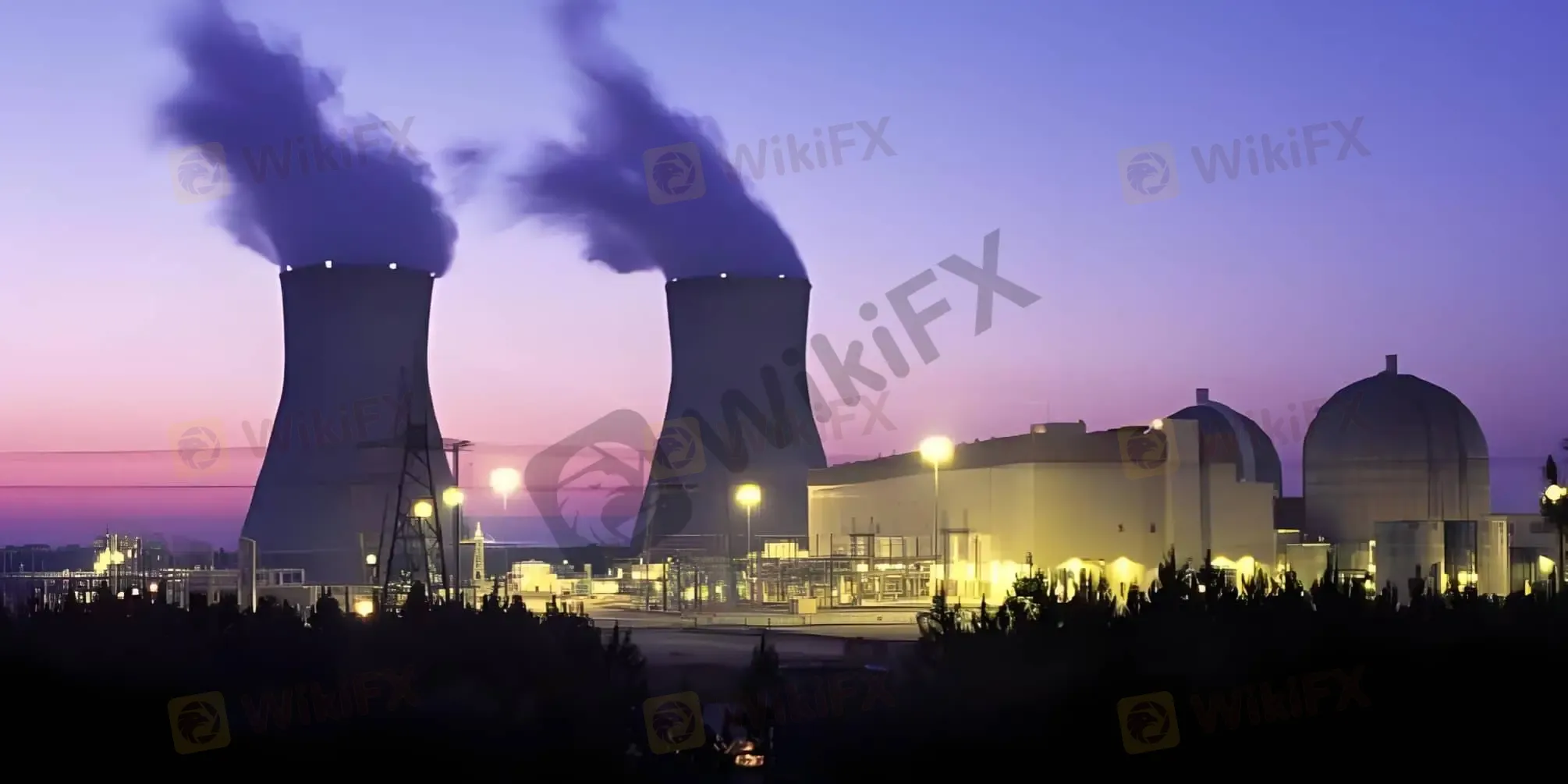
U.S. nuclear regulatory policy is undergoing a significant shift. The U.S. Nuclear Regulatory Commission (NRC) has recently unveiled a new reform proposal aimed at redefining the scope of environmental reviews for nuclear power projects, with the goal of concentrating the approval process on issues directly related to nuclear safety. As the United States continues to expand its nuclear power sector, the regulatory framework is moving toward a more streamlined and efficient model, a change that has quickly attracted widespread attention from both the market and environmental groups.
Under the latest proposal, certain nuclear projects would no longer be required to undergo the full environmental review process previously mandated. This includes license renewal applications for some existing reactors and qualified advanced reactor projects, which may become eligible for categorical exemptions from environmental reviews. For projects that still require assessment, the NRC also plans to narrow the scope of review, focusing only on environmental impacts that fall within its statutory responsibilities.
Compared with the broader assessment framework used in the past, the new proposal explicitly removes issues such as dust, construction noise, and general air pollution from the NRC's review priorities. The agency argues that these matters fall under the jurisdiction of other government authorities rather than its own regulatory responsibilities. Regulators believe this approach will reduce duplicated reviews, improve administrative efficiency, and provide developers with greater certainty throughout the approval process.
In addition to revising the scope of environmental reviews, the proposal would also change the public participation process. Under the current plan, draft environmental assessments may no longer be released for public comment, significantly shortening the period during which the public can provide feedback. Public participation would mainly take place during the early stages of project review, leaving fewer opportunities for stakeholders to access information and submit comments before the final environmental analysis is completed.
The NRC emphasized that the reform is not intended to weaken nuclear safety standards but rather to concentrate regulatory resources on issues directly related to radiation safety and operational risks at nuclear facilities. The Commission believes that streamlining the approval process will help shorten project development timelines, improve licensing efficiency, and at the same time maintain the necessary level of environmental protection.
However, the proposal has also drawn criticism from a number of professional organizations. Some nuclear safety experts argue that reducing environmental review requirements under the National Environmental Policy Act (NEPA) could limit public access to information about the potential risks associated with nuclear facilities and weaken public oversight. Environmental groups also warn that reduced disclosure could lower transparency for major projects and undermine public trust. Meanwhile, the NRC has recently proposed revisions to several long-standing nuclear safety regulations, indicating that the overall regulatory direction is gradually shifting toward fewer approval constraints in line with the U.S. objective of expanding its nuclear power capacity.
From FXTRADING's perspective, the United States is accelerating nuclear power development by optimizing its regulatory framework, which could support further investment in nuclear energy, equipment manufacturing, and related supply chains while strengthening energy security and improving power system reliability. At the same time, adjusting the regulatory balance means policymakers must carefully weigh approval efficiency against public oversight, environmental transparency, and public confidence. If future reforms can successfully balance faster approvals with robust safety management, the pace of U.S. nuclear industry development could accelerate further. However, if controversy continues to intensify, the implementation of these policies may be subject to ongoing revisions and adjustments.
Disclaimer:
The views in this article only represent the author's personal views, and do not constitute investment advice on this platform. This platform does not guarantee the accuracy, completeness and timeliness of the information in the article, and will not be liable for any loss caused by the use of or reliance on the information in the article.
WikiFX Broker
Latest News
trading.com Review 2026: Regulation, MT5 Access, and Complaint Signals
 WikiFX
Behind The Screenshots: The Forex Success You See Online May Not Be Real
WikiFXThe NFP Gap Slippage: Why Your 1.1000 Stop Executed at 1.0950
WikiFXFBS Review 2026: Complaints, Withdrawals, and Risk Signals
WikiFXDollar Gains While Yen Finds Support
WikiFXDollar Advances on Middle East Conflict
WikiFXThe 3-Bullet Rule: How a Paper Card Stops Overtrading
WikiFXVALUTRADES Review 2026: Slippage Complaints, Regulation, and Safety Risks
WikiFXQuotex Review 2026: Official Warnings, Blocked Accounts, and High Risk
WikiFXAxim Trade Review: Withdrawal Alarms, Weak Regulation, and a Broker Risk Traders Cannot Ignore
WikiFX