

Global Broker Regulation Inquiry App
About WikiFX
English
简体中文
繁體中文
English
Pусский
日本語
ภาษาไทย
Tiếng Việt
Bahasa Indonesia
Español
हिन्दी
Filippiiniläinen
Français
Deutsch
Português
Türkçe
한국어
العربية
اردو

Market Focus Harmovest Capital | Gold Under Pressure Despite U.S.-Iran Clashes?
Abstract:Key HighlightsThe Reserve Bank of New Zealand (RBNZ) raised its Official Cash Rate (OCR) by 25 basis points.Escalating U.S.-Iran tensions have boosted safe-haven demand.The U.S. Dollar Index remains s
Key Highlights
The Reserve Bank of New Zealand (RBNZ) raised its Official Cash Rate (OCR) by 25 basis points.
Escalating U.S.-Iran tensions have boosted safe-haven demand.
The U.S. Dollar Index remains strong, putting pressure on gold prices.
Market ReviewRBNZ Raises Interest Rates by 25 Basis Points
The Reserve Bank of New Zealand's Monetary Policy Committee unanimously agreed to raise the Official Cash Rate (OCR) by 25 basis points to 2.50%.
Following the partial reopening of the Strait of Hormuz, global crude oil and petrochemical prices have declined, easing short-term inflationary pressures.
Although energy prices have moderated, uncertainty surrounding the medium-term inflation outlook remains. The RBNZ believes that further monetary tightening is necessary to return inflation to its 2% target while avoiding unnecessary economic instability.
The global economy has remained resilient, supported by continued investment in artificial intelligence, defense spending, and economic security initiatives.
Inflation among New Zealand's major trading partners remains elevated but is expected to gradually decline toward 2% by 2027. Global interest rates are also expected to remain higher for longer.
New Zealand's economic recovery had begun before the escalation of Middle East tensions, but higher energy prices weakened economic momentum during the second quarter. As confidence improves and external pressures ease, growth is expected to recover in the third quarter.
Future monetary policy decisions will remain data-dependent. Should inflation continue to stay above target, further rate hikes cannot be ruled out.
Affected Markets: NZD, Gold, S&P 500
U.S.-Iran Conflict Escalates Again
After President Trump declared the previous ceasefire agreement had ended, military conflict between the United States and Iran resumed. U.S. forces launched a new wave of airstrikes on multiple military targets near the Strait of Hormuz, while Iran retaliated by targeting U.S. military bases in Bahrain and Kuwait.
According to U.S. Central Command, approximately 90 military targets were struck, including air defense systems, coastal surveillance facilities, missile launch sites, drone bases, and logistics infrastructure, aiming to weaken Iran's military capabilities around the Strait of Hormuz.
Iran reiterated that security arrangements in the Strait of Hormuz should remain under Iranian control and accused the United States of violating previous peace understandings.
The renewed military confrontation has further undermined peace negotiations and heightened market concerns over prolonged geopolitical tensions in the Middle East.
Meanwhile, the United States revoked Iran's oil export authorization, intensifying economic sanctions against Tehran.
Affected Markets: U.S. Dollar, Gold, S&P 500
Market Summary
Renewed tensions between the United States and Iran have significantly increased safe-haven demand, driving capital flows into the U.S. dollar and supporting continued strength in the U.S. Dollar Index. As a result, gold remains under short-term pressure and is expected to maintain a bearish bias despite heightened geopolitical risks.
Today's Key Events
FOMC Meeting Minutes
U.S. Initial Jobless Claims
Markets will closely monitor the release of the FOMC Meeting Minutes for further clues on the Federal Reserve's policy outlook. Meanwhile, the U.S. Initial Jobless Claims report will provide additional insight into labor market conditions. A reading above expectations could reinforce concerns about slowing U.S. economic growth.
Affected Markets
U.S. Dollar
Precious Metals (Gold, Silver, Platinum)
U.S. Equity Indices
Today's Trading Strategy: Sell Precious Metals
Market Sentiment AnalysisFear & Greed Index
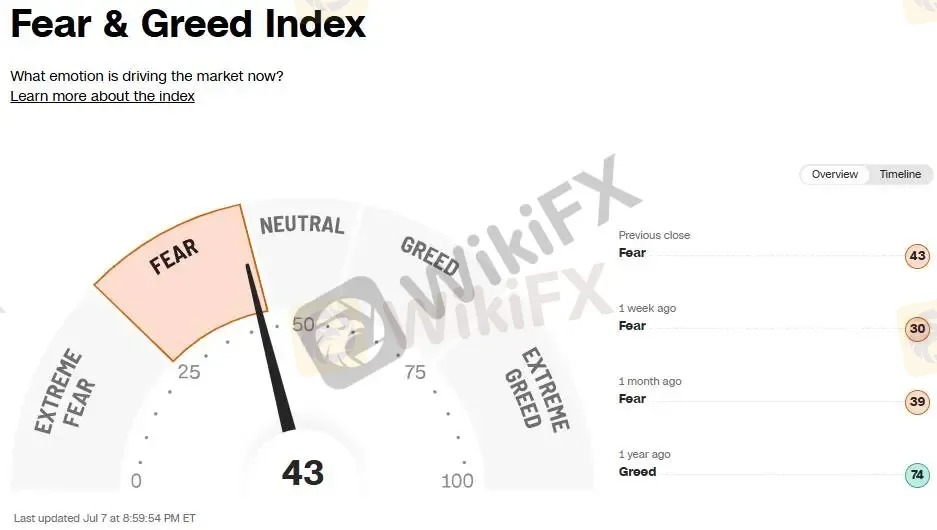
The latest Fear & Greed Index stands at 43, up from the previous reading of 36. While market sentiment has improved slightly, it remains within the Fear zone, indicating that investors continue to adopt a cautious approach.
As geopolitical tensions between the United States and Iran intensify once again, safe-haven demand has strengthened, providing support for the U.S. dollar. However, capital has primarily flowed into the dollar rather than gold, leaving precious metals under short-term pressure while overall market risk appetite remains cautious.
Technical AnalysisXAUUSD
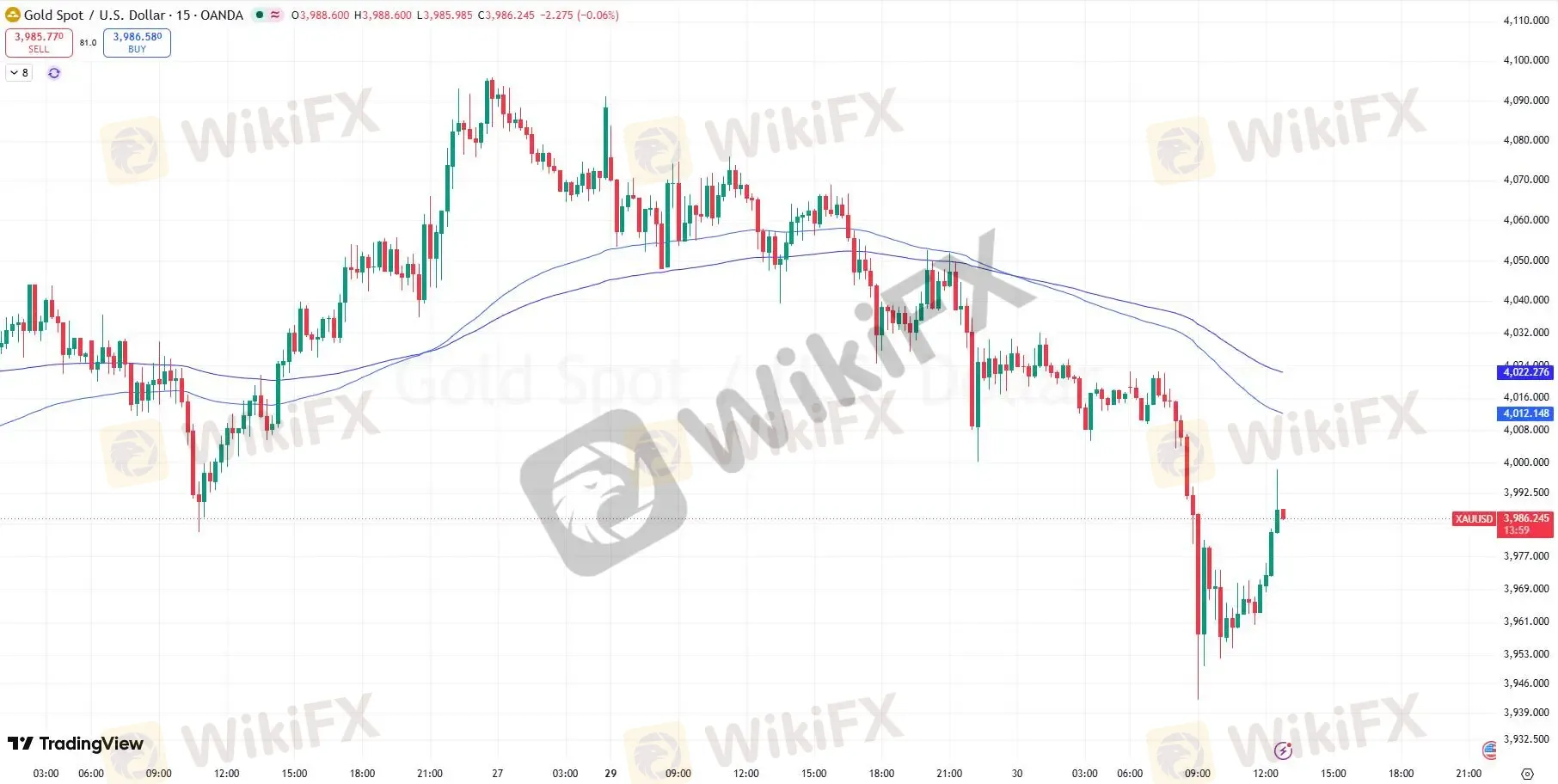
Gold has broken below both the EMA89 and EMA144, confirming a clear bearish trend. Price action has also formed a distinct bearish N-shaped pattern, indicating that sellers continue to dominate the market.
As long as gold remains below these key moving averages, downside risks are likely to persist. The preferred short-term strategy is to sell on rallies, while closely monitoring key support levels for potential breakout opportunities.
Disclaimer:
The views in this article only represent the author's personal views, and do not constitute investment advice on this platform. This platform does not guarantee the accuracy, completeness and timeliness of the information in the article, and will not be liable for any loss caused by the use of or reliance on the information in the article.
WikiFX Broker
Latest News
TRANS X MARKETS Review 2026: Unregulated Status and Serious Withdrawal Complaints
 WikiFX
RyvoTrade Review 2026: Unregulated Status and Withdrawal Complaints
WikiFXPhillip Nova Review 2026: Should You Trade with This Broker?
WikiFXGFS Review 2026: Withdrawal Complaints, Weak Regulation Data, and Account Access Risks
WikiFXYen Firms While Dollar Pauses
WikiFXStoneX Review 2026: Should You Trade with This Broker?
WikiFXThinking About KATOPRIME? What Every Trader Should Know Before Depositing Funds
WikiFXYour Backtesting Results Mean Nothing If You Ignore This One Live Trading Reality
WikiFXHow Pig Butchering Scams Drain Beginner Trading Accounts
WikiFXWeltrade Review 2026: Is This Forex Broker Safe?
WikiFX