

Global Broker Regulation Inquiry App
About WikiFX
English
简体中文
繁體中文
English
Pусский
日本語
ภาษาไทย
Tiếng Việt
Bahasa Indonesia
Español
हिन्दी
Filippiiniläinen
Français
Deutsch
Português
Türkçe
한국어
العربية
اردو
FXTRADING Financial Focus (Asia-Pacific 07/08)US Advances Strategic Bitcoin Reserve
Abstract:The United States is accelerating its national digital asset strategy, with the White House studying the creation of a Strategic Bitcoin Reserve alongside a broader digital asset management framework.
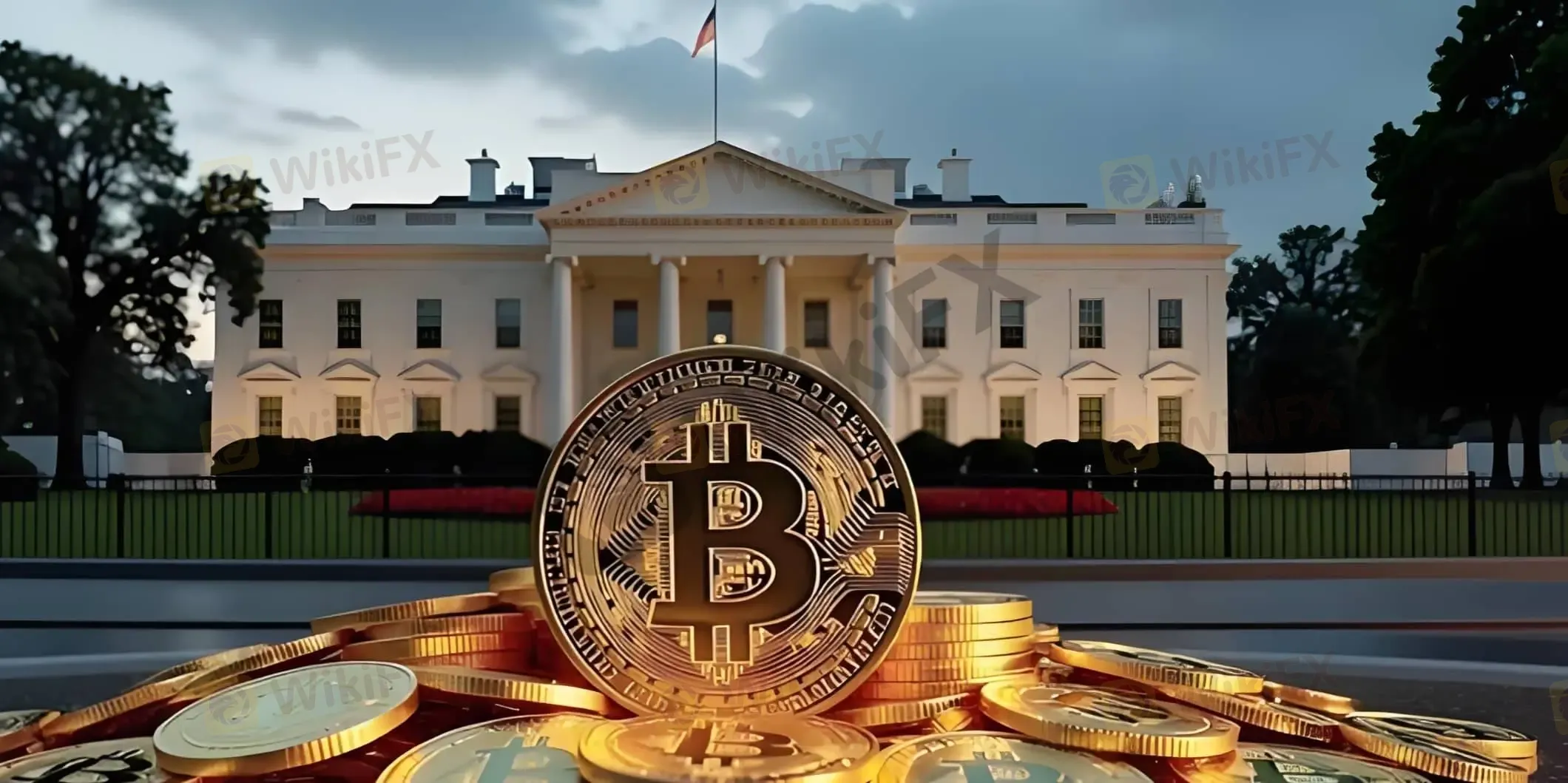
The United States is accelerating its national digital asset strategy, with the White House studying the creation of a Strategic Bitcoin Reserve alongside a broader digital asset management framework. The goal is to incorporate federally held digital assets into a long-term national strategy instead of continuing the previous practice of auctioning off confiscated assets through judicial proceedings. If implemented, the initiative would mark the first time the US has systematically integrated digital assets into its national financial strategy, shifting Bitcoins role from an asset for disposal to a long-term strategic reserve.
However, the reserve plan still faces regulatory restructuring. The Trump administration previously proposed through an executive order that the US Treasury Department should manage the Strategic Bitcoin Reserve, while other federal agencies would assist in asset collection. Given Bitcoins high price volatility, questions remain over whether the Treasury is the most suitable authority to oversee such assets. The US Department of Commerce has since emerged as an alternative candidate, while the Department of Justice is also conducting legal assessments. The White House is continuing to coordinate among relevant agencies in an effort to finalize the framework as soon as possible.
In fact, the US government has already accumulated a substantial amount of Bitcoin through operations targeting darknet marketplaces, ransomware groups, and other criminal activities. It currently holds approximately 328,372 BTC, valued at around US$21.1 billion, making it the world's largest government holder of Bitcoin. Previously, these holdings were typically auctioned in batches by the US Marshals Service. Under a Strategic Bitcoin Reserve, however, these assets would be retained primarily as long-term reserve assets rather than being continuously released into the market.
Meanwhile, the US Congress is also working to strengthen the legal framework. The BITCOIN Act and the ARMA Act, introduced in May this year, propose establishing a reserve of one million Bitcoin over the next five years without increasing the federal budget deficit. The ARMA Act further strengthens asset protection by requiring the reserve to be held for at least 20 years in principle, allowing sales only under exceptional circumstances such as repaying significant national debt. This would provide a more stable legal foundation for the long-term operation of the reserve.
Globally, an increasing number of countries are beginning to explore sovereign digital asset reserves. More than a dozen countries currently hold Bitcoin, but El Salvador remains the leading example of a nation that has established a long-term reserve framework while continuing to accumulate holdings. If the United States formally adopts a Strategic Bitcoin Reserve, it would not only transform its own approach to digital asset management but could also encourage other countries to reassess Bitcoin's role within official reserve portfolios.
As the regulatory framework becomes clearer, market concerns over large-scale government Bitcoin sales are likely to ease, while policy uncertainty surrounding digital assets could gradually decline. For financial institutions, custodians, and related businesses, a more transparent regulatory framework would help improve industry standards, strengthen institutional confidence, and further integrate digital assets into the US financial system.
From FXTRADING's perspective, the US initiative to establish a Strategic Bitcoin Reserve reflects the growing importance of digital assets within national financial strategies and signals that global digital asset regulation is steadily moving toward a more institutionalized and long-term framework. Although questions regarding regulatory authority and implementation details remain unresolved, successful progress on this initiative could further advance global digital asset governance and have far-reaching implications for the future development of the international financial infrastructure.
(For more insights into global macroeconomic trends and market developments, please follow FXTRADINGs official updates. This information is provided for reference only and does not constitute any form of investment advice.)
Disclaimer:
The views in this article only represent the author's personal views, and do not constitute investment advice on this platform. This platform does not guarantee the accuracy, completeness and timeliness of the information in the article, and will not be liable for any loss caused by the use of or reliance on the information in the article.
WikiFX Broker
Latest News
StoneX Review 2026: Should You Trade with This Broker?
 WikiFX
Yen Firms While Dollar Pauses
WikiFXGFS Review 2026: Withdrawal Complaints, Weak Regulation Data, and Account Access Risks
WikiFXTRANS X MARKETS Review 2026: Unregulated Status and Serious Withdrawal Complaints
WikiFXRyvoTrade Review 2026: Unregulated Status and Withdrawal Complaints
WikiFXPhillip Nova Review 2026: Should You Trade with This Broker?
WikiFXThinking About KATOPRIME? What Every Trader Should Know Before Depositing Funds
WikiFXYour Backtesting Results Mean Nothing If You Ignore This One Live Trading Reality
WikiFXOver US$2.9 Million Saved: Singapore's Crypto Scam Crackdown Sends a Warning to Malaysian Investors
WikiFXHow Pig Butchering Scams Drain Beginner Trading Accounts
WikiFX