


Global Broker Regulation Inquiry App
About WikiFX
English
简体中文
繁體中文
English
Pусский
日本語
ภาษาไทย
Tiếng Việt
Bahasa Indonesia
Español
हिन्दी
Filippiiniläinen
Français
Deutsch
Português
Türkçe
한국어
العربية
اردو
FXTRADING Financial Focus (Asia-Pacific 07/06)Canada Expands Energy Exports to Asia
Abstract:Canada is accelerating its energy export strategy in an effort to gradually reduce its reliance on the US market. Prime Minister Mark Carney recently unveiled a series of energy infrastructure plans,
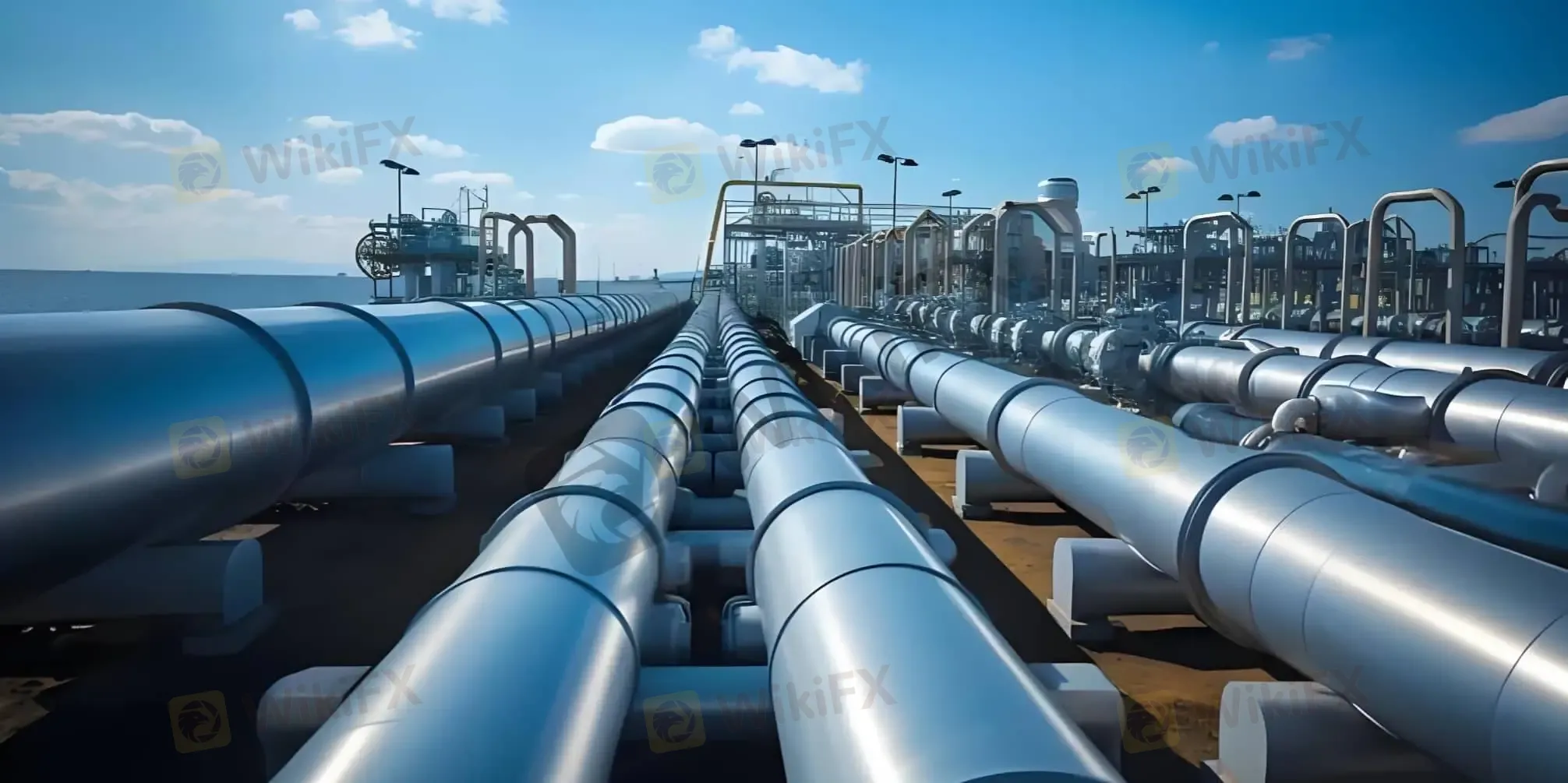
Canada is accelerating its energy export strategy in an effort to gradually reduce its reliance on the US market. Prime Minister Mark Carney recently unveiled a series of energy infrastructure plans, with the most closely watched being a new crude oil pipeline. The project is not only central to Canada's long-term energy strategy but is also seen as a key step toward expanding into Asian markets and strengthening the country's global energy competitiveness.
Under the proposal, the new pipeline will connect Alberta to the west coast of British Columbia, stretching more than 1,000 kilometers with a maximum capacity of up to one million barrels of crude oil per day. Construction is scheduled to begin before September 2027. The project will make use of the existing Trans Mountain pipeline corridor wherever possible to reduce construction costs and accelerate the approval process.
Carney said the project will be jointly developed by the state-owned Trans Mountain Corporation and Pembina Pipeline Corporation, creating a major energy export route from Canada to the Asia-Pacific region. As energy demand across Asia continues to grow, Canada hopes the new transportation network will help expand its international market share while reducing the risks associated with an overly concentrated export market.
In addition to the new pipeline, Canada plans to build five new LNG export terminals over the next decade, increasing its liquefied natural gas export capacity to more than three times its current level. The federal government will also invest approximately CAD 10 billion to upgrade the Port of Vancouver, further strengthening the country's energy transportation and export infrastructure.
The government estimates that this series of energy projects could attract more than CAD 200 billion in new direct investment, supporting energy development, port logistics, and related industries while creating additional employment opportunities. Continued improvements to energy infrastructure are also expected to enhance Canada's competitiveness within the global energy supply chain.
The Alberta provincial government has expressed strong support for the initiative and hopes to further expand crude oil production while accelerating the construction of the new pipeline. Provincial officials believe the additional export route will enable Canadian crude to reach more international markets directly, improve export flexibility, and reduce the long-term risks of relying heavily on the US market.
From FXTRADING's perspective, Canada is accelerating the diversification of its energy markets by expanding export capacity and strengthening infrastructure. If these projects are successfully implemented, they are expected to further enhance the international competitiveness of Canada's energy sector while providing long-term support for investment growth, trade expansion, and broader economic development.
(For more insights into global macroeconomic trends and market developments, please follow FXTRADINGs official updates. This information is provided for reference only and does not constitute any form of investment advice.)
Disclaimer:
The views in this article only represent the author's personal views, and do not constitute investment advice on this platform. This platform does not guarantee the accuracy, completeness and timeliness of the information in the article, and will not be liable for any loss caused by the use of or reliance on the information in the article.
WikiFX Broker
Latest News
OROKU EDGE Review 2026: Blacklist Warnings, Withdrawal Complaints, and High Leverage
 WikiFX
Reading the Market Weather: How to Identify Forex Trends and Ranges
WikiFXUsing Volatility and ATR to Fix Your Forex Stop Loss
WikiFXIs It Your Fault for Falling for an Investment Scam?
WikiFXPIPS STAR Review 2026: Unregulated Status and What Indian Traders Should Check
WikiFXHousewife Loses RM250,000 Life Savings to Ghost Investment Scheme Promising 10% Returns
WikiFXDeltaFX Review 2026: My MT5 Account Was Locked During Trade. Did the Trader Lose Everything?
WikiFXCan AI Really Improve Forex Trading? The Benefits, Risks and Hidden Limitations
WikiFXTRANS X MARKETS Review 2026: Unregulated Status and Serious Withdrawal Complaints
WikiFXRyvoTrade Review 2026: Unregulated Status and Withdrawal Complaints
WikiFXCurrency Calculator
USD

CNY
Current Rate:0
Enter amount
USD
Redeemable Amount
CNY
Calculate 