


Global Broker Regulation Inquiry App
About WikiFX
English
简体中文
繁體中文
English
Pусский
日本語
ภาษาไทย
Tiếng Việt
Bahasa Indonesia
Español
हिन्दी
Filippiiniläinen
Français
Deutsch
Português
Türkçe
한국어
العربية
اردو
FXTRADING Economic Data Summary (Asia-Pacific | 07/06)
Abstract:UK Services Sector Remains in ContractionThe UK economy continued to lose momentum at the end of the second quarter. The final SP Global UK Services PMI fell from 49.3 to 48.8 in June, marking its low

UK Services Sector Remains in Contraction
The UK economy continued to lose momentum at the end of the second quarter. The final S&P Global UK Services PMI fell from 49.3 to 48.8 in June, marking its lowest level since January 2023. Meanwhile, the Composite PMI Output Index declined from 49.7 to 49.3, remaining below the 50.0 threshold for a second consecutive month, indicating that overall business activity stayed in contraction territory, with the services sector continuing to be the main drag on the economy.
The survey showed that weak demand remained the primary challenge. New orders declined for a fourth consecutive month and recorded their steepest fall in nearly three and a half years. Both consumer spending and business investment remained cautious, while uncertainty surrounding the Middle East continued to weigh on market confidence. At the same time, lower oil prices helped slow input cost growth to its weakest pace since March, easing cost pressures for businesses, although overall operating conditions remained subdued. FXTRADING Analysis: The UK Services PMI fell to 48.8 in June, while the Composite PMI slipped to 49.3, indicating that economic growth remains weak. Although cost pressures have eased, demand is recovering only gradually, suggesting the UK economy is likely to remain under significant pressure in the near term.

Eurozone Inflation Pressures Continue to Ease
The Eurozone economy showed signs of stabilizing in June. The Composite PMI Output Index rose from 48.5 to 50.0, ending two consecutive months of contraction. The Services PMI also improved from 47.7 to 49.4. Although it remained below the 50.0 threshold, the pace of contraction eased significantly, while the manufacturing sector continued to expand.
Lower energy prices were the main driver behind the improvement. Business input costs declined noticeably, operating conditions in sectors such as leisure and tourism improved, and business confidence strengthened accordingly. As cost pressures continued to ease, market expectations for further near-term policy tightening by the European Central Bank also softened. FXTRADING Analysis: The Eurozone Composite PMI rose to 50.0 in June, while the Services PMI improved to 49.4, suggesting the economy is gradually stabilizing. Continued easing in inflation pressures provides the European Central Bank with greater flexibility to maintain its current policy stance.

Japan's Services Sector Returns to Expansion
Japan's services sector returned to expansion in June. The Services PMI rose from 50.0 to 52.2, while the Composite PMI increased from 51.1 to 52.8, reaching a three-month high and indicating that both manufacturing and services contributed to the continued improvement in overall economic activity.
Domestic demand remained the primary driver of growth, with new business continuing to expand at a solid pace. However, overseas demand weakened, and services export growth slowed to its lowest level in six months. Meanwhile, supply chain disruptions have not been fully resolved, with business input costs rising at the fastest pace in four years, continuing to weigh on business confidence. FXTRADING Analysis: Japan's Services PMI climbed to 52.2 in June, while the Composite PMI rose to 52.8, indicating that the economy continues its moderate recovery. However, cost pressures remain elevated, and the Bank of Japan will need to continue monitoring inflation developments and the impact of rising costs on businesses.
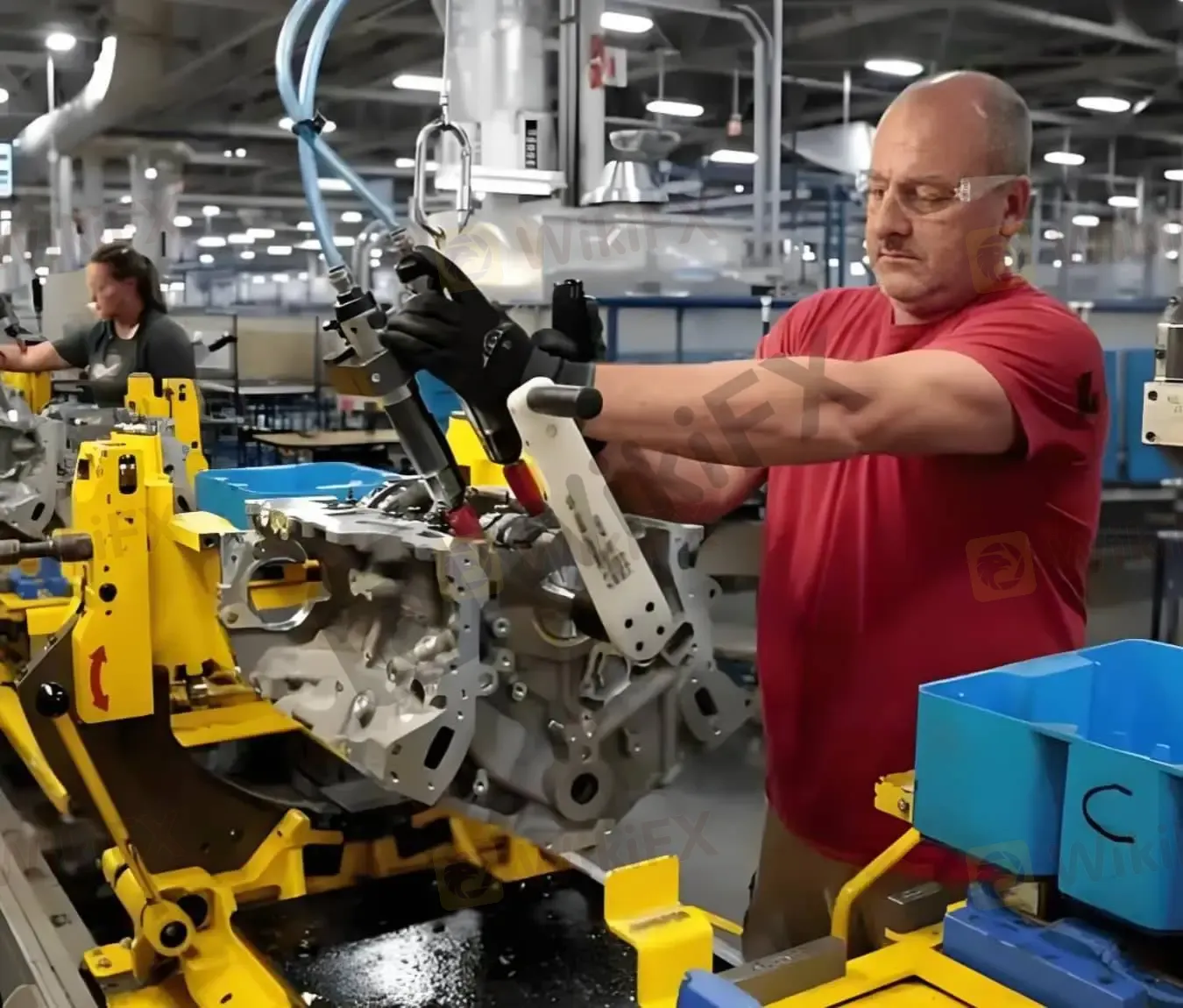
US Manufacturing Expansion Loses Momentum
US manufacturing remained in expansion territory in June, although the pace of growth slowed. The ISM Manufacturing PMI eased from 54.0 to 53.3, below the market expectation of 54.2. The New Orders Index declined from 56.8 to 56.0, the Production Index fell from 54.3 to 52.2, and the Employment Index improved to 49.7 but remained below the 50.0 threshold for the 33rd consecutive month, indicating that manufacturers continue to be cautious about hiring.
Price data was the standout feature of the report. The Prices Index dropped sharply from 82.1 to 73.0, marking the largest monthly decline since July 2022. This suggests that lower oil prices are gradually easing cost pressures for manufacturers and that the energy shock has not translated into broader inflationary pressures. FXTRADING Analysis: The US ISM Manufacturing PMI eased to 53.3 in June but remained in expansion territory, indicating that the economy continues to demonstrate resilience. The Prices Index fell to 73.0, signaling that inflationary pressures are continuing to moderate. However, employment remains weak, and attention should remain focused on future demand and labor market conditions.
(For more insights into global macroeconomic trends and market developments, please follow FXTRADINGs official updates. This information is provided for reference only and does not constitute any form of investment advice.)
Disclaimer:
The views in this article only represent the author's personal views, and do not constitute investment advice on this platform. This platform does not guarantee the accuracy, completeness and timeliness of the information in the article, and will not be liable for any loss caused by the use of or reliance on the information in the article.
WikiFX Broker
Latest News
OROKU EDGE Review 2026: Blacklist Warnings, Withdrawal Complaints, and High Leverage
 WikiFX
Reading the Market Weather: How to Identify Forex Trends and Ranges
WikiFXUsing Volatility and ATR to Fix Your Forex Stop Loss
WikiFXIs It Your Fault for Falling for an Investment Scam?
WikiFXPIPS STAR Review 2026: Unregulated Status and What Indian Traders Should Check
WikiFXHousewife Loses RM250,000 Life Savings to Ghost Investment Scheme Promising 10% Returns
WikiFXDeltaFX Review 2026: My MT5 Account Was Locked During Trade. Did the Trader Lose Everything?
WikiFXCan AI Really Improve Forex Trading? The Benefits, Risks and Hidden Limitations
WikiFXTRANS X MARKETS Review 2026: Unregulated Status and Serious Withdrawal Complaints
WikiFXRyvoTrade Review 2026: Unregulated Status and Withdrawal Complaints
WikiFXCurrency Calculator
USD

CNY
Current Rate:0
Enter amount
USD
Redeemable Amount
CNY
Calculate 