


Global Broker Regulation Inquiry App
About WikiFX
English
简体中文
繁體中文
English
Pусский
日本語
ภาษาไทย
Tiếng Việt
Bahasa Indonesia
Español
हिन्दी
Filippiiniläinen
Français
Deutsch
Português
Türkçe
한국어
العربية
اردو
FXTRADING Financial Focus (Asia-Pacific 07/01)BIS Warns of AI, Inflation and Debt Risks
Abstract:The Bank for International Settlements (BIS) said in its latest annual report that while the global economy continues to expand, the environment supporting growth is becoming increasingly complex. The
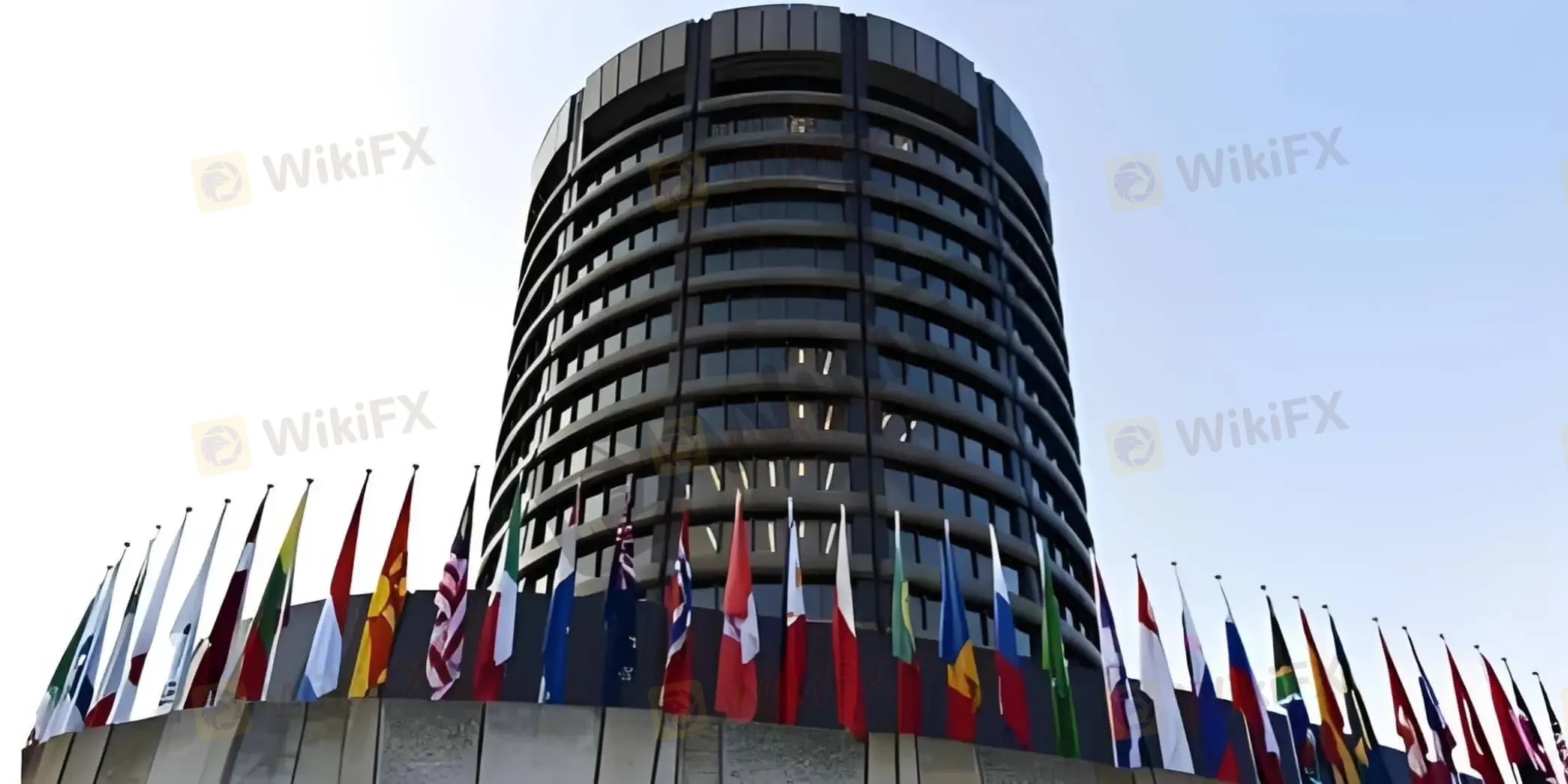
The Bank for International Settlements (BIS) said in its latest annual report that while the global economy continues to expand, the environment supporting growth is becoming increasingly complex. The AI investment boom, persistent inflation, and rising fiscal burdens are emerging as the three key risks to future global economic stability. These risks are not isolated but could reinforce one another, significantly increasing pressure on the financial system if market confidence weakens.
Over the past several years, substantial capital has flowed into semiconductors, cloud computing, and data centers, fueling rapid industry expansion. However, the BIS warned that market expectations for future AI returns have reached elevated levels. If corporate earnings fail to meet expectations, financing conditions could tighten rapidly, causing corporate capital expenditure to shift from rapid expansion to a slower pace, ultimately weighing on the technology sector and broader economic growth.
The report also noted that the financing structure of the AI industry is becoming increasingly complex. Chipmakers, cloud service providers, and AI developers are now closely connected through equity investments, long-term procurement agreements, and debt financing, while many data centers are built by third parties and provided through long-term leasing arrangements. Although this model supports industry expansion, it also reduces financing transparency, with some assets potentially exposed to overlapping financing and cross-sector risk transmission. Should financing conditions tighten, these risks could spread quickly throughout the AI supply chain.
Beyond the AI sector, the BIS also expressed concern over elevated leverage across the global financial system. The report noted that whether interest rates rise again or enthusiasm for AI investment cools, credit markets could face significant repricing. Many hedge funds and non-bank financial institutions currently rely heavily on short-term financing. If funding costs rise or liquidity tightens, forced deleveraging, asset sales, and broader credit contractions could amplify market volatility.
Although easing tensions in the Middle East have contributed to lower global oil prices, the BIS believes that restoring energy supplies will take time and that the effects of previous supply disruptions have yet to fully dissipate. At the same time, inflation has begun to accelerate again in the United States, while inflation in the Eurozone could remain above policymakers' targets. The report pointed out that the sharp rise in living costs over recent years has already altered inflation expectations among businesses and households. If wage growth and service-sector price increases continue feeding into broader inflation, the risk of renewed inflationary pressures will remain, requiring central banks to stay vigilant.
Fiscal risks were also highlighted repeatedly throughout the report. Government debt levels have continued to climb across most major economies, while bond markets have become increasingly dependent on highly leveraged and fast-moving institutional capital. In the event of market shocks, these investors tend to withdraw liquidity quickly, amplifying market volatility and transmitting risks through funding channels into the banking system and across international markets. The BIS believes that maintaining prudent fiscal policy, preserving central bank credibility, and strengthening financial regulation are essential to reducing long-term financial risks.
If AI investment slows, financing conditions tighten, and inflation and fiscal pressures remain elevated, volatility across global capital markets could intensify further. Corporate financing, investment decisions, and financial institutions' risk management would all face greater challenges, while regulators may increase oversight of AI financing models, non-bank financial institutions, and financial leverage. From FXTRADING's perspective, the report's central message is not about a single source of risk, but rather a warning that the global economy is entering a new phase in which multiple risks are becoming increasingly interconnected. Against the backdrop of rapid AI development, elevated debt levels, and persistent inflation uncertainty, maintaining prudent macroeconomic policies, strengthening financial system resilience, and identifying potential risks early will be critical to ensuring long-term global economic stability.
Disclaimer:
The views in this article only represent the author's personal views, and do not constitute investment advice on this platform. This platform does not guarantee the accuracy, completeness and timeliness of the information in the article, and will not be liable for any loss caused by the use of or reliance on the information in the article.
WikiFX Broker
Latest News
WHITEFOREX Review 2026: I Am Not the Only Victim of Its Profit Seizure Activity; Users Say This!
 WikiFX
Vonway Forex Review: No Regulation, Withdrawal Complaints, and a Broker Warning
WikiFXFinalto Review 2026: Regulation, Trading Environment, and Platform Access Risks
WikiFXReview 2026: TRADING 212 Regulation, Clone Warning, and Withdrawal Complaint
WikiFXReview 2026: BOLD PRIME Complaints, Regulation Warnings, and Withdrawal Risk
WikiFXReview 2026: EMIRAX MARKETS Regulation, Withdrawal Complaints, and Trading Risks
WikiFXPolymarket Under Fire as Wall Street Watchdog Launches Investigation
WikiFXRoboMarkets Review 2026: Regulation, Complaints, and Execution Quality
WikiFXMazi Finance Review 2026: Unregulated Status, Withdrawal Complaints, and Risk Signals
WikiFX⚽💱 World Cup · Forex Predict & Win Event
WikiFXCurrency Calculator
USD

CNY
Current Rate:0
Enter amount
USD
Redeemable Amount
CNY
Calculate 