


Global Broker Regulation Inquiry App
About WikiFX
English
简体中文
繁體中文
English
Pусский
日本語
ภาษาไทย
Tiếng Việt
Bahasa Indonesia
Español
हिन्दी
Filippiiniläinen
Français
Deutsch
Português
Türkçe
한국어
العربية
اردو
FXTRADING Financial Focus (Asia-Pacific 06/11)Hormuz Disruptions Boost Suez Traffic
Abstract:Following disruptions to shipping through the Strait of Hormuz, global energy trade routes have been rapidly reconfigured, significantly increasing the importance of the Red Sea and the Suez Canal. La
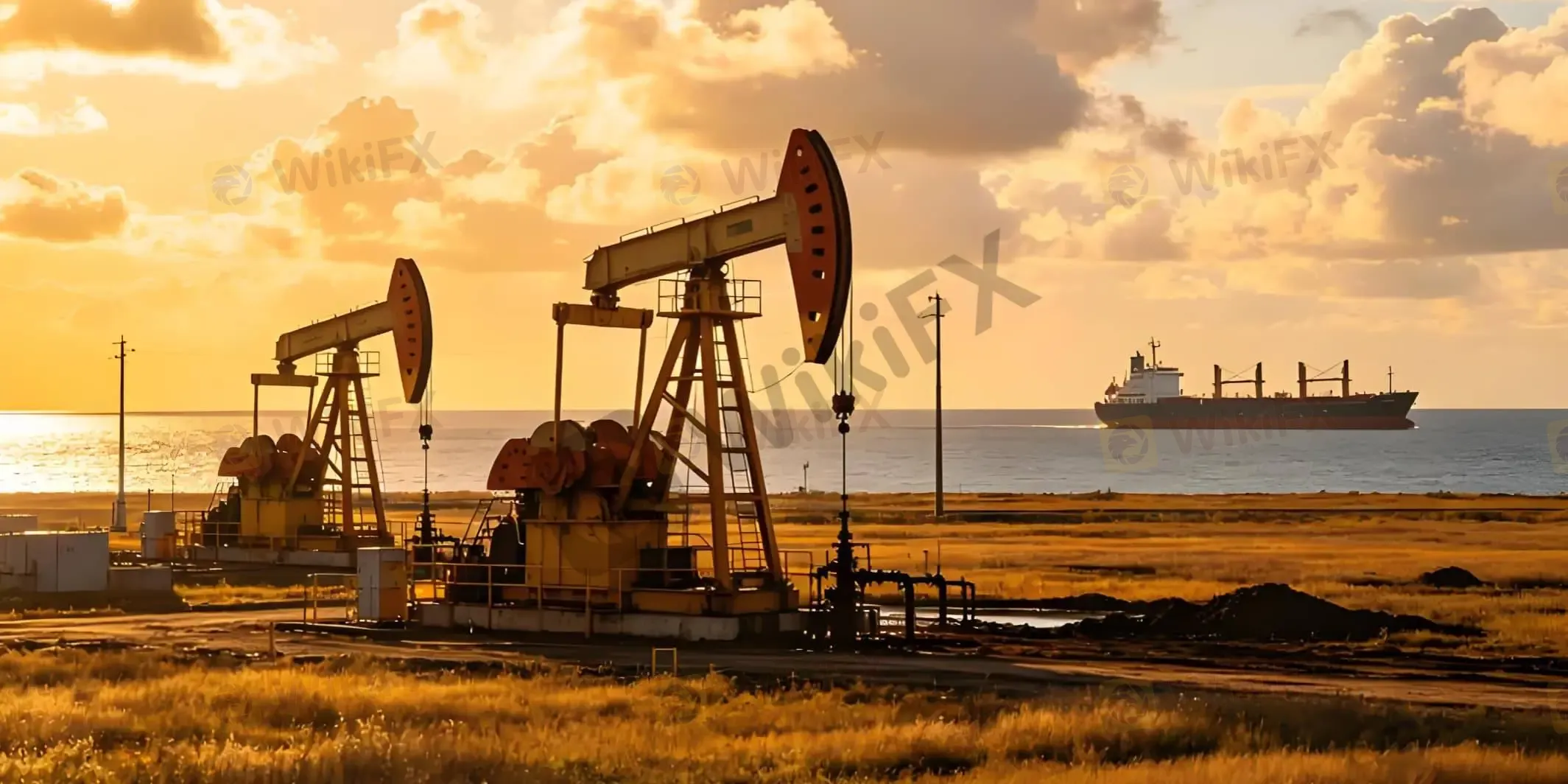
Following disruptions to shipping through the Strait of Hormuz, global energy trade routes have been rapidly reconfigured, significantly increasing the importance of the Red Sea and the Suez Canal. Large volumes of energy cargoes that previously relied on exports through the Persian Gulf have been forced to seek alternative routes, bringing a period of recovery to the Suez Canal, which had been heavily impacted by regional security tensions in recent years.
According to the latest data released by Egypt, 529 oil tankers transited the Suez Canal in April, up 28% year-on-year, while total vessel traffic reached 1,182 ships, representing a 14% increase from a year earlier. After more than two years of subdued activity, traffic through the canal has shown a clear rebound, reflecting the ongoing reallocation of transportation resources across global shipping markets.
The primary driver behind this increase has been the reduced transportation capacity through the Strait of Hormuz. As one of the world's most important energy shipping chokepoints, the strait handles roughly one-fifth of global crude oil and liquefied natural gas trade. With traditional routes facing constraints, energy-exporting countries have been forced to adopt alternative solutions. Saudi Arabia has expanded the use of its east-west pipeline network, transporting crude oil to Red Sea ports for onward export by sea, which has contributed to rising demand along Red Sea shipping routes.
For Egypt, the recovery in canal activity carries significant economic importance. The Suez Canal has long been one of the country's major sources of foreign currency income. Previously, escalating security concerns in the Red Sea prompted many shipping companies to reroute vessels around the Cape of Good Hope, causing a sharp decline in canal traffic and revenues while adding pressure to Egypt's fiscal position and foreign exchange reserves.
Data show that Suez Canal revenue reached USD 419 million in April, up 27% year-on-year and marking the highest monthly level since early 2024. However, overall activity remains well below pre-crisis levels. Approximately 2,300 vessels passed through the canal in April 2023, far exceeding current volumes, indicating that the recovery process is still underway.
Although new energy transportation routes are gradually emerging, security risks in the Red Sea region have not been fully eliminated. Recent fluctuations in tensions between Iran and Israel, combined with increasingly aggressive signals from Yemen's Houthi forces, continue to create uncertainty for regional shipping. Should geopolitical tensions escalate again, international shipping companies may be forced to revise their transportation arrangements once more.
The global energy transportation system is gradually moving toward greater diversification, with Gulf countries accelerating investments in pipelines, ports, and land-based transport infrastructure to reduce dependence on any single shipping corridor. The Suez Canal is likely to continue benefiting from additional demand generated by these route adjustments in the near term. From FXTRADING's perspective, the recent improvement in canal revenues reflects the ongoing restructuring of global energy logistics rather than a comprehensive easing of regional risks. Whether the canal's recovery can be sustained will largely depend on the stability of the Middle East and the continued evolution of global energy supply chains.

Disclaimer:
The views in this article only represent the author's personal views, and do not constitute investment advice on this platform. This platform does not guarantee the accuracy, completeness and timeliness of the information in the article, and will not be liable for any loss caused by the use of or reliance on the information in the article.
WikiFX Broker
Latest News
TenX Prime Review: PAMM Blackout, Login Blocks, and Broker Regulation Questions
 WikiFX
InstaForex Review: Broker Profit Deductions, Login Shock, and Regulation Red Flags
WikiFXPosition Sizing Math For Steady Small Account Growth
WikiFXOcta Review 2026: Severe Withdrawal Complaints and Regulation Warnings
WikiFXUniglobe Markets Review 2026: Should You Trade with This Broker?
WikiFXWorld Cup · Forex Predict & Win Event
WikiFXZenstox Review 2026: Unexplained Profit Cancellation & Account Termination Allegations
WikiFXECB hikes interest rates for first time since 2023 as Iran war ramps up energy costs
WikiFXRaiseFX Review 2026: Is This Forex Broker Safe?
WikiFXIBKR VIP limited Review: No Regulation, Withdrawal Blocks, and a Broker Warning
WikiFXCurrency Calculator
USD

CNY
Current Rate:0
Enter amount
USD
Redeemable Amount
CNY
Calculate 