

Global Broker Regulation Inquiry App
About WikiFX
English
简体中文
繁體中文
English
Pусский
日本語
ภาษาไทย
Tiếng Việt
Bahasa Indonesia
Español
हिन्दी
Filippiiniläinen
Français
Deutsch
Português
Türkçe
한국어
العربية
اردو
FXTRADING Financial Focus (Asia-Pacific 05/28)US-MEX Trade Talks Advance as Canada Disputes Persist
Abstract:The US government has recently restarted negotiations to revise the North American trade framework, though this time the primary focus is clearly on Mexico. The Office of the United States Trade Repre
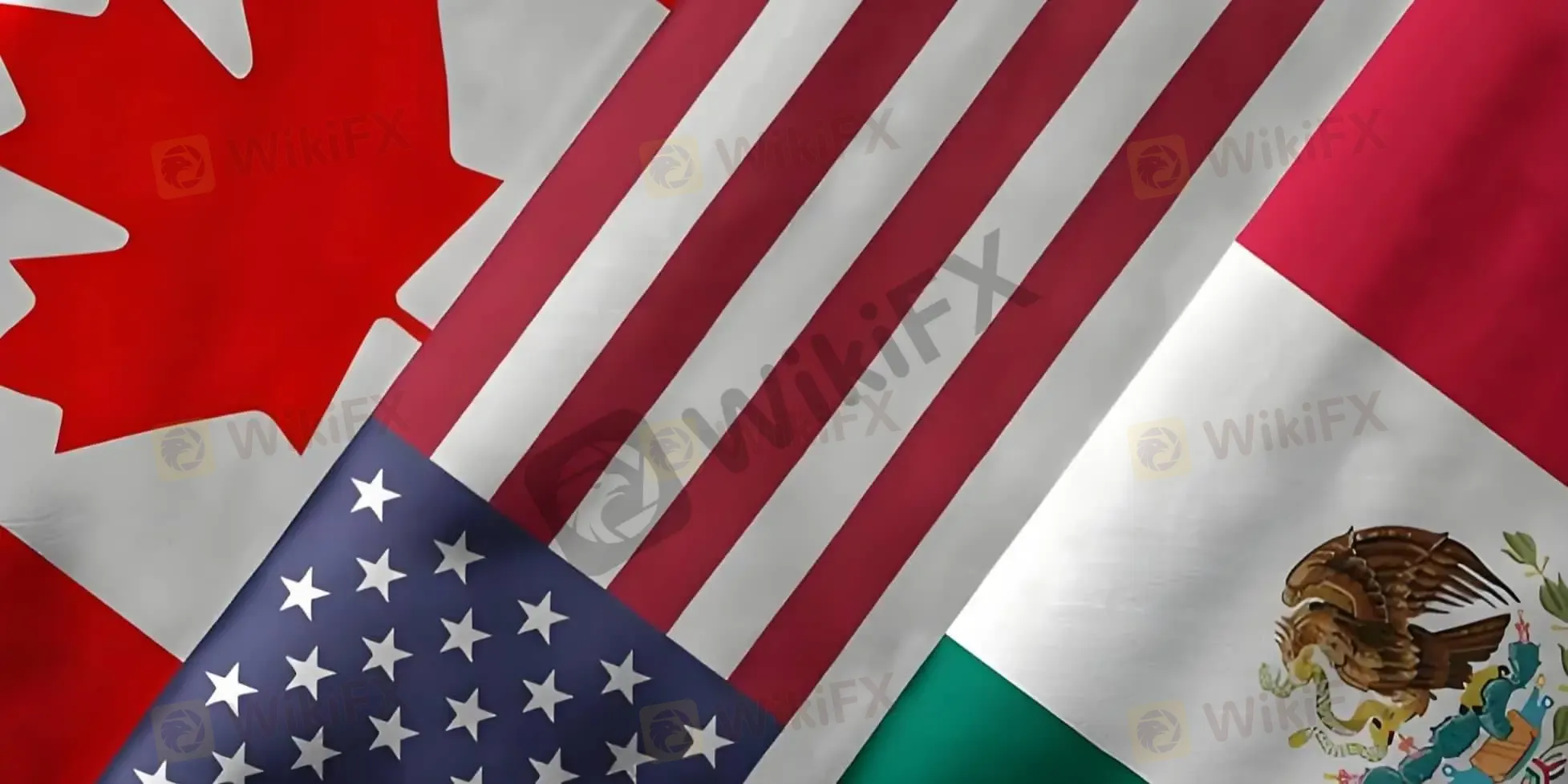
The US government has recently restarted negotiations to revise the North American trade framework, though this time the primary focus is clearly on Mexico. The Office of the United States Trade Representative has confirmed that the first round of bilateral talks will take place this week in Mexico City, with additional rounds scheduled for June and July. Discussions will cover rules of origin for industrial goods, agriculture, and fair market competition.
Compared with the trilateral negotiations conducted during the era of the North American Free Trade Agreement, the Trump administration now prefers to negotiate separately with each country. Through this approach, the White House hopes to regain greater control over North American manufacturing and supply chains, particularly in sectors such as automobiles, steel, and other key industries. The United States is increasingly emphasizing domestic production and regional manufacturing security.
Rules of origin have become the core issue in this round of negotiations. Washington believes that many products previously qualified under the North American trade framework while still relying heavily on Asian supply chains for components. The US now wants to raise the proportion of locally sourced North American parts, encourage more manufacturing activities to return to the United States, and reduce dependence on external supply chains.
While Mexico is actively participating in the negotiations, Canada appears to be increasingly sidelined. The latest negotiation schedule released by the Office of the United States Trade Representative contains no mention of Canada. US Trade Representative Jamieson Greer also openly acknowledged that major disagreements remain between the US and Canada on automobile, steel, and aluminum tariffs, with very limited progress in negotiations.
Canada has also maintained a tough retaliatory stance in recent months. In addition to keeping retaliatory tariffs on US goods in place, some Canadian regions have removed American alcoholic products from store shelves. At the same time, the Canadian government is considering purchasing early warning radar aircraft from Swedish company Saab instead of further expanding procurement cooperation with Boeing, indicating that tensions between the two sides are no longer limited to trade alone.
The Trump administrations position is also becoming increasingly clear. Even if a new North American agreement is eventually reached, the United States may still retain certain tariff tools. For the White House, tariffs are no longer simply a trade measure, but also an important tool for bringing manufacturing back to the US, protecting domestic industries, and reshaping supply chains. As the US election cycle approaches, the importance of manufacturing and employment issues is continuing to rise.
From FXTRADINGs perspective, the North American trade system is likely to continue moving toward regionalization and protectionism in the future. The automotive industry, industrial manufacturing, and supply chain structures could all undergo another round of adjustments. Companies will need to consider not only costs, but also policy and geopolitical risks more carefully, while the global trade environment may enter a new phase marked by more complex rules and increasingly intense competition.
Disclaimer:
The views in this article only represent the author's personal views, and do not constitute investment advice on this platform. This platform does not guarantee the accuracy, completeness and timeliness of the information in the article, and will not be liable for any loss caused by the use of or reliance on the information in the article.
WikiFX Broker
Latest News
Long Asia Group Review 2026: Withdrawal Complaints, Unverified Regulation, and High Risk
 WikiFX
cTrader Mobile 5.9 Adds My cTrader and Improves Chart Navigation
WikiFXFeds Kashkari says inflation fight takes priority as labor market is 'in decent shape'
WikiFXThe 7 Lowest-Spread Forex Brokers for Indian & Pakistani Traders in 2026 (Tested, Ranked & Reality)
WikiFXEnergy inflation has been more persistent than expected: Fed's Goolsbee
WikiFXDollar Ticks Higher as Oil Plunges
WikiFXamari Capital Review 2026: Slippage Complaints and Unregulated Risk
WikiFXI Track 27 Pairs, He Trades Only 4 - And the People Who Lose Are Usually in Between
WikiFXPocketOption Review 2026: Reported Withdrawal Hassles, Deposit Failures & Fund Scams
WikiFXWhy Good Trading Results Hide Terrible Decisions
WikiFXCurrency Calculator
USD

CNY
Current Rate:0
Enter amount
USD
Redeemable Amount
CNY
Calculate 