

Global Broker Regulation Inquiry App
About WikiFX
English
简体中文
繁體中文
English
Pусский
日本語
ภาษาไทย
Tiếng Việt
Bahasa Indonesia
Español
हिन्दी
Filippiiniläinen
Français
Deutsch
Português
Türkçe
한국어
العربية
اردو
FXTRADING Financial Focus (Asia-Pacific 05/25)Fed Shift as Waller Warns on Inflation
Abstract:There has recently been a noticeable shift inside the Federal Reserve regarding the future direction of interest rates. Over the past year, markets had largely assumed that the next move would most li
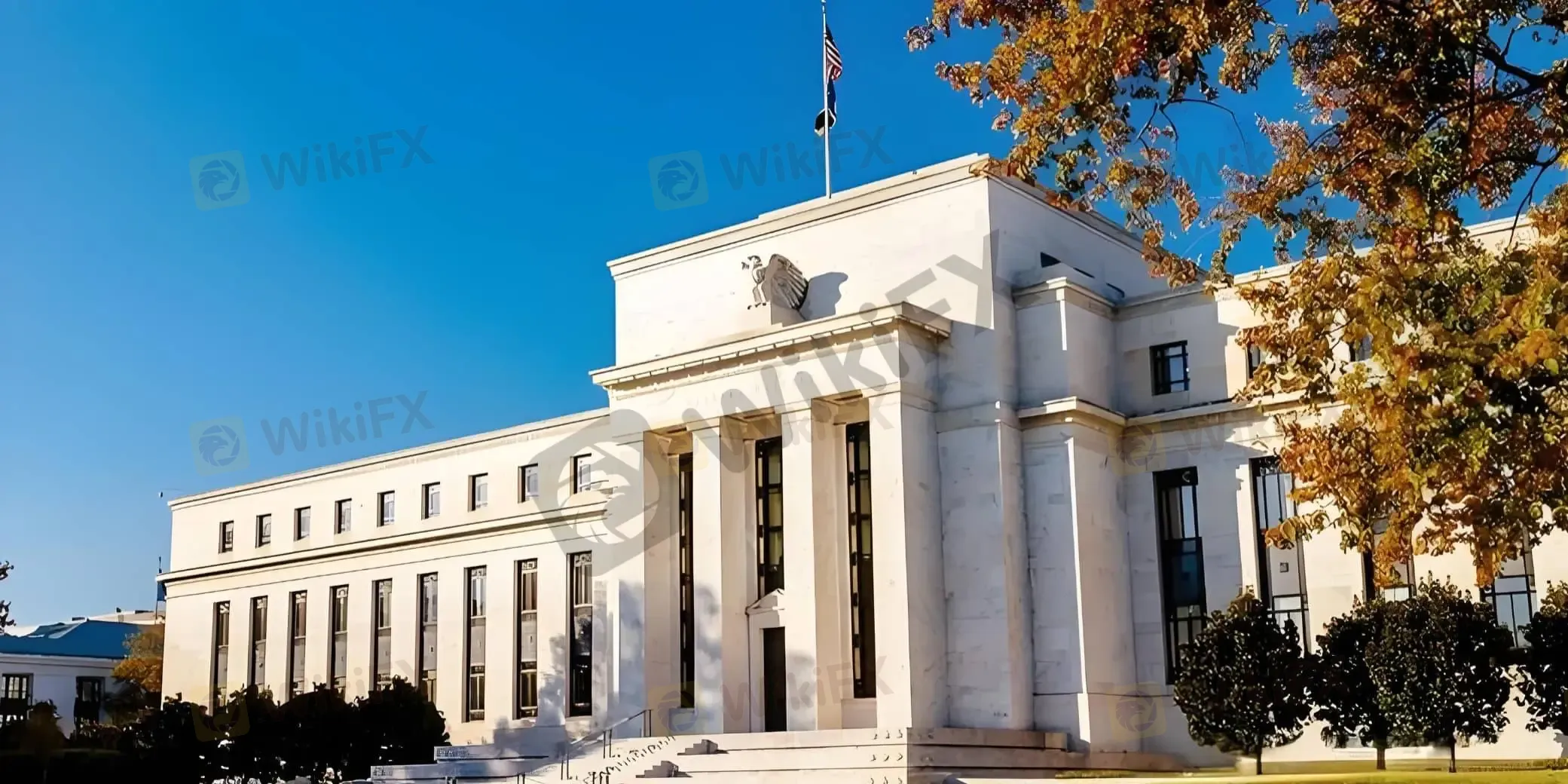
There has recently been a noticeable shift inside the Federal Reserve regarding the future direction of interest rates. Over the past year, markets had largely assumed that the next move would most likely be a rate cut, but that expectation is now being reassessed. Federal Reserve Governor Christopher Waller, who was previously viewed as relatively dovish, has now adopted a much more cautious stance and has even begun openly discussing the possibility of future rate hikes again. This change carries significant signaling value within the Fed.
Speaking in Frankfurt, Waller said that as the Middle East conflict continues to escalate, rising energy and commodity prices are no longer just a short-term issue. He warned that if repeated price shocks continue, consumers could gradually begin accepting persistently high inflation as normal. Once inflation expectations start rising again, it would become far more difficult for the Federal Reserve to bring prices back under control.
Compared with the beginning of the year, Wallers shift in tone has become very obvious. Back in January, he still believed the inflationary impact from tariffs would only be temporary. At the time, signs of slowing in the US labor market had even led him to support rate cuts to ease economic pressure. However, over the past few months, the US labor market has remained relatively stable, with hiring data in both March and April staying solid. This has pushed Waller to once again worry that inflation risks may ultimately become harder to manage than economic slowdown risks.
Now, more and more Fed officials are beginning to accept a new line of thinking — that the central bank should no longer continue signaling to markets that the next move will definitely be a rate cut. Especially during the late-April policy meeting, three regional Fed presidents openly opposed maintaining dovish wording, marking one of the rare instances of clear internal division in recent years.
More importantly, Waller had long been regarded as one of the more dovish figures within the Federal Reserve. If even he is now becoming concerned about inflation becoming entrenched again, it suggests the Feds broader assessment of inflation risks is undergoing a deeper shift. Increasingly, officials are no longer focused only on slowing growth, but are becoming more concerned that energy shocks could once again push up costs across the entire economy.
This shift also creates a more complicated environment for Kevin Warsh, who is expected to become the next Federal Reserve Chair. Trump has consistently pushed for a more aggressive easing path from the Fed, but hawkish forces within the central bank are now gaining strength. As some of the more dovish officials gradually leave, uncertainty surrounding the future direction of Fed policy is rising noticeably.
From FXTRADING‘s perspective, Waller’s shift in stance is not simply about one official changing his view. It reflects a broader reassessment within the Federal Reserve regarding long-term inflation risks. If energy prices remain elevated going forward, discussions inside the Fed about maintaining high interest rates — or even reconsidering future rate hikes — could continue to intensify.

(For more insights into global macroeconomic trends and market developments, please follow FXTRADINGs official updates. This information is provided for reference only and does not constitute any form of investment advice.)
Disclaimer:
The views in this article only represent the author's personal views, and do not constitute investment advice on this platform. This platform does not guarantee the accuracy, completeness and timeliness of the information in the article, and will not be liable for any loss caused by the use of or reliance on the information in the article.
WikiFX Broker
Latest News
CNMV Issues New Warning Against Unregistered Investment Platforms and a Clone Website
 WikiFX
Currency Calculator
USD

CNY
Current Rate:0
Enter amount
USD
Redeemable Amount
CNY
Calculate 