

Global Broker Regulation Inquiry App
About WikiFX
English
简体中文
繁體中文
English
Pусский
日本語
ภาษาไทย
Tiếng Việt
Bahasa Indonesia
Español
हिन्दी
Filippiiniläinen
Français
Deutsch
Português
Türkçe
한국어
العربية
اردو
FXTRADING Economic Data Summary (Asia-Pacific | 05/22)
Abstract:Hawkish Influence Within the Fed Expands SignificantlyThe Federal Reserves latest April meeting minutes revealed that the overall policy direction is beginning to shift. Markets had previously assumed
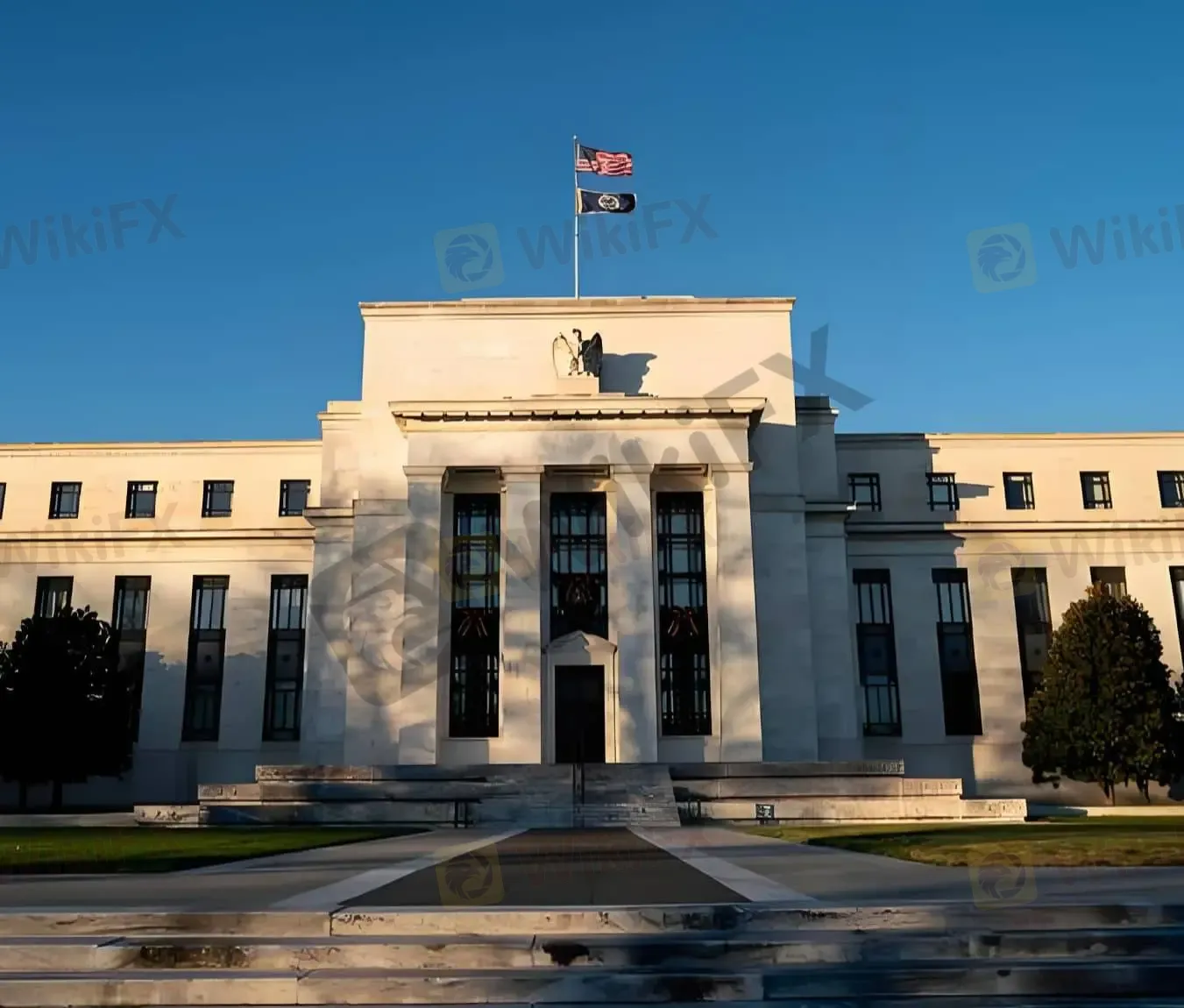
Hawkish Influence Within the Fed Expands Significantly
The Federal Reserves latest April meeting minutes revealed that the overall policy direction is beginning to shift. Markets had previously assumed that the Fed would eventually move toward a rate-cutting cycle, but more officials are now becoming concerned that inflation risks may prove far more persistent than previously expected. The minutes showed that many policymakers wanted to remove wording from the statement that could be interpreted by markets as a dovish signal, indicating that the Fed has become increasingly cautious about sending early hints of rate cuts.
This meeting produced four dissenting votes, marking the most serious internal division within the Fed in nearly a decade. Although interest rates were ultimately left unchanged, the influence of hawkish officials has clearly increased. Several policymakers have already emphasized that if inflation continues to remain above 2%, monetary policy may need to become even tighter. FXTRADING believes that the April meeting minutes clearly reflected a stronger hawkish tone from several officials, while the four dissenting votes further highlighted the widening divisions within the institution. With oil prices, tariffs, and Middle East tensions continuing to disrupt the outlook, the US high interest rate cycle is increasingly likely to last longer than markets had expected.

Australian Business Confidence Falls to Low Levels
Australias preliminary Composite PMI for May dropped from 50.4 to 47.8, with the services sector becoming the main drag on the economy. Services PMI fell sharply from 50.7 to 47.7. Manufacturing activity remained barely in expansion territory, but Manufacturing PMI also slipped from 51.3 to 50.2, showing a clear weakening in overall business conditions. Companies generally reported that the pace of order declines is accelerating, while weak demand is gradually spreading from consumers to the broader corporate sector.
As Middle East tensions continue to escalate, transportation, raw material, and electricity costs have risen noticeably. The manufacturing output index has remained near 48.5 for two consecutive months, indicating that factory activity remains weak. Hiring intentions have declined, and layoffs have started to reappear in certain industries. FXTRADING believes that Australias May Composite PMI falling to 47.8 and Services PMI dropping to 47.7 both indicate that high interest rates are exerting deeper pressure on the economy. If energy prices remain elevated, growth risks for the Australian economy in the second half of the year may continue to intensify.
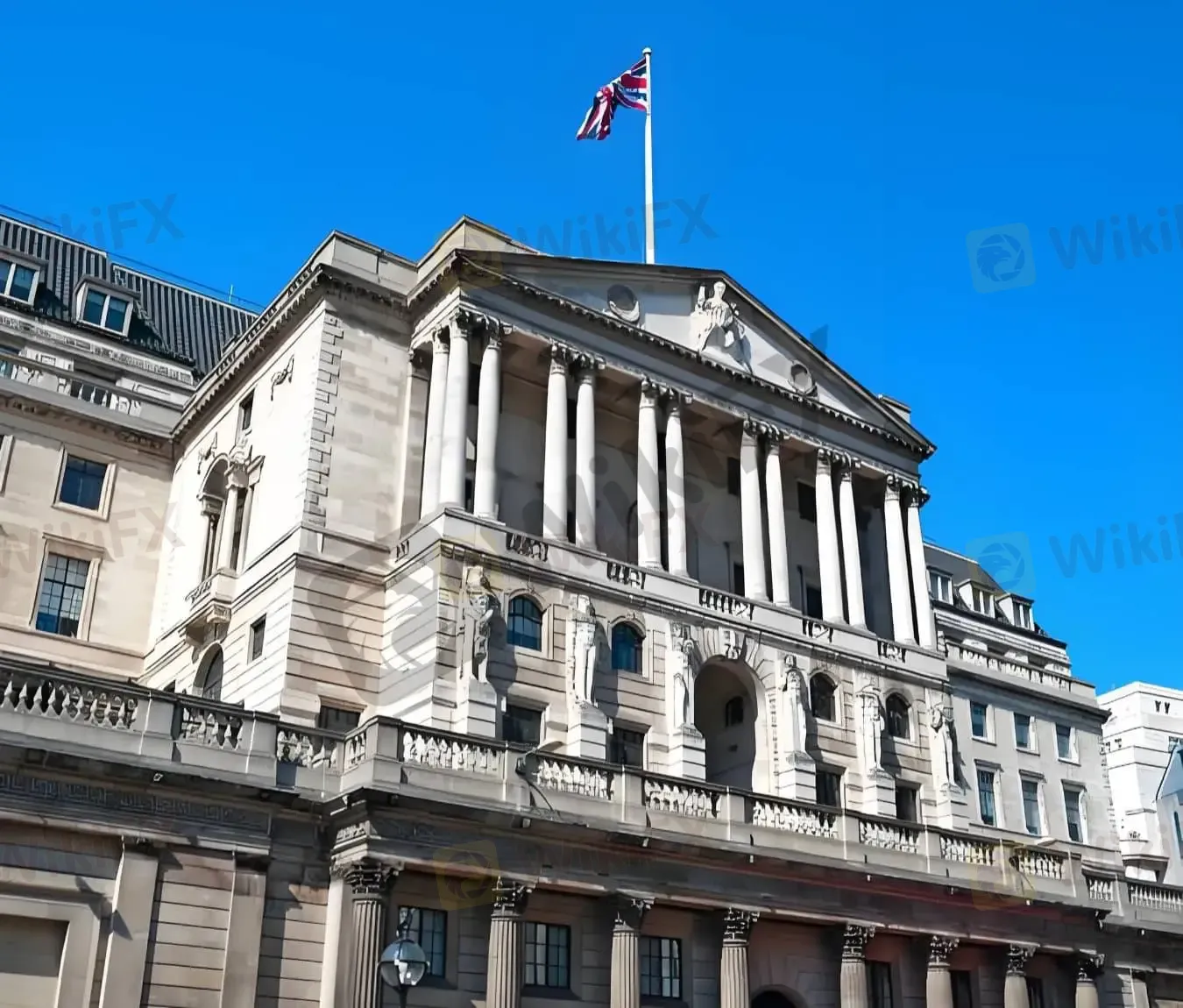
The Bank of England Begins to Slow Its Pace
Recent remarks from Bank of England Governor Andrew Bailey suggest that UK monetary policy is entering a more cautious observation phase. During a parliamentary hearing, Bailey clearly stated that rising market interest rates are giving the Bank of England more time to assess the ultimate inflation impact of the ongoing energy shock.
The Bank of England previously voted 8-1 to keep interest rates unchanged, and policymakers are now increasingly concerned about the possibility of further deterioration in the energy situation. Bailey even suggested that current market pricing for Middle East-related energy risks may still be too mild. FXTRADING believes that the Bank of England has now entered a wait-and-see phase. Rising market interest rates are already replacing part of the tightening effect that would otherwise come from additional policy action, reducing the immediate need for further rate hikes.

Japans Manufacturing Sector Continues Supporting the Economy
Japans Composite PMI for May declined from 52.2 to 51.1, showing a noticeable slowdown in growth momentum. The Services PMI Business Activity Index fell directly to 50.0, effectively entering stagnation territory and ending the strong expansion trend that had lasted for 13 consecutive months. In contrast, the manufacturing sector continued to show resilience.
As Middle East conflicts increase supply chain risks, many companies are worried about future shortages of goods and rising prices, leading them to continue stockpiling inventories in advance. This has helped keep factory orders relatively stable in Japan. However, overall business costs are now rising at the fastest pace in three and a half years, while selling price inflation has reached the highest level since the survey began. FXTRADING believes that Japan‘s economic growth is becoming increasingly dependent on manufacturing support, but this inventory-driven growth model may not be sustainable over the long term. May’s Services PMI falling to 50.0 already signals that domestic demand is beginning to cool significantly.
Disclaimer:
The views in this article only represent the author's personal views, and do not constitute investment advice on this platform. This platform does not guarantee the accuracy, completeness and timeliness of the information in the article, and will not be liable for any loss caused by the use of or reliance on the information in the article.
WikiFX Broker
Latest News
Rupee Recovers on RBI Support and Softer Oil
 WikiFX
FBS Review: Regulation Warning Around a Broker Facing Withdrawal and Slippage Complaints
WikiFXRoboForex Review: Regulation Warnings Hit This Broker as Withdrawal Complaints Mount
WikiFXWhy Some Currency Pairs Have Much Wider Spreads Than Others
WikiFXHow Bank Rates, Reserves, and Revaluations Actually Move Currency Prices
WikiFXRupee Gains as Dollar Retreats
WikiFXCatching Forex Breakouts After a Triangle Volatility Squeeze
WikiFXDollar Slumps On Iran Peace Hopes
WikiFXCNMV Issues New Warning Against Unregistered Investment Platforms and a Clone Website
WikiFXFinding True Institutional Support and Resistance on Forex Charts
WikiFXCurrency Calculator
USD

CNY
Current Rate:0
Enter amount
USD
Redeemable Amount
CNY
Calculate 