

Global Broker Regulation Inquiry App
About WikiFX
English
简体中文
繁體中文
English
Pусский
日本語
ภาษาไทย
Tiếng Việt
Bahasa Indonesia
Español
हिन्दी
Filippiiniläinen
Français
Deutsch
Português
Türkçe
한국어
العربية
اردو
Iran Tensions Continue to Drive Global Asset Markets
Abstract:Market OverviewGeopolitical developments surrounding Iran remained the dominant force across global markets. Escalating Middle East tensions during early U.S. trading pressured equities lower, before
Market Overview
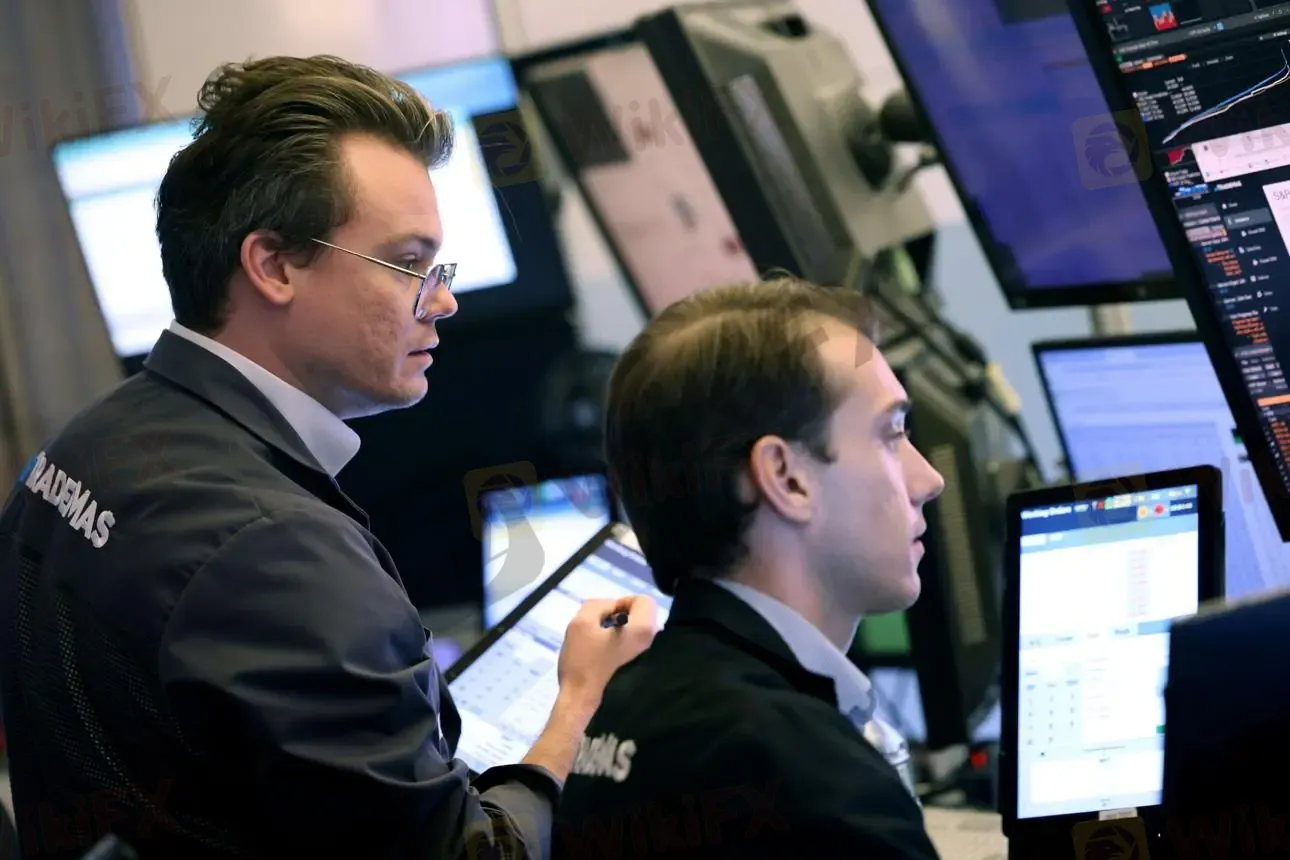
Geopolitical developments surrounding Iran remained the dominant force across global markets. Escalating Middle East tensions during early U.S. trading pressured equities lower, before sentiment sharply reversed after reports suggested negotiators had reached a final draft agreement. The headlines triggered a steep pullback in crude oil prices, while the three major U.S. indexes rebounded from session lows and closed modestly higher, with the Dow Jones Industrial Average hitting a fresh record high.
6
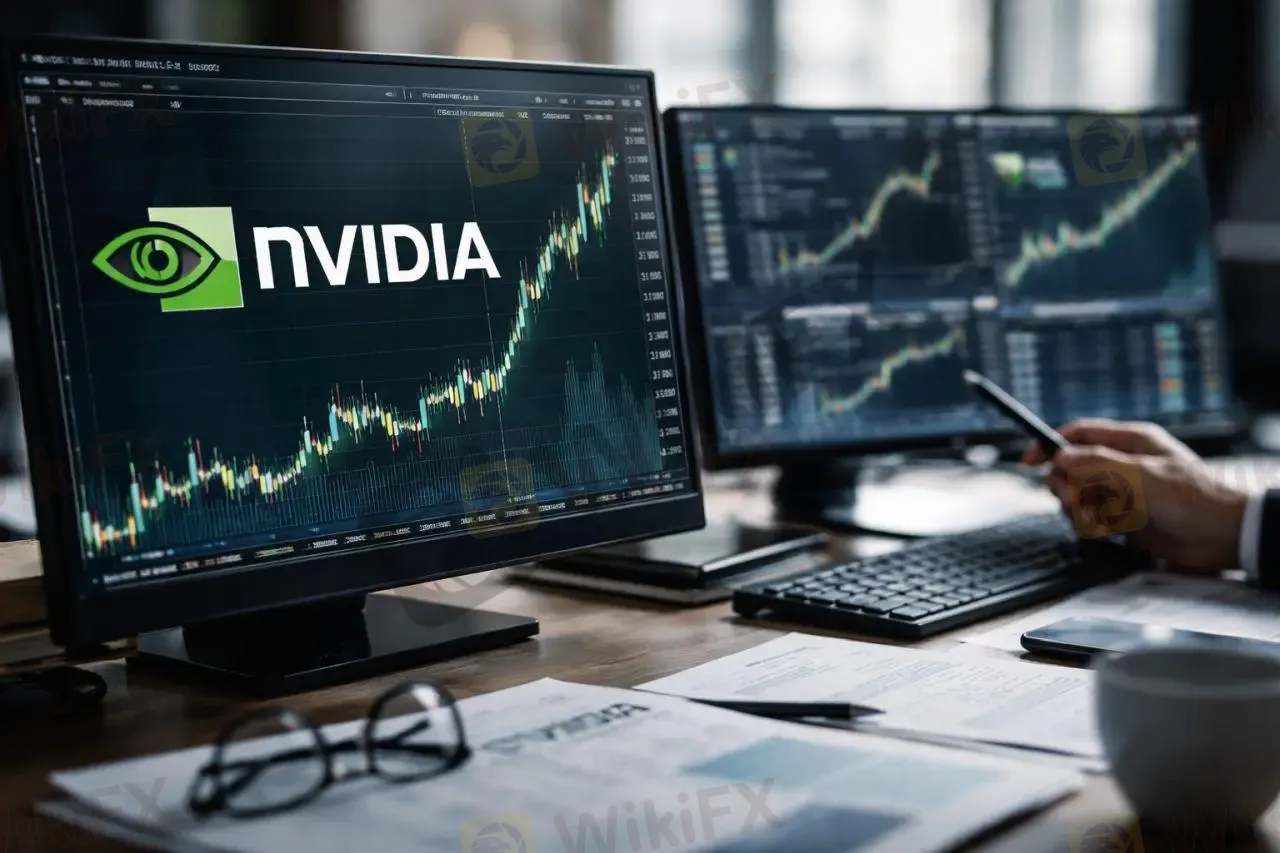
Among mega-cap tech names, NVIDIA fell 1.8% following its earnings release, making it the weakest performer among the Magnificent Seven. Meanwhile, Arm Holdings surged 16%, pushing its market capitalization above $300 billion for the first time. Walmart plunged 7.3%, dragging the consumer staples sector down 1.6%.
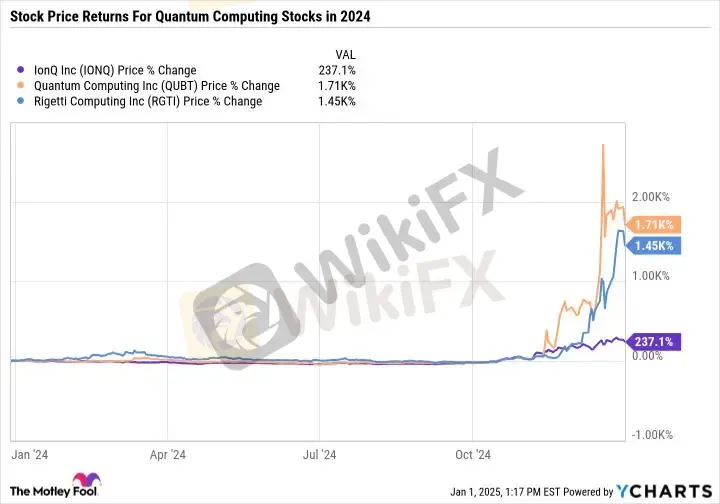
The Trump administration also announced a $2 billion initiative aimed at supporting quantum computing development. The announcement ignited a sharp rally across the sector, with IBM jumping 12%, while D-Wave Quantum soared 33.4% and Rigetti Computing surged 30.6%.
Treasury markets delivered mixed performance. Stronger-than-expected U.S. macroeconomic data reinforced expectations for higher interest rates, pushing short-end yields higher. However, falling oil prices and easing near-term inflation concerns triggered renewed bond buying, limiting gains in longer-dated yields. The interest rate-sensitive 2-year Treasury yield rose 2.5 basis points, while the 10-year yield reversed lower into the close, ending down roughly 2 basis points.
During the Asian session, mainland Chinese equities weakened sharply in afternoon trading, with all three major indexes falling more than 2%. BOE Technology bucked the trend with a limit-up rally, while semiconductor and AI computing-related shares sold off aggressively. Hong Kongs Hang Seng Tech Index also dropped more than 2% amid heavy selling pressure across major internet and technology names.
Cross-Asset PerformancePrecious Metals & Cryptocurrencies
Spot gold slipped 0.08% to $4,540.60 per ounce.
Spot silver rose 0.94% to $76.61 per ounce.
Bitcoin reclaimed the $77,000 level, gaining approximately 1.5%.
Energy & Equities
WTI July crude futures fell 1.94% to $96.35 per barrel.
Brent July crude futures declined 2.32% to $102.58 per barrel.
The S&P 500 rose 0.17% to 7,445.72.
The Dow Jones Industrial Average gained 0.55% to 50,285.66.
The NASDAQ Composite added 0.09% to 26,293.10.
Europes STOXX Europe 600 edged up 0.04% to 620.56.
Bonds & Foreign Exchange
The U.S. 10-year Treasury yield fell 1.59 basis points to 4.5696%.
The 2-year Treasury yield climbed 2.80 basis points to 4.0830%.
Asian Markets
The Shanghai Composite Index closed at 4,077.28, down 2.04%.
The Shenzhen Component Index fell 2.07% to 15,247.27.
The ChiNext Index dropped 2.35% to 3,829.78.
Market FocusTrump Intensifies Iran Rhetoric, Reaffirms Nuclear Red Lines

4
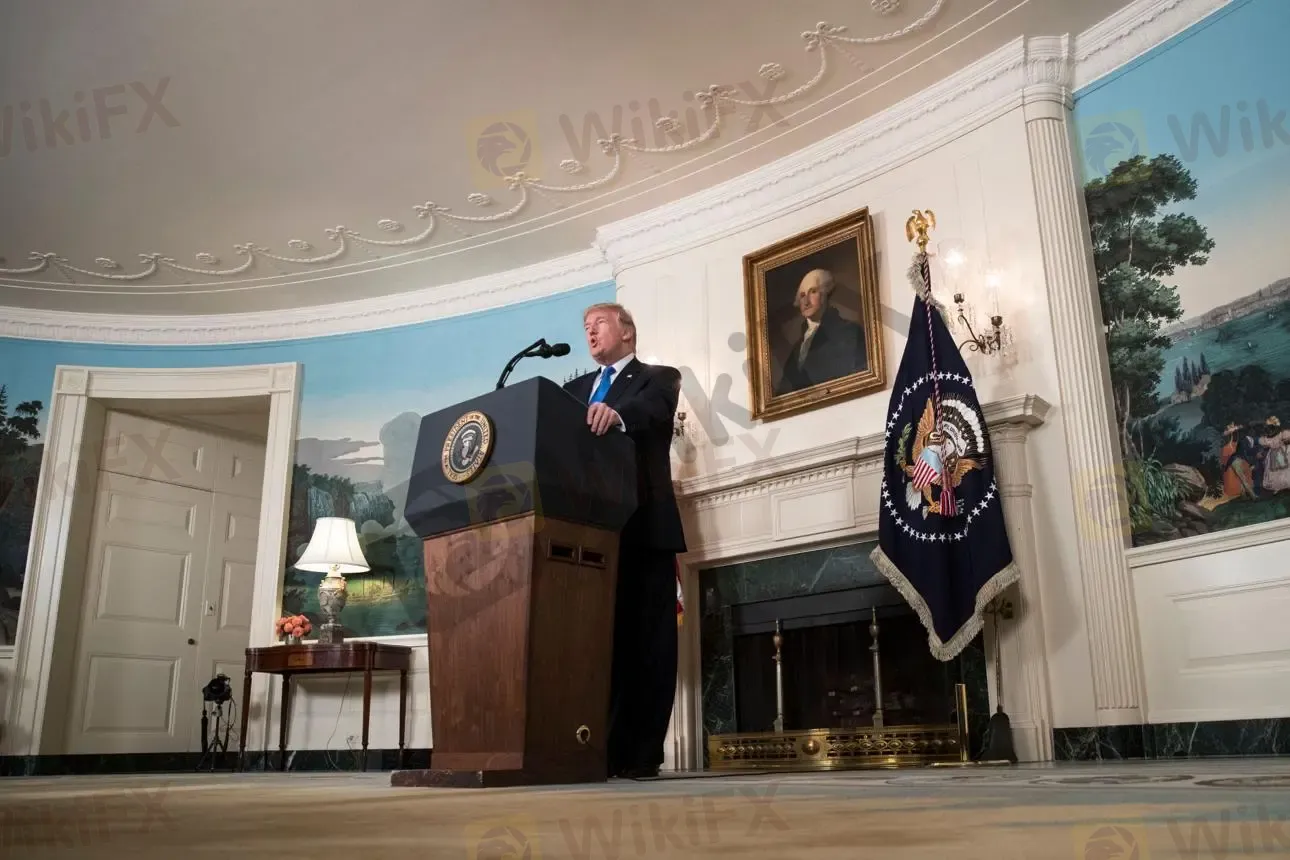
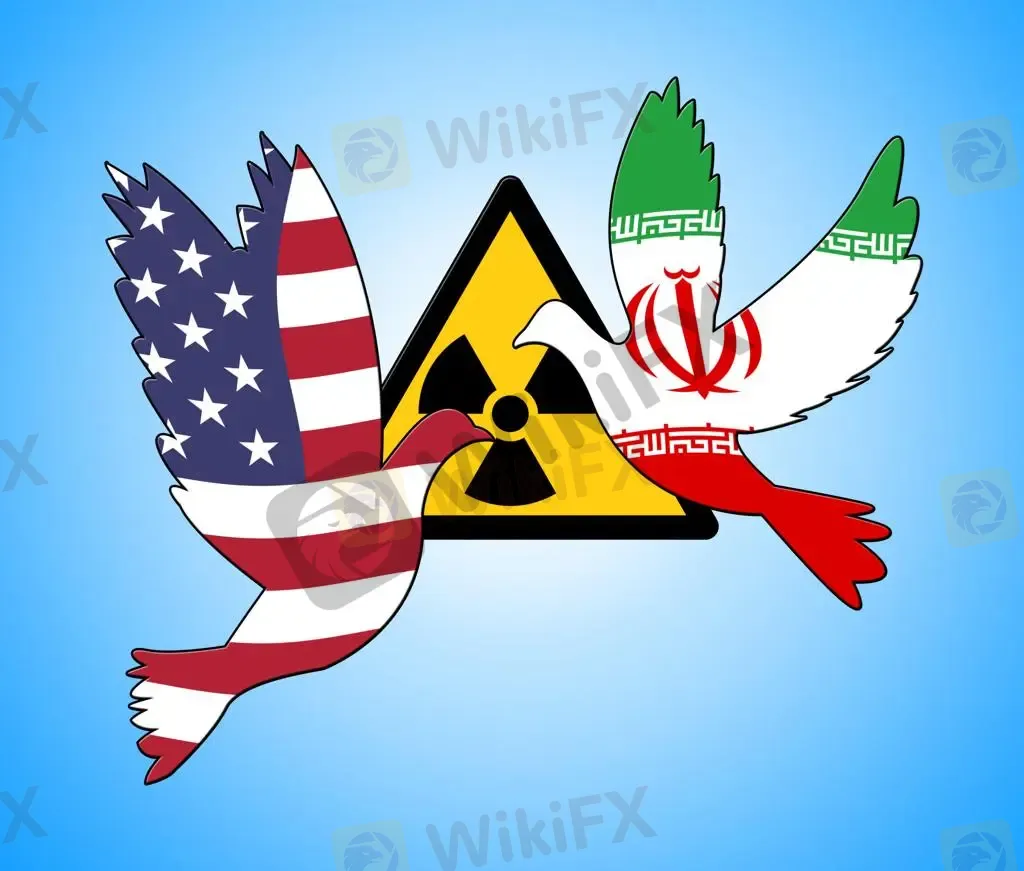
President Donald Trump warned that an Iranian nuclear weapon could trigger a broader Middle East nuclear conflict with spillover risks for both Europe and the United States. Reports also suggested Iran and Oman were studying the possibility of imposing a permanent “transit fee” for vessels passing through the Strait of Hormuz.
Trump later responded by emphasizing that the United States maintains complete control over the strategic waterway and claimed that any potential maritime blockade against Iran would be “100% effective.”
Separately, Trump stated that he had delayed signing a planned executive order on artificial intelligence due to concerns that certain provisions could hinder AI innovation. He also said the U.S. government may need to refund approximately $149 billion worth of tariffs before potentially reimposing duties through alternative mechanisms.
U.S. Manufacturing PMI Surges While Services Sector Softens
5
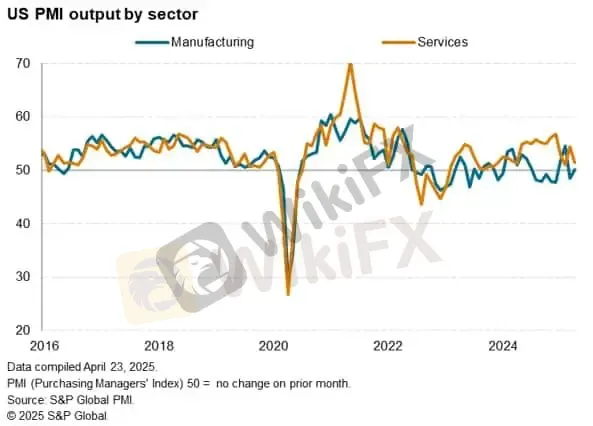
According to preliminary data from S&P Global, the U.S. Composite PMI for May came in at 51.7, unchanged from April.
The divergence between manufacturing and services activity widened notably:
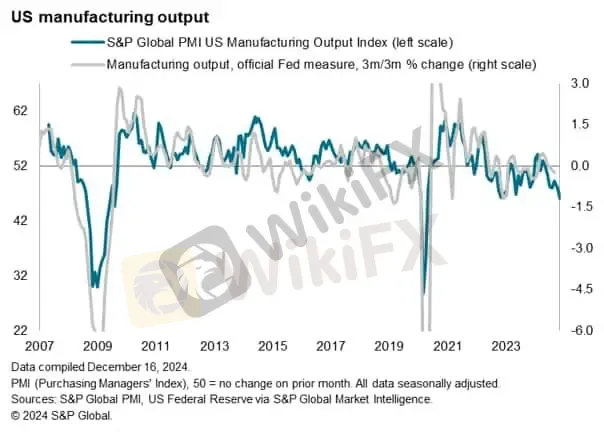
Manufacturing PMI surged to 55.3, marking the highest level in 48 months.
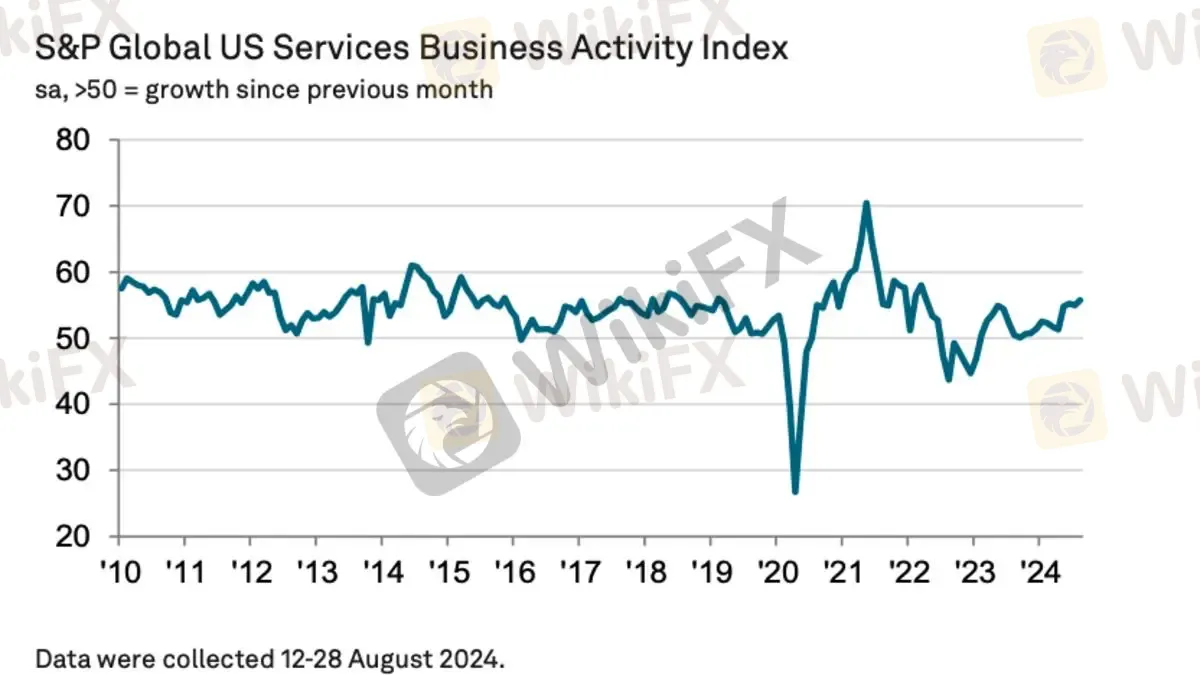
Services PMI slipped to 50.9, hovering near stagnation territory.
Input cost inflation accelerated to its fastest pace since late 2022, while selling price inflation climbed to its highest level in nearly four years.
Economists warned that May PMI data suggests second-quarter U.S. GDP annualized growth may struggle to exceed 1%. Meanwhile, new order growth slowed to its weakest pace in two years, further amplifying stagflation concerns.
Key Event to Watch (GMT+8)
22:00 ET | Final Reading of the University of Michigan Consumer Sentiment Index for May
Disclaimer:
The views in this article only represent the author's personal views, and do not constitute investment advice on this platform. This platform does not guarantee the accuracy, completeness and timeliness of the information in the article, and will not be liable for any loss caused by the use of or reliance on the information in the article.
WikiFX Broker
Latest News
CNMV Issues New Warning Against Unregistered Investment Platforms and a Clone Website
 WikiFX
Currency Calculator
USD

CNY
Current Rate:0
Enter amount
USD
Redeemable Amount
CNY
Calculate 