

Global Broker Regulation Inquiry App
About WikiFX
English
简体中文
繁體中文
English
Pусский
日本語
ภาษาไทย
Tiếng Việt
Bahasa Indonesia
Español
हिन्दी
Filippiiniläinen
Français
Deutsch
Português
Türkçe
한국어
العربية
اردو
Trump Signals Tactical Pause on Iran Strike, Markets Whipsaw on “TACO” Headlines
Abstract:【Chart 1: Trump Illustration】U.S. President Donald Trump announced Monday afternoon, May 18 (ET), that Washington would temporarily suspend a planned military strike against Iran originally scheduled
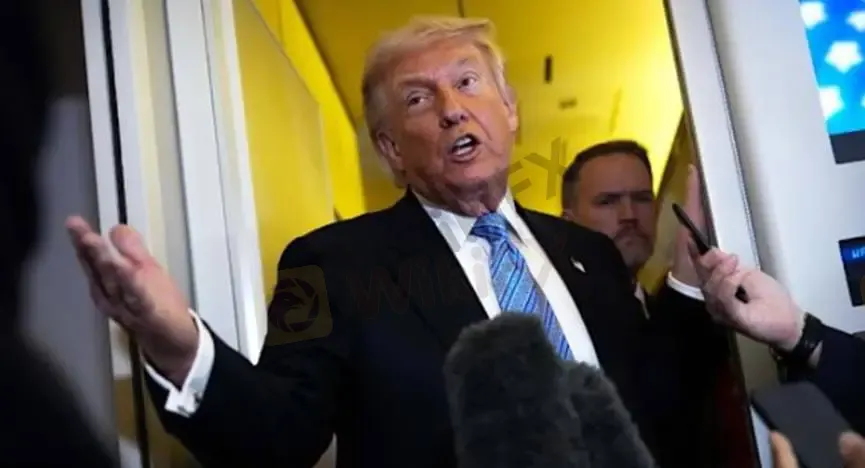
【Chart 1: Trump Illustration】
U.S. President Donald Trump announced Monday afternoon, May 18 (ET), that Washington would temporarily suspend a planned military strike against Iran originally scheduled for May 19, following direct requests from the leaders of Qatar, Saudi Arabia, and the UAE.
The move briefly eased tensions in the Middle East and opened a narrow diplomatic window amid escalating U.S.-Iran friction. Trump said both sides are engaged in “serious negotiations,” adding that Gulf allies believe an agreement remains possible. He stressed that any final deal must clearly ensure that “Iran cannot possess nuclear weapons.”
Trump stated that Defense Secretary Pete Hegseth, Joint Chiefs Chairman General Dan Caine, and U.S. military leadership had been instructed not to proceed with the planned operation. However, he emphasized that U.S. forces would remain on maximum alert and warned that Washington is still prepared to launch a “full-scale and overwhelming military response” if negotiations fail.
The announcement contrasted sharply with Trumps earlier hardline rhetoric. In recent days, he repeatedly warned Tehran that “time is running out” and signaled little willingness to compromise.
Following a phone call with Trump on May 17, Israeli Prime Minister Benjamin Netanyahu held consecutive high-level security meetings to prepare for the possibility of renewed military action. Markets had already been pricing in escalation risk, keeping oil prices volatile and elevated.
Market Reaction
WTI crude futures surged more than 4% intraday, briefly reaching $105.20 per barrel before reversing lower after Trumps statement and falling below $102.
U.S. equities rebounded in the final trading hour as geopolitical fears eased.
Over the past 24 hours, markets were repeatedly shaken by conflicting headlines ranging from “time running out” to “deal approaching,” before recovering again after the strike delay announcement.
The sharp swings underscored how sensitive global asset prices remain to geopolitical developments.
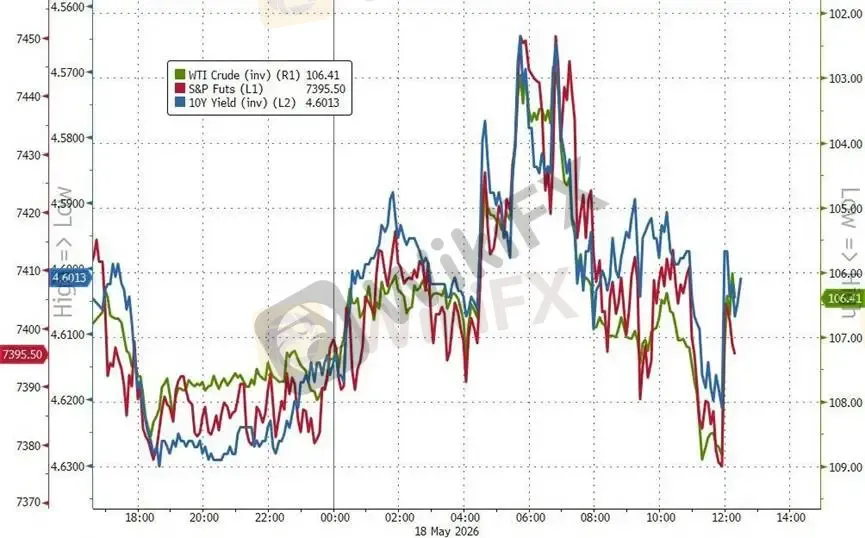
【Chart 2: Intraday Comparison of U.S. Stocks, Bonds, and Oil】Key DevelopmentsGulf States Push for De-Escalation
The involvement of Qatar, Saudi Arabia, and the UAE became a critical turning point. While Gulf nations rely on U.S. security support, they are also highly concerned about the economic consequences of a broader regional conflict, particularly risks tied to the Strait of Hormuz and energy exports.
Trump Maintains “Maximum Pressure”
The temporary pause does not signal a policy shift, but rather an extension of Trumps “carrot-and-stick” strategy. Washington continues to preserve the option of military action while pressuring Iran for concessions on nuclear issues, regional influence, and maritime security.
Israel Remains Firm
Netanyahu‘s continued security consultations suggest Israel still views Iran’s nuclear ambitions as its top strategic threat and remains aligned with Washington on maintaining pressure.
Diplomacy and Deterrence Together
The U.S. is balancing diplomatic engagement with military readiness, aiming to maximize negotiating leverage while avoiding immediate escalation.
Risks Remain
Despite the temporary pause, risks remain elevated. Whether Iran is willing to compromise on nuclear development or the Strait of Hormuz remains uncertain. If negotiations collapse, current military threats could quickly become reality.
The Strait of Hormuz handles roughly 20% of global oil shipments, making its stability critical for energy markets, inflation expectations, and global economic conditions.
What Markets Are Watching
Investors are now focused on:
Whether Gulf nations can facilitate direct U.S.-Iran negotiations
Whether Washingtons move is a genuine diplomatic opening or simply a tactical delay
Whether upcoming earnings from NVIDIA and other U.S. market catalysts can offset geopolitical risk concerns
Although tensions have temporarily eased, geopolitical premiums are likely to remain embedded across oil prices, Treasury yields, and broader risk assets. Investors should continue monitoring diplomatic developments and energy supply conditions closely, as geopolitical risk remains a dominant macro driver for global markets.
Disclaimer:
The views in this article only represent the author's personal views, and do not constitute investment advice on this platform. This platform does not guarantee the accuracy, completeness and timeliness of the information in the article, and will not be liable for any loss caused by the use of or reliance on the information in the article.
WikiFX Broker
Latest News
StoneX Review 2026: Should You Trade with This Broker?
 WikiFX
Yen Firms While Dollar Pauses
WikiFXGFS Review 2026: Withdrawal Complaints, Weak Regulation Data, and Account Access Risks
WikiFXTRANS X MARKETS Review 2026: Unregulated Status and Serious Withdrawal Complaints
WikiFXRyvoTrade Review 2026: Unregulated Status and Withdrawal Complaints
WikiFXPhillip Nova Review 2026: Should You Trade with This Broker?
WikiFXThinking About KATOPRIME? What Every Trader Should Know Before Depositing Funds
WikiFXYour Backtesting Results Mean Nothing If You Ignore This One Live Trading Reality
WikiFXOver US$2.9 Million Saved: Singapore's Crypto Scam Crackdown Sends a Warning to Malaysian Investors
WikiFXHow Pig Butchering Scams Drain Beginner Trading Accounts
WikiFX