

Global Broker Regulation Inquiry App
About WikiFX
English
简体中文
繁體中文
English
Pусский
日本語
ภาษาไทย
Tiếng Việt
Bahasa Indonesia
Español
हिन्दी
Filippiiniläinen
Français
Deutsch
Português
Türkçe
한국어
العربية
اردو

FXTRADING Economic Data Summary (Asia-Pacific | 05/08)
Abstract:Bank of Canada Warns of Energy Inflation Spillover RisksRecent remarks from Bank of Canada Governor Tiff Macklem have turned noticeably more hawkish compared to earlier guidance. Although the Bank of
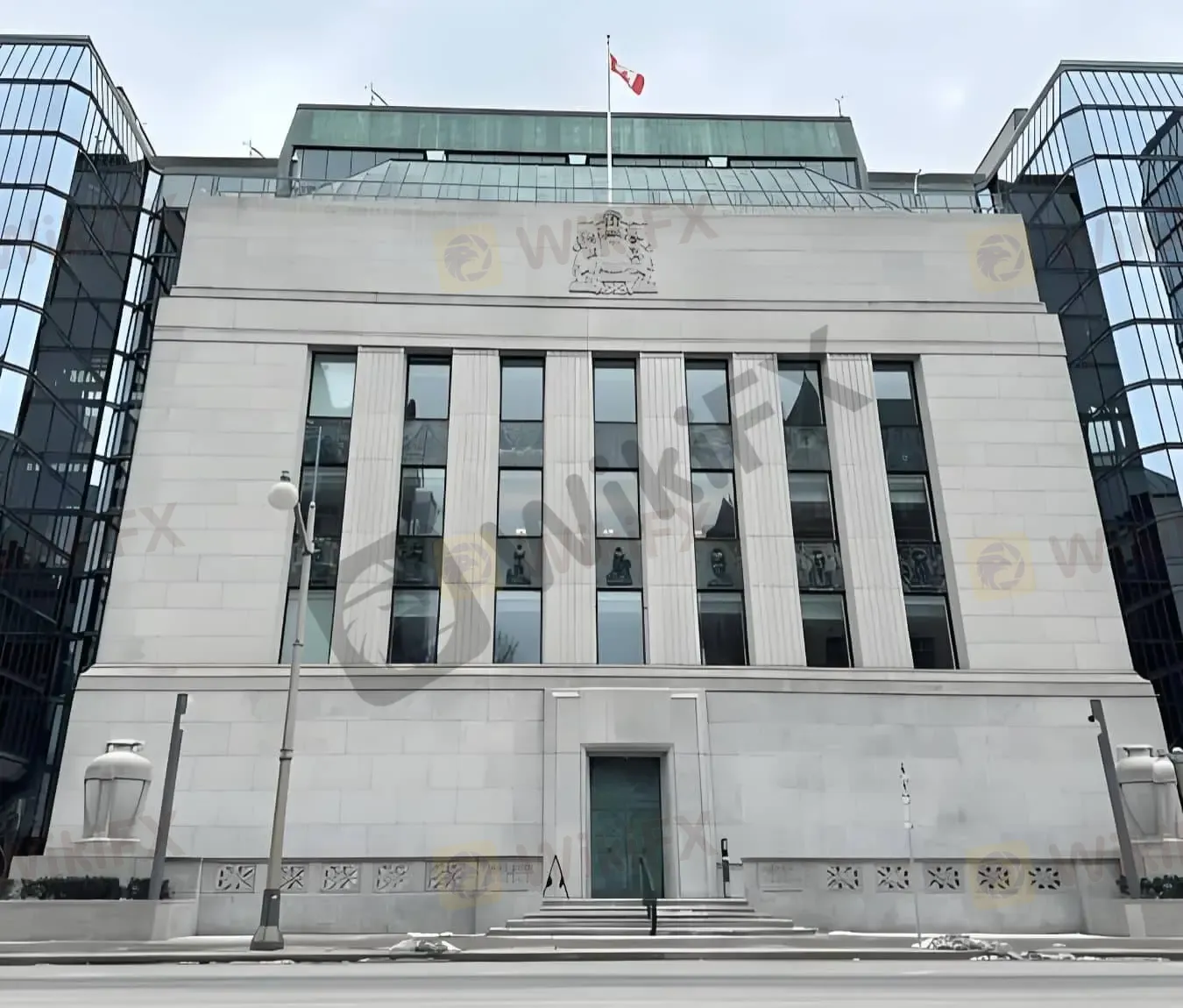
Bank of Canada Warns of Energy Inflation Spillover Risks
Recent remarks from Bank of Canada Governor Tiff Macklem have turned noticeably more hawkish compared to earlier guidance. Although the Bank of Canada still tends to view rising gasoline prices as a temporary shock for now, policymakers are increasingly concerned not only about oil prices themselves, but whether higher energy costs could gradually spread into wages, transportation, services, and broader corporate pricing systems.
Macklem stated that if global oil prices remain elevated for an extended period, the Bank of Canada may need to raise interest rates consecutively in order to contain inflation expectations. This marks one of the strongest hawkish signals from the central bank in recent months. The problem, however, is that Canadas economy itself is not particularly strong at the moment. The labor market has already begun to soften, while consumption and investment have yet to show meaningful acceleration. FXTRADING believes the central bank is now increasingly focused on preventing second-round inflation effects in advance. Compared with short-term oil price fluctuations, policymakers are more concerned that inflation expectations could become re-anchored at higher levels. If tensions in the Middle East fail to ease anytime soon, the probability of Canada shifting back toward tighter monetary policy is continuing to rise.
Eurozone PPI Rebounds Sharply
Eurozone producer prices rose 3.4% mom and 2.1% yoy in March, exceeding market expectations and highlighting renewed cost pressures across Europes industrial sector. The main driving force behind the increase remained the energy sector. Data showed that Eurozone energy producer prices surged 11.1% during the month, becoming the decisive factor behind the overall rise in PPI.
Beyond energy, prices for certain intermediate goods also increased by 0.7% mom. Although capital goods, durable goods, and non-durable goods prices still posted relatively modest gains of around 0.2% to 0.3%, markets have already begun to worry that the energy shock could gradually spread further across broader production chains. Over the past few months, Europe had started to see signs of easing inflation pressures, but ongoing disruptions to energy transportation caused by Middle East tensions are once again lifting industrial cost burdens. FXTRADING believes inflation pressures in the Eurozone are still mainly concentrated in the energy sector for now, but the key issue is that rising energy costs are beginning to filter back into industrial supply chains. If oil and gas prices remain elevated over the coming months, the inflation challenge facing the European Central Bank could prove more persistent than markets previously expected.

US ADP Employment Data Beats Expectations
US April ADP private employment data showed that payrolls increased by 109k, above market expectations of 79k and significantly stronger than the revised March figure of 61k. From a structural perspective, the service sector remained the main engine of job growth, adding 94k positions during the month, while goods-producing industries contributed 15k jobs, suggesting that the overall US labor market has yet to show clear signs of rapid deterioration.
By company size, small businesses added 65k jobs, while large firms contributed 42k, whereas medium-sized businesses only added 2k positions. FXTRADING believes that while the pace of US job growth is slowing, the labor market overall still retains considerable resilience. In particular, large corporations and the service sector continue to provide meaningful employment support, implying that the likelihood of a sharp near-term slowdown in the US economy remains limited.

New Zealand Employment Data Improves
New Zealands unemployment rate declined slightly from 5.4% to 5.3% in the first quarter, while employment increased 0.2% qoq. Although the gain was slightly below market expectations of 0.3%, the data at least suggest that the labor market is no longer deteriorating further and that conditions are beginning to show tentative signs of stabilization.
However, the decline in unemployment was not entirely driven by stronger hiring. The labor force participation rate fell from 70.5% to 70.4%, while the employment rate remained unchanged at 66.7%, indicating that part of the decline in unemployment was due to people leaving the labor force.FXTRADING believes that New Zealands labor market is currently closer to a state of weak stabilization rather than a clear recovery. Since employment growth remains limited while labor force participation has softened, the likelihood of the RBNZ keeping interest rates unchanged in the near term remains relatively high.
Disclaimer:
The views in this article only represent the author's personal views, and do not constitute investment advice on this platform. This platform does not guarantee the accuracy, completeness and timeliness of the information in the article, and will not be liable for any loss caused by the use of or reliance on the information in the article.
WikiFX Broker
Latest News
StoneX Review 2026: Should You Trade with This Broker?
 WikiFX
Yen Firms While Dollar Pauses
WikiFXGFS Review 2026: Withdrawal Complaints, Weak Regulation Data, and Account Access Risks
WikiFXTRANS X MARKETS Review 2026: Unregulated Status and Serious Withdrawal Complaints
WikiFXRyvoTrade Review 2026: Unregulated Status and Withdrawal Complaints
WikiFXPhillip Nova Review 2026: Should You Trade with This Broker?
WikiFXThinking About KATOPRIME? What Every Trader Should Know Before Depositing Funds
WikiFXYour Backtesting Results Mean Nothing If You Ignore This One Live Trading Reality
WikiFXOver US$2.9 Million Saved: Singapore's Crypto Scam Crackdown Sends a Warning to Malaysian Investors
WikiFXHow Pig Butchering Scams Drain Beginner Trading Accounts
WikiFX