

Global Broker Regulation Inquiry App
About WikiFX
English
简体中文
繁體中文
English
Pусский
日本語
ภาษาไทย
Tiếng Việt
Bahasa Indonesia
Español
हिन्दी
Filippiiniläinen
Français
Deutsch
Português
Türkçe
한국어
العربية
اردو

DBG Markets | Understanding Margin in CFDs: How to Avoid Margin Call Risk Part 2
Abstract:Understanding Margin LevelAmong all margin-related terms, margin level is one of the most crucial indicators for avoiding a margin call. It reflects the overall health of your trading account and your

Understanding Margin Level
Among all margin-related terms, margin level is one of the most crucial indicators for avoiding a margin call. It reflects the overall health of your trading account and your ability to maintain open positions.
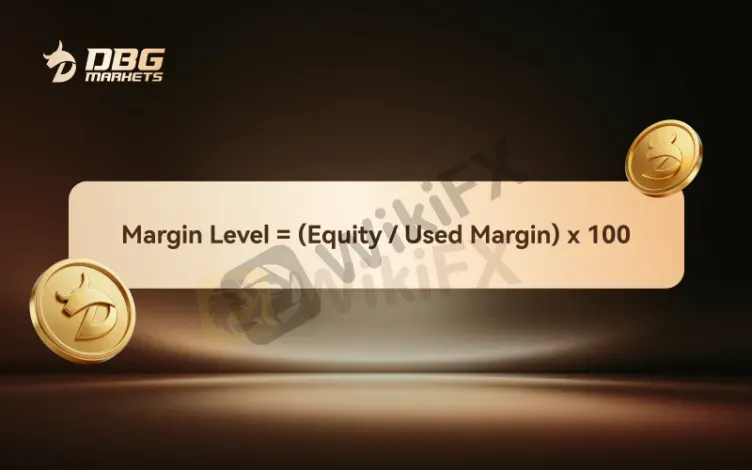
This percentage shows how much equity you have relative to the margin currently being used:
· A margin level above 100% means you have more equity than the required margin. Your positions are considered safe, and there is no immediate risk of a margin call.
· A margin level below 100% suggests your equity is less than the used margin. This may trigger a margin call, depending on your brokers policy.
Margin Call vs. Stop Out
At DBG Markets, specific threshold percentages are used to protect your account:
· Margin Call (100%): Occurs when your Equity equals your Used Margin. This serves as an alert that your account has reached a critical level.
· Stop Out (50%): If your Equity continues to drop and reaches 50% of your Used Margin, a stop out is triggered. The system will automatically begin closing positions to prevent further losses.
How to Avoid a Margin Call
Avoiding a margin call is essential for long-term success in CFD and forex trading. It is also a fundamental aspect of sound risk management. A margin call can lead to the forced closure of positions and significant losses—something every trader should strive to avoid.
Here are four key strategies to help you manage your account effectively and reduce the risk of a margin call:
1. Use Lower Leverage
While leverage allows traders to control larger positions with smaller capital, it also magnifies both gains and losses. Using lower leverage provides your trades with more breathing room, especially during periods of high volatility.
Remember: Leverage is a tool to enhance capital efficiency, not to overexpose your account. Responsible use of leverage can help you avoid sudden liquidation.
2. Monitor Your Margin Level Closely
Keeping a close eye on your margin level is critical, particularly during major economic releases or market-moving events. Most trading platforms display real-time margin metrics and may allow you to set alerts when your margin level approaches key thresholds.
3. Implement Stop-Loss Orders
A well-placed stop-loss order is one of the most effective tools to control risk. By defining your maximum acceptable loss per trade, you can prevent unexpected market swings from significantly depleting your equity.
Setting stop-loss levels not only protects individual trades but also helps preserve overall account balance—reducing the risk of margin calls.
4. Avoid Overleveraging and Overtrading
Opening too many positions simultaneously can stretch your margin too thin. This leaves little room for market fluctuations and increases the likelihood of triggering a margin call.
Maintain a balanced trading portfolio and ensure that you always have sufficient free margin available to support your trades.
Final Thoughts: Margin is a Double-Edged Sword
In the world of CFD trading, margin is one of the most powerful tools at your disposal, but it is also one of the most dangerous if left unmonitored. A Margin Call is not just a technical notification; it is the markets final warning that your risk management has reached a breaking point.
While high leverage—like the 500:1 offered at DBG Markets—provides the opportunity to control large positions with minimal capital, it demands a disciplined approach. The goal of a successful trader is not just to capture gains, but to ensure they have enough “breathing room” to survive market volatility.
The Bottom Line: Treat your margin level as the “pulse” of your trading account. By prioritizing capital preservation through stop-losses, sensible leverage, and consistent monitoring, you transform margin from a potential pitfall into a strategic advantage. Remember, in trading, staying in the game is just as important as winning the trade.
Disclaimer:
The views in this article only represent the author's personal views, and do not constitute investment advice on this platform. This platform does not guarantee the accuracy, completeness and timeliness of the information in the article, and will not be liable for any loss caused by the use of or reliance on the information in the article.
WikiFX Broker
Latest News
TRANS X MARKETS Review 2026: Unregulated Status and Serious Withdrawal Complaints
 WikiFX
RyvoTrade Review 2026: Unregulated Status and Withdrawal Complaints
WikiFXPhillip Nova Review 2026: Should You Trade with This Broker?
WikiFXGFS Review 2026: Withdrawal Complaints, Weak Regulation Data, and Account Access Risks
WikiFXYen Firms While Dollar Pauses
WikiFXStoneX Review 2026: Should You Trade with This Broker?
WikiFXThinking About KATOPRIME? What Every Trader Should Know Before Depositing Funds
WikiFXYour Backtesting Results Mean Nothing If You Ignore This One Live Trading Reality
WikiFXHow Pig Butchering Scams Drain Beginner Trading Accounts
WikiFXWeltrade Review 2026: Is This Forex Broker Safe?
WikiFX