

Global Broker Regulation Inquiry App
About WikiFX
English
简体中文
繁體中文
English
Pусский
日本語
ภาษาไทย
Tiếng Việt
Bahasa Indonesia
Español
हिन्दी
Filippiiniläinen
Français
Deutsch
Português
Türkçe
한국어
العربية
اردو
ETO Markets TrendWatch|White House‑Linked Stocks Surge as Policy Becomes the New Market Anchor
Abstract:Since the start of Donald Trumps second term, a clear but long‑undervalued market theme has emerged. Policy has re‑established itself as a central anchor in asset pricing.ETO Markets will continue to

Since the start of Donald Trumps second term, a clear but long‑undervalued market theme has emerged. Policy has re‑established itself as a central anchor in asset pricing.
ETO Markets will continue to analyze policy trajectories and cross‑asset linkages to help investors identify emerging pricing anchors and structural opportunities.
1.National Security Assets
Intel is the clearest example. For the administration, Intel is not merely a chipmaker but the core carrier of Americas advanced process technology and domestic foundry capability. Under themes such as chip autonomy, risk reduction and defense supply chain security, Intel has received substantial subsidies, tax incentives, defense orders and policy preference.
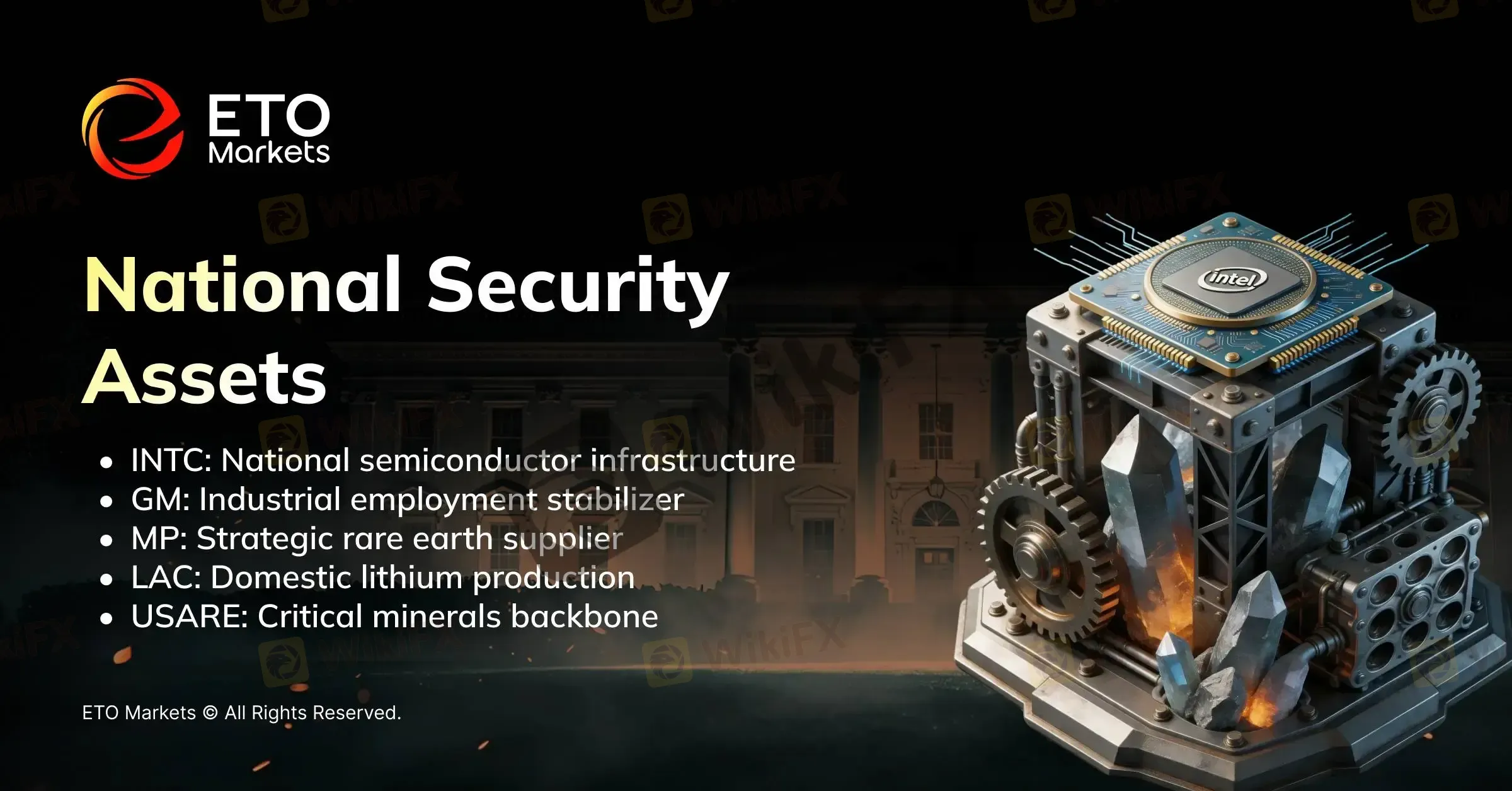
General Motors represents another form of policy linkage. While the surface narrative centers on electric vehicle transition, the deeper policy objective is to preserve US auto industry employment, manufacturing capacity and domestic industrial resilience. Federal loans, tax credits and industrial incentives all map back to reshoring and blue‑collar job stability.
Critical mineral producers illustrate national security attributes even more directly.
2.The AI Compute National Team
Nvidia and AMD represent Americas leadership in AI‑era compute power.
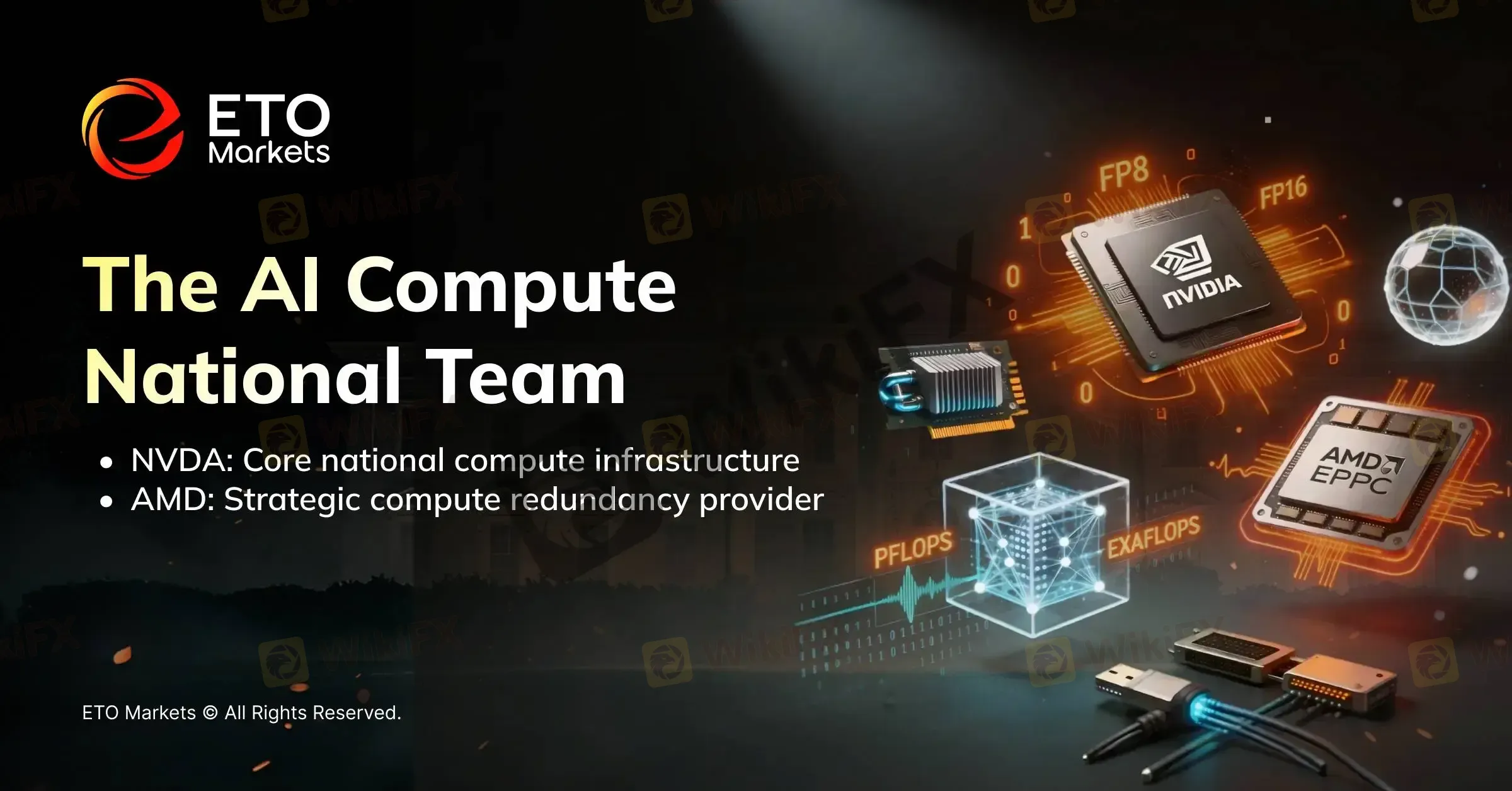
Nvidia‘s profile has shifted from a high‑growth tech stock to core infrastructure of the national compute system. As AI becomes a strategic variable in global competition, high‑end GPUs are treated as strategic resources. Export controls and technology restrictions reinforce Nvidia’s dominance in advanced AI chips, while the Department of Defense, national laboratories, federal research agencies and government‑supported supercomputing projects provide sustained demand.
AMD benefits through diversification and strategic redundancy. As the White House pushes for a secure, domestically anchored compute ecosystem, AMD gains from high‑performance computing expansion and from the policy preference to avoid concentration risk in a single supplier. Its role across CPUs, GPUs and accelerators positions it as the second‑tier national compute provider.
3.Political‑Corporate Alliances and the Defense Complex
Tesla is the most prominent example. Beyond electric vehicles, robotics and autonomous driving, its valuation is influenced by the close alignment between Elon Musk and the policy core. Media reports often highlight Musks role as a major donor, influential public voice and industrial figure. This relationship can shape regulatory timelines for autonomous driving, AI infrastructure planning and federal policy direction.
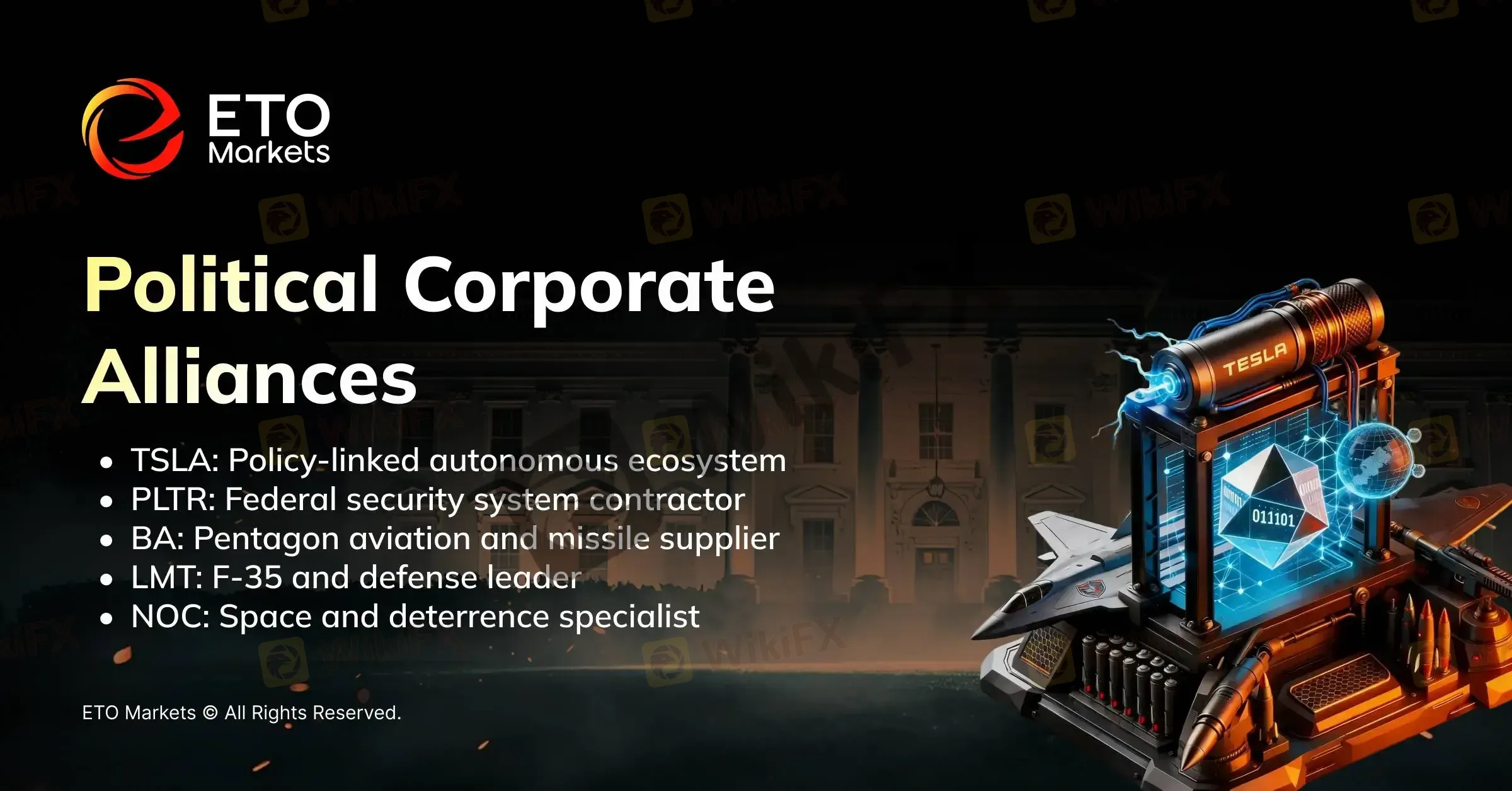
Palantir illustrates direct monetization of policy execution. The company has long been embedded in US defense, intelligence, immigration enforcement and border security systems. Should the administration advance stricter border and security policies, Palantirs government contracts would likely expand, and its valuation tends to reflect this policy exposure.
4.Emerging Industries Enter a Policy‑Aligned Cycle
While earlier categories benefit from national security and industrial policy, Coinbase and Constellation Energy benefit from shifts in regulatory direction.
Coinbase has long been constrained by regulatory uncertainty. Analysts note that friendlier crypto regulation, reduced enforcement pressure or discussions around strategic digital asset reserves could lift the structural ceiling on its business.

Constellation Energy sits at the intersection of AI‑driven power demand and nuclear policy reassessment. As AI data center electricity consumption surges, the White House is increasingly framing nuclear energy as a matter of energy security and compute reliability rather than environmental debate. As one of Americas largest zero‑carbon nuclear operators, Constellation is being revalued as compute‑critical energy infrastructure.
Disclaimer
The information contained herein is for general reference only and does not constitute investment advice, a solicitation, or an offer to buy or sell any financial products.
ETO Markets does not guarantee the accuracy, completeness, or timeliness of the information and shall not be liable for any losses incurred from reliance on such content.
Disclaimer:
The views in this article only represent the author's personal views, and do not constitute investment advice on this platform. This platform does not guarantee the accuracy, completeness and timeliness of the information in the article, and will not be liable for any loss caused by the use of or reliance on the information in the article.
WikiFX Broker
Latest News
StoneX Review 2026: Should You Trade with This Broker?
 WikiFX
Yen Firms While Dollar Pauses
WikiFXGFS Review 2026: Withdrawal Complaints, Weak Regulation Data, and Account Access Risks
WikiFXTRANS X MARKETS Review 2026: Unregulated Status and Serious Withdrawal Complaints
WikiFXRyvoTrade Review 2026: Unregulated Status and Withdrawal Complaints
WikiFXPhillip Nova Review 2026: Should You Trade with This Broker?
WikiFXThinking About KATOPRIME? What Every Trader Should Know Before Depositing Funds
WikiFXYour Backtesting Results Mean Nothing If You Ignore This One Live Trading Reality
WikiFXOver US$2.9 Million Saved: Singapore's Crypto Scam Crackdown Sends a Warning to Malaysian Investors
WikiFXHow Pig Butchering Scams Drain Beginner Trading Accounts
WikiFX