

Global Broker Regulation Inquiry App
About WikiFX
English
简体中文
繁體中文
English
Pусский
日本語
ภาษาไทย
Tiếng Việt
Bahasa Indonesia
Español
हिन्दी
Filippiiniläinen
Français
Deutsch
Português
Türkçe
한국어
العربية
اردو
Broker Minimum Deposits and the Reality of Account Setup
Abstract:A practical guide for new traders explaining broker minimum deposits, the account verification process, and the hidden dangers of using underground money channels. The main takeaway is to prioritize formal account setups and transparent funding methods over shady shortcuts.
Broker Minimum Deposits and the Reality of Account Setup
Setting up your first Forex account usually brings up a lot of immediate questions. You want to know exactly how much capital is required, what documents you need to submit, and whether the person helping you is a legitimate agent or just someone trying to take a cut. Before you place your first trade in the market, it helps to understand how the onboarding process actually works and where the real risks lie.
How Much Money Do You Actually Need?
Many beginners assume they need thousands of dollars to start trading. In reality, the barrier to entry is entirely decided by the platform and the funding method you choose.
Deposit thresholds vary widely across the thousands of brokers operating today. Some allow you to start with just a few dollars, but major retail platforms typically set practical limits. For example, a leading broker might require a $100 minimum if you are funding via a bank wire transfer, but only a $50 minimum if you are using a credit card.
You should always clarify these exact funding thresholds before committing. Understanding these limits upfront prevents you from getting stuck halfway through registration with an account you cannot afford to activate.
Direct Setup vs. Using an Agent
There are generally two ways to open an account: applying directly through the broker's official system or going through an Introducing Broker (IB) or agent.
If you apply directly, you will need to upload your own identity documents and proof of address. Industry-standard proof of address usually means a recent utility bill or a credit card statement. This verification is standard procedure to ensure a secure trading environment.
If you choose to use an agent, they will guide you through this documentation process. Agents typically come in two forms: individual agents who might just be experienced traders referring their network, and company agents that operate as larger businesses offering technical support or structured training.
Working with an agent can sometimes offer financial benefits like trading rebates. A rebate is a system where a fraction of your transaction costs is returned to your account, lowering your overall expenses. However, the rebate amount usually depends heavily on your trading volume. While agents can make the process smoother, remember that you are trusting a third party with your personal details. Make sure they are formally tied to a regulated platform.
What You Are Actually Trading
Once your account is funded and verified, you will face a screen full of currency pairs. Every Forex trade involves buying one currency while simultaneously selling another.
In a major pair like EUR/USD, the Euro is the “base currency” and the US Dollar is the “quote currency.” If the system shows a price of 1.2500, it simply means one Euro costs 1.25 US Dollars. The daily price movements you see are largely driven by the policies of major central banks—like the US Federal Reserve or the European Central Bank—adjusting interest rates to manage regional inflation and economic stability.
Whenever you open a trade on these pairs, you immediately take on transaction risk. This is the constant exposure that the exchange rate will move against your position before you have a chance to close it out.
The Danger of Unofficial Currency Exchange
One of the most dangerous traps for new investors has nothing to do with the charts. It is how they choose to move their capital.
Because foreign exchange involves moving money across borders, some beginners try to lower transfer fees or bypass strict local banking controls by using unauthorized third parties or underground money changers to fund their accounts.
You should strictly avoid this. Bypassing formal banking channels to buy or sell foreign currency privately is treated as illegal foreign exchange manipulation in many jurisdictions. Financial authorities heavily monitor these underground networks, and participating in them can lead to massive fines or frozen assets.
If an agent or account manager instructs you to transfer your trading capital to a random personal bank account instead of a broker's official corporate clearing account, step away immediately.
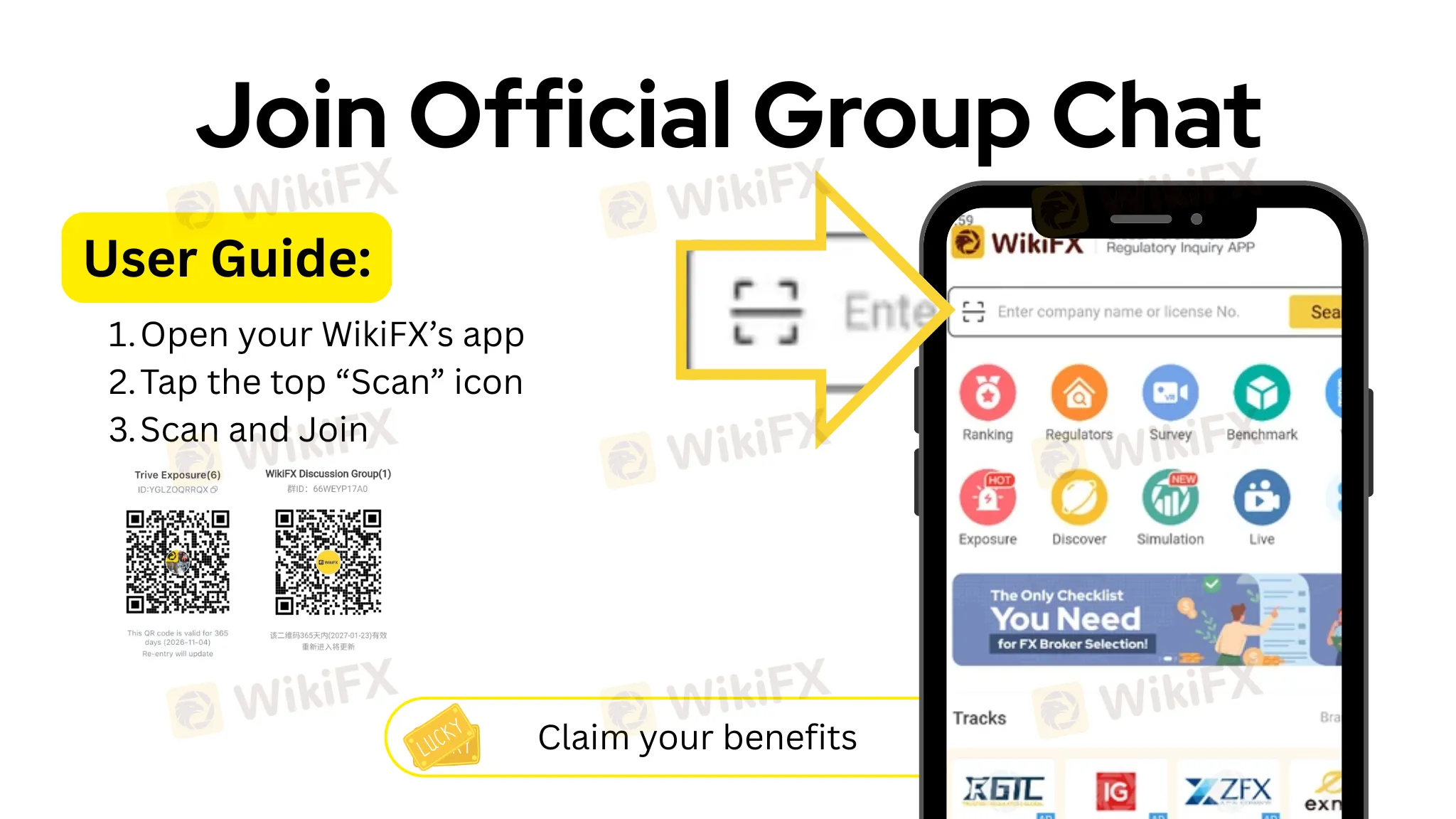
The mechanics of starting your trading journey are safe and straightforward as long as you respect the basic rules. Stick to transparent deposit methods, provide genuine verification documents, and avoid unofficial transfer schemes. Before you hand over any ID or make that first deposit, you can use the WikiFX app to quickly check if your chosen broker holds a valid regulatory license and operates legally.

Disclaimer:
The views in this article only represent the author's personal views, and do not constitute investment advice on this platform. This platform does not guarantee the accuracy, completeness and timeliness of the information in the article, and will not be liable for any loss caused by the use of or reliance on the information in the article.
WikiFX Broker
Latest News
InstaForex Review 2026: Is This Forex Broker Safe?
 WikiFX
SandStoneFX Review 2026: Is This Forex Broker Safe?
WikiFXFake Investment Scam and Human Trafficking Network Busted with 109 Arrested
WikiFXFacing a 20% Floating Loss: How Beginners Can Prevent a Margin Call
WikiFXForex Traders With Day Jobs: The PERKESO Deadline You Cannot Ignore
WikiFXLOYAL PRIMUS Review: FSCA-Regulated Broker Faces Mounting Withdrawal Complaints
WikiFXGFS Review 2026: Withdrawal Complaints, MT5 Access, and Regulation Gaps
WikiFXHow Trading Costs Quietly Drain Your Account: Spreads, Swaps, and Pip Values
WikiFXWhy MetaTrader 4 Remains the Top Choice for Testing Automated Trading Robots
WikiFXDollar Firms as Geopolitics Pressures Asian Currencies
WikiFX