

Global Broker Regulation Inquiry App
About WikiFX
English
简体中文
繁體中文
English
Pусский
日本語
ภาษาไทย
Tiếng Việt
Bahasa Indonesia
Español
हिन्दी
Filippiiniläinen
Français
Deutsch
Português
Türkçe
한국어
العربية
اردو
Stop Winging Your Trades: Why a Trading Plan and Trade Journal Will Save Your Account
Abstract:You've probably heard this before. "Have a plan." "Write it down." "Track your trades." And then you ignored it.
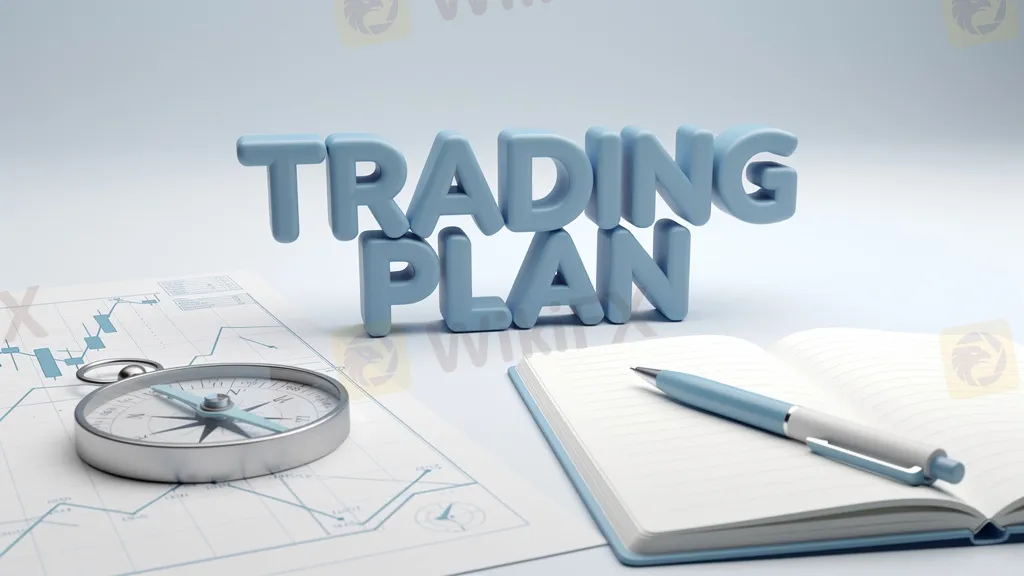
Stop Winging Your Trades: Why a Trading Plan and Trade Journal Will Save Your Account
You've probably heard this before. “Have a plan.” “Write it down.” “Track your trades.”
And then you ignored it.
I get it. When EUR/USD is moving 80 pips and you're watching from the sidelines, the last thing you want to do is open a spreadsheet.
But here's the reality check: the Forex market doesn't care about your gut feeling. It never has.
Why Do Most Forex Traders Blow Their Accounts?
It's not because they couldn't read a chart.
It's not because they didn't know what a moving average is.
It's because they had no plan. And when there's no plan, emotion runs the show.
Fear makes you close a perfectly good EUR/USD long 20 pips too early. Greed makes you hold a losing GBP/JPY short “just a little longer.” Before you know it, you've wiped out two weeks of gains in a single session.
This is what behavioral finance researchers call loss aversion. Your brain is wired to feel losses roughly twice as hard as gains. So when a trade goes red, your instinct is to freeze, hope, or double down — none of which are actual trading strategies.
A trading plan removes that instinct from the equation.
What a Trading Plan Actually Does For You
Think of it like this. Before a pilot takes off, every single decision for that flight is already made. Altitude. Speed. Emergency procedures. None of that is figured out mid-air.
Your trading plan is the same thing.
Before you click “Buy” on USD/JPY, your plan already answers:
- What's my entry trigger? (a specific price level, a breakout, a pattern)
- Where's my stop loss? (not “somewhere below,” an actual pip number)
- What's my target? (your reward-to-risk ratio should be clear before entry)
- How much of my account am I risking? (the golden rule: never more than 1-2% per trade)
The traders who survive long-term are not geniuses. They are people who commit to a process and execute it the same way, every single time. Consistency compounds. Chaos bleeds accounts.
What a Trade Journal Does That Nobody Tells You
Your trading plan tells you what to do before the trade.
Your trade journal tells you if your plan is actually working.
Write down every trade. Not just the winners — especially the losers.
Log the pair, the setup, your entry, your stop, your target, and the outcome. Then write one sentence about your emotional state. Were you impatient? Did you second-guess the setup? Did you move your stop because “it felt like it would come back”?
After 30-50 trades, patterns emerge that you'd never see in your head.
Maybe you're profitable on GBP/USD during the London session but consistently losing on the New York open. Maybe your trend-following setups print money but your counter-trend trades drain you. Your journal shows you exactly where your edge lives — and where it doesn't.
This is how you build a stable trading model. Not by following someone else's signals. By studying your own data.
The Safety Layer You Cannot Skip
Before any of this matters, you need to be trading with a regulated broker.
A solid plan means nothing if your broker is pocketing your profits or rejecting withdrawals. Always verify a broker's license and regulatory status on WikiFX before depositing a single dollar. It's a free tool that shows you which brokers are properly regulated and which ones have complaint histories you need to know about.
Also — never trade with money you need. Your “trading capital” must be money you can afford to lose completely. If you're stressed about rent while watching a trade move against you, discipline disappears instantly.
The Move: Start Here, Today
Don't wait until you have the “perfect” plan.
Step 1: Open a demo account if you're still learning. Test your strategy for 30 trades minimum before risking real money.
Step 2: Write your trading rules on paper. Entry conditions. Stop loss rules. Position sizing formula. Maximum daily loss limit.
Step 3: Create a simple trade journal. A basic spreadsheet works fine. Log every trade, every session.
Step 4: Review your journal weekly. Look for patterns in both your wins and your losses.
Step 5: Check any broker you use on WikiFX before moving real funds.
The market will always be there tomorrow. Your account might not be if you keep trading without structure.
Build the plan. Keep the journal. Follow the rules like they were written in concrete — because for a disciplined trader, they are.
This article is for educational purposes only and does not constitute financial advice. Forex trading involves significant risk of loss. Never trade with funds you cannot afford to lose. Past performance is not indicative of future results.

Disclaimer:
The views in this article only represent the author's personal views, and do not constitute investment advice on this platform. This platform does not guarantee the accuracy, completeness and timeliness of the information in the article, and will not be liable for any loss caused by the use of or reliance on the information in the article.
WikiFX Broker
Latest News
StoneX Review 2026: Should You Trade with This Broker?
 WikiFX
Yen Firms While Dollar Pauses
WikiFXGFS Review 2026: Withdrawal Complaints, Weak Regulation Data, and Account Access Risks
WikiFXTRANS X MARKETS Review 2026: Unregulated Status and Serious Withdrawal Complaints
WikiFXRyvoTrade Review 2026: Unregulated Status and Withdrawal Complaints
WikiFXPhillip Nova Review 2026: Should You Trade with This Broker?
WikiFXThinking About KATOPRIME? What Every Trader Should Know Before Depositing Funds
WikiFXYour Backtesting Results Mean Nothing If You Ignore This One Live Trading Reality
WikiFXOver US$2.9 Million Saved: Singapore's Crypto Scam Crackdown Sends a Warning to Malaysian Investors
WikiFXHow Pig Butchering Scams Drain Beginner Trading Accounts
WikiFX