


Global Broker Regulation Inquiry App
About WikiFX
English
简体中文
繁體中文
English
Pусский
日本語
ภาษาไทย
Tiếng Việt
Bahasa Indonesia
Español
हिन्दी
Filippiiniläinen
Français
Deutsch
Português
Türkçe
한국어
العربية
اردو
QUOTEX Review 2026: Is this Forex Broker Legit or a Scam?
Abstract:QUOTEX holds a critical WikiFX Score of 1.50, operating as an unregulated entity with multiple blacklists from global financial authorities. With a surge of complaints regarding blocked withdrawals and account suspensions in 2024 and 2025, this platform presents a severe risk to client safety.
Executive Summary: QUOTEX is an unregulated broker headquartered in St. Vincent and the Grenadines with a dangerously low WikiFX Score of 1.50. It has been flagged by multiple international regulators and faces a massive volume of user complaints regarding blocked withdrawals and account price manipulation.
Finding a trustworthy Forex broker can feel like walking through a minefield. Before you trust a platform with your hard-earned savings, you need to look beyond the flashy website ads. In this QUOTEX review, we analyze why this broker's score has plummeted and why traders from around the world are raising alarms. The data suggests that for most investors, the risks here far outweigh the potential rewards.
 Contents
Question 1: Regulation & Safety: Is my money safe?
No, your money does not appear to be safe with this broker. According to the database, QUOTEX operates out of St. Vincent and the Grenadines without any valid financial license. The WikiFX system has detected that this broker has no valid regulation, resulting in a failing score of 1.50/10.
The Regulatory Red Flags
Safety in trading depends entirely on valid regulation. Real regulators force brokers to play fair. QUOTEX, however, has been blacklisted by several authorities:
- Indonesia (BAPPEBTI): Listed as an illegal commodity futures trading website, often characterized as gambling under the guise of trading.
- Portugal (CMVM) & Estonia (FSA): Both have issued warnings that QUOTEX is unauthorized to provide services.
Educational Insight: What is Counterparty Risk?
Because QUOTEX is unregulated, you face extreme “Counterparty Risk.” In a regulated environment, brokers keep your money in “Segregated Accounts” (separate from their own expenses). With an unregulated offshore broker, they often hold your funds in their own pockets. If they decide to close your account or disappear, no government agency can step in to recover your money. You are essentially trusting a stranger's promise rather than the law.
Question 2: What are real traders complaining about?
The database for QUOTEX is filled with over 39 severe complaints in recent months. The stories from casesText paint a worrying picture of what happens after you deposit money.
1. Withdrawal Failures
This is the most common issue. Traders from Colombia, Mexico, and Egypt reported that their withdrawal requests are ignored or rejected without cause.
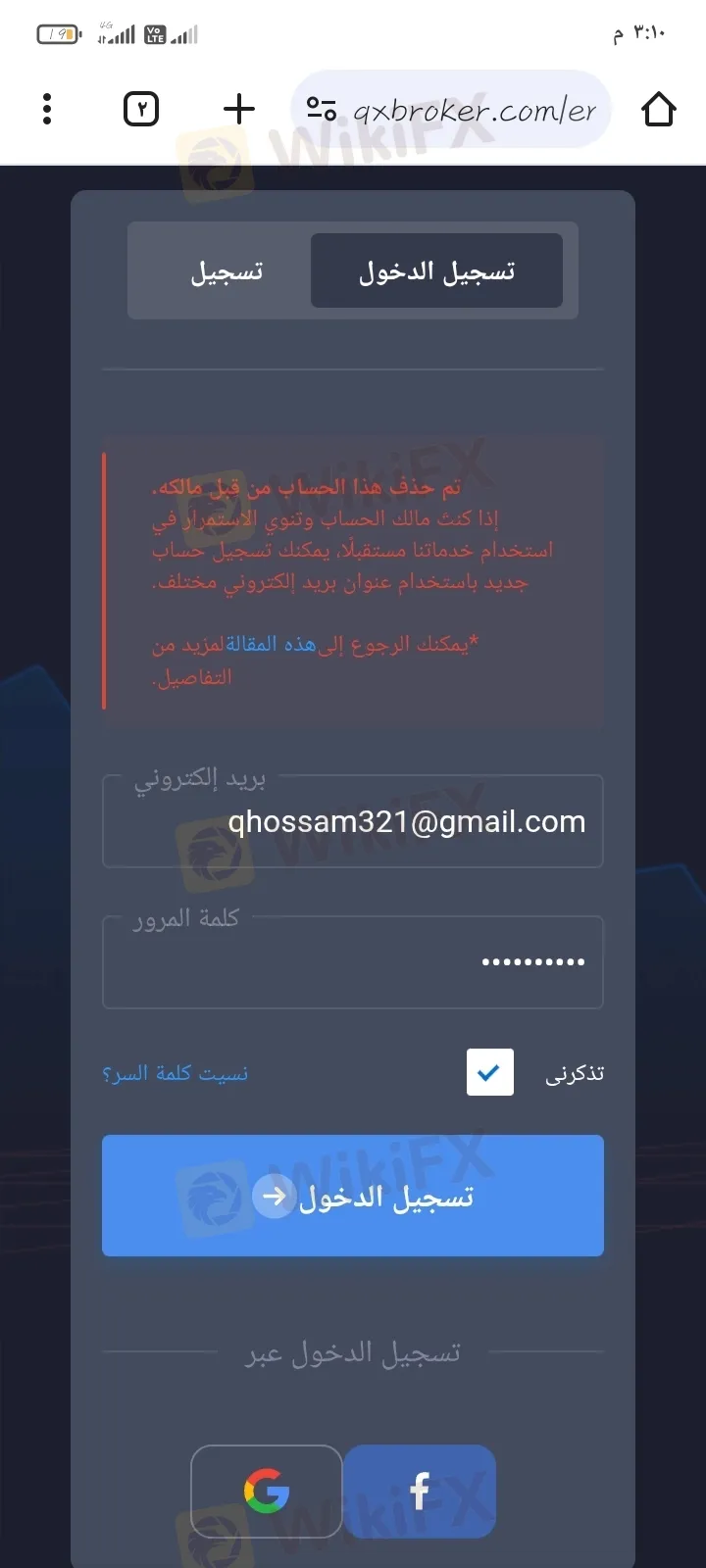
Case Evidence: One user from Colombia (March 2025) reported trying to withdraw for two weeks, only to be told to “wait” repeatedly. Another from Argentina (April 2024) requested a withdrawal, but the broker simply stopped responding after the 48-hour processing window passed.
2. Sudden Account Suspensions
Users from India and Indonesia shared similar terrifying stories: their accounts were suspended immediately after they requested a withdrawal or made a profit.
- Case Evidence: An investor from India (Jan 2025) had their account suspended for “violating company rules” without any explanation, trapping their funds inside. Another user from Indonesia (Dec 2024) had their account closed unilaterally after accumulating a significant balance.
3. Price Manipulation Accusations
A trader from Peru (Feb 2025) provided a detailed account of “fictitious entries.” They left their account with a positive balance, only to find it drained to zero hours later due to unauthorized trades executed while they were at work. This suggests potential back-end manipulation of the trading software.
Pro Tip: If a broker delays your withdrawal and asks for more money to “unlock” your account (taxes, fees, deposits), do not pay. This is a classic recovery scam tactic. A legitimate broker will deduct fees from the balance, not ask for a fresh transfer.
Question 3: What software will I use?
QUOTEX appears to use a proprietary web-based platform rather than the industry-standard MT4 or MT5. While their social media channels mention the “quotex_platform,” user feedback highlights significant risks with their system.
The “Login” Trap
Several users have reported issues where they cannot access their accounts right when they need to withdraw. Security is critical here. Always ensure you are on the official site before entering your login details to avoid phishing scams, but be aware that with unregulated proprietary platforms, the broker controls the “Switch.”
Platform Manipulation Risk
Proprietary platforms allow the broker to host the charts themselves. As seen in the complaint from Peru regarding “altered candles” (velas alteradas), users suspect that the price you see on the screen might not match the real market price. This is done to force your trade into a loss—a practice essentially impossible on audited platforms used by regulated brokers.
Final Verdict: Should I open an account?
Absolutely not.
QUOTEX displays all the classic warning signs of a high-risk entity: no regulation, an offshore registration in St. Vincent, official warnings from three different government regulators, and a pattern of blocking successful traders. The WikiFX score of 1.50 reflects a “Stay Away” status. There is no safety net for your funds here.
Status changes daily. Before depositing, check the WikiFX App for the latest real-time certificate and to find brokers with legitimate licenses and high user ratings.
Disclaimer:
The views in this article only represent the author's personal views, and do not constitute investment advice on this platform. This platform does not guarantee the accuracy, completeness and timeliness of the information in the article, and will not be liable for any loss caused by the use of or reliance on the information in the article.
WikiFX Broker
Latest News
Belgium’s FSMA Flags 25 Fraudulent Trading Platforms
 WikiFX
EPFX Review 2026: Should You Trade with This Broker?
WikiFXCash Trust Scheme Cost 1,800 Victims More Than RM100 Million
WikiFXTHEFALCON MARKETS Review 2026: Is This Forex Broker Safe?
WikiFXACY Securities Review: Regulation Warnings, Withdrawal Pain, and Broker Risk Signals
WikiFXTrading Pro Review: Withdrawal Complaints, FCA Warning, and Broker Risk Exposed
WikiFXChinese Tycoon Guo Wengui Gets 30 Years in US Prison for $1 Billion Fraud Scheme
WikiFXNinja Trader Review 2026: Should You Trade with This Broker?
WikiFXWhy Slippage Explodes Your Stop Loss During Data Releases and Rollovers
WikiFXHow Long Does Your Buy Limit Last? Understanding Time in Force Settings
WikiFXCurrency Calculator
USD

CNY
Current Rate:0
Enter amount
USD
Redeemable Amount
CNY
Calculate 