

Global Broker Regulatory Inquiry Platform
WikiFX
English
简体中文
繁體中文
English
Pусский
日本語
ภาษาไทย
Tiếng Việt
Bahasa Indonesia
Español
हिन्दी
Filippiiniläinen
Français
Deutsch
Português
Türkçe
한국어
العربية
FXTRADING Financial Focus (Asia-Pacific 03/20)Ongoing Power Struggle Within the Fed
Abstract:Recently, Federal Reserve Chair Jerome Powell stated during a media briefing in Washington that even if his term as Chair expires in mid-May, he will continue to perform his duties and lead the Fed as
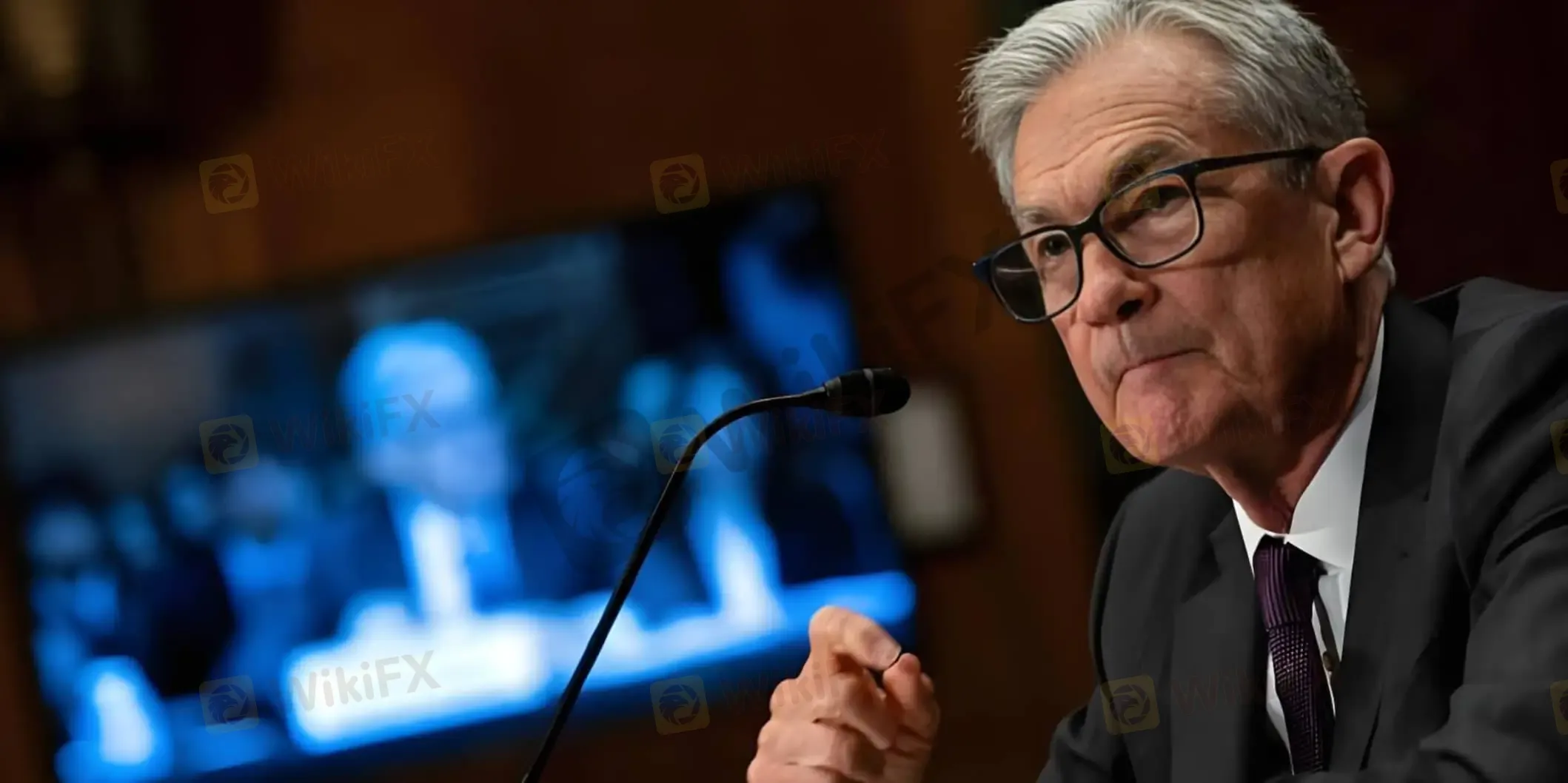
Recently, Federal Reserve Chair Jerome Powell stated during a media briefing in Washington that even if his term as Chair expires in mid-May, he will continue to perform his duties and lead the Fed as long as his successor has not yet been confirmed by the Senate. Under current legal arrangements, the end of a Chair‘s term does not require an immediate departure. Until a new Chair is formally confirmed, the incumbent typically continues to maintain the institution’s operations, a situation that is not unprecedented in U.S. history.
Over the past few months, the Trump administration has been pushing for more aggressive rate cuts and has repeatedly criticized the Federal Reserve‘s current policy stance. Trump even hinted at the possibility of removing the Fed Chair ahead of schedule if monetary policy does not shift. Meanwhile, the U.S. Department of Justice launched an investigation last summer into the Fed’s $2.5 billion headquarters renovation project, a move widely interpreted as a signal of escalating tensions between the White House and the Federal Reserve.
However, Republican Senator Thom Tillis of North Carolina made it clear within the Senate Banking Committee that he would not support advancing the nomination of former Fed Governor Kevin Warsh until the Department of Justice‘s investigation into Powell is fully concluded. Given Tillis’s key position within the committee, his stance has effectively stalled the administrations planned personnel arrangements. Although Trump had indicated as early as January this year his intention to nominate Warsh as the next Chair, the Senate has yet to schedule any related hearings.
Shortly before Powell made these remarks, Chief Judge James Boasberg of the U.S. District Court for the District of Columbia ruled to dismiss two subpoenas related to the investigation, citing insufficient grounds. The ruling also laid out a detailed timeline, highlighting a strong overlap between the timing of Trump‘s public criticism of Powell’s monetary policy and his calls for a Justice Department investigation. U.S. Attorney Jeanine Pirro later stated that the Department of Justice would continue to appeal and emphasized that the investigation would not be halted due to external controversy.
Powell himself stated that he would not leave the Federal Reserve system until the investigation is fully resolved and a clear conclusion is reached. Even if he no longer serves as Chair in the future, he could remain on the Board as a Fed Governor. Under institutional arrangements, his term as a Governor runs until early 2028, meaning that even if the White House replaces the Chair, it cannot immediately fill this seat. For a Board consisting of only seven members, such a structural constraint carries significant influence.
At the same time, the Trump administration has recently attempted to remove Governor Lisa Cook from her position, but the U.S. Supreme Court has indicated that she is likely to retain her role until related legal challenges are resolved. This has created a second obstacle for the White House in reshaping the Feds leadership structure. Some commentators supportive of Trump have cited a legal opinion written nearly half a century ago for the Carter administration, arguing that the President holds such appointment authority. However, within the Federal Reserve, this interpretation has never been tested in court nor actually implemented.
The political struggle surrounding the Fed‘s leadership has once again brought the issue of central bank independence into focus in Washington. If legal proceedings continue to drag on and Senate confirmation processes remain stalled, the Fed is likely to maintain its current power structure for some time. At the same time, this dispute may further deepen institutional friction between the White House and the Federal Reserve, making what is traditionally a technical policy domain increasingly politicized. From the perspective of FXTRADING, this contest over the Fed’s leadership essentially reflects the U.S. system of checks and balances, where any attempt to rapidly alter the central bank‘s structure faces institutional resistance. In the short term, the Fed’s internal power dynamics are likely to remain stable. This episode serves as a reminder to the market that U.S. monetary policy is not determined solely by economic data, but is also deeply shaped by political institutions and legal processes.

(For more insights into global macroeconomic trends and market developments, please follow FXTRADINGs official updates. This information is provided for reference only and does not constitute any form of investment advice.)
Disclaimer:
The views in this article only represent the author's personal views, and do not constitute investment advice on this platform. This platform does not guarantee the accuracy, completeness and timeliness of the information in the article, and will not be liable for any loss caused by the use of or reliance on the information in the article.
WikiFX Broker
Latest News
Is TRADE.COM Legit or a Scam? A Detailed Review
 WikiFX
Wholesale prices rose 0.7% in February, much more than expected and up 3.4% annually
WikiFXKapitalRS Exposure: Traders Report Withdrawal Issues & Trade Manipulation
WikiFXOil Prices Climb as Geopolitical Tensions Spotlight Strait of Hormuz Risks
WikiFXCapex Review: The High-Stakes Gaslighting of Retail Traders
WikiFXGold and Silver Pumping Again?
WikiFXPepperstone User Reputation: Looking at Real User Feedback and Common Complaints to Check Trust
WikiFXMazi Finance Review: Warning Signs and Customer Problems Revealed
WikiFXMalaysia’s Biggest Money Game Disasters: How Three Scams Wiped Out Billions of Ringgit
WikiFXIs MT.COOK a Safe Bet for Your Forex Trading? A Deep Dive into MT.COOK Review and Regulation
WikiFXCurrency Calculator
USD

CNY
Current Rate:0
Amount
USD
Available
CNY
Calculate 