

Global Broker Regulatory Inquiry Platform
WikiFX
English
简体中文
繁體中文
English
Pусский
日本語
ภาษาไทย
Tiếng Việt
Bahasa Indonesia
Español
हिन्दी
Filippiiniläinen
Français
Deutsch
Português
Türkçe
한국어
العربية
FXTRADING Economic Data Summary (Asia-Pacific | 03/20)
Abstract:The Federal Reserve keeps interest rates unchangedRecently, the Federal Reserve decided to keep the federal funds target range unchanged at 3.50% to 3.75%. This decision largely matched market expecta
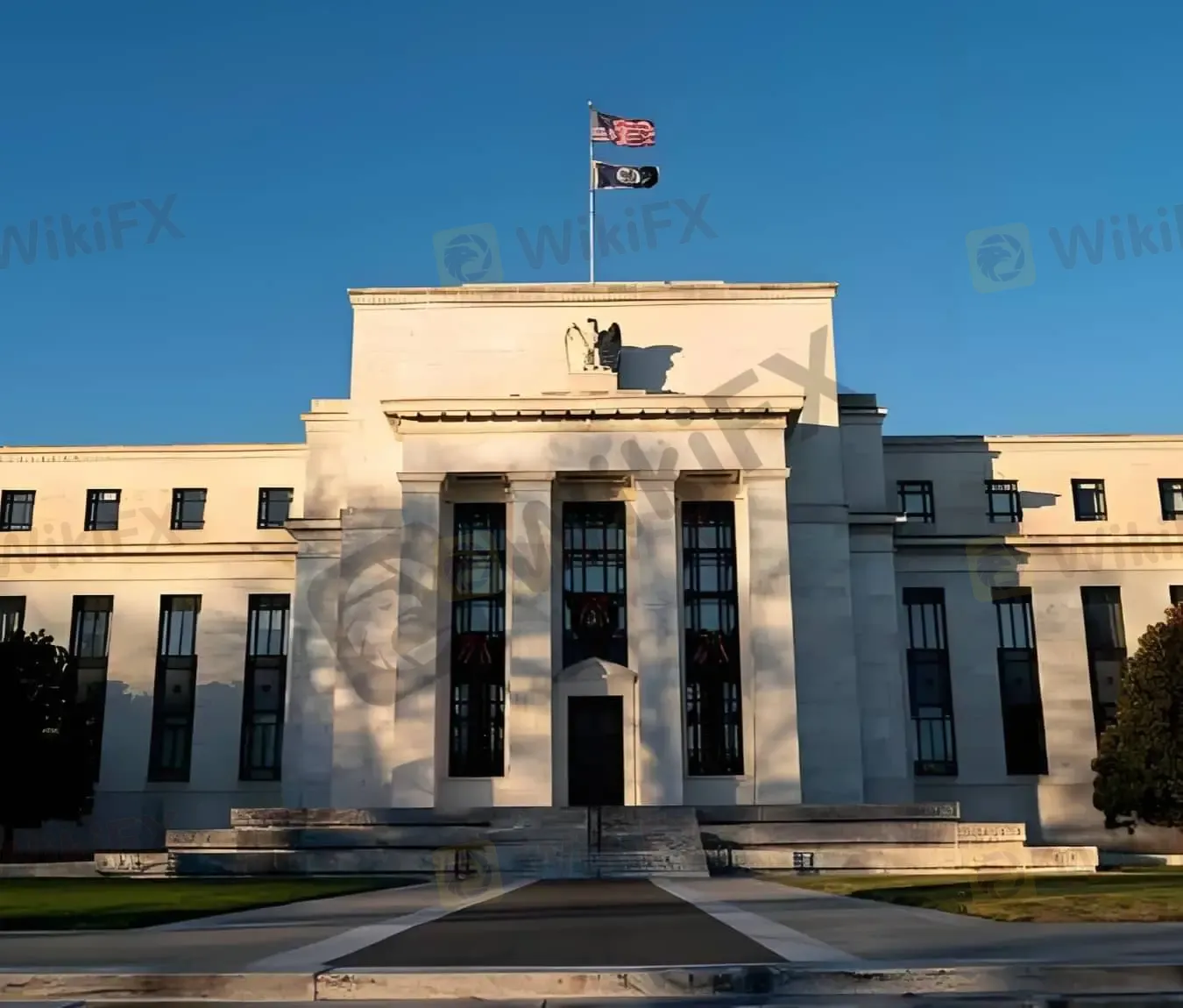
The Federal Reserve keeps interest rates unchanged
Recently, the Federal Reserve decided to keep the federal funds target range unchanged at 3.50% to 3.75%. This decision largely matched market expectations. Although the rate itself was not adjusted, the latest projections and policy communication suggest that the committee remains broadly aligned internally. However, Governor Stephen Milan, who is generally considered more dovish, cast a dissenting vote, arguing that under current conditions a modest rate cut could help ease potential economic pressures.
From the official statement, the Federal Reserve maintained a carefully balanced tone. On the one hand, policymakers believe that the US economy continues to expand at a steady pace. On the other hand, job growth remains relatively slow, while inflation is still above the target level. FXTRADING analysis believes that the core of the Feds current policy approach is flexibility. Although economic resilience remains evident, inflation has not been falling at a consistently stable pace, suggesting that any rate cuts are unlikely to occur too quickly.

The Bank of Japan keeps interest rates unchanged
At its latest meeting, the Bank of Japan decided to keep its policy rate at around 0.75%, a result that was also widely expected by the market. The decision passed with an eight-to-one vote, with board member Hajime Takata once again expressing a more hawkish stance by supporting an immediate rate increase to 1%. While most members chose to maintain the current policy stance for now, the overall policy communication indicates that the central bank has not relaxed its expectations for further tightening in the future.
In its statement, the Bank of Japan reiterated that if economic activity and price trends evolve broadly in line with current projections, there would still be room for additional rate hikes. In the short term, inflation in Japan could temporarily decline due to falling food prices and government subsidy measures, potentially even dipping below the 2% target for a period. FXTRADING analysis suggests that the Bank of Japan is still pursuing a gradual path toward policy normalization. Rising wages, labor shortages, and higher energy prices could all push inflation higher again in the future. Against this backdrop, the Bank of Japan is more likely to proceed with a gradual tightening path while closely monitoring developments in global energy markets.

The Swiss National Bank keeps interest rates unchanged
The Swiss National Bank also chose to leave its policy rate unchanged at 0% during its latest meeting. Although the interest rate itself was not adjusted, the central bank noticeably strengthened its stance regarding intervention in international markets. As global risk sentiment intensifies, safe-haven flows could continue to support the Swiss franc, and if this trend becomes too pronounced, it could have negative implications for the Swiss economy.
In its policy statement, the Swiss National Bank explicitly noted that, given the escalating tensions in the Middle East, its willingness to intervene in international markets has increased significantly. The central bank is concerned that a rapid appreciation of the Swiss franc could tighten financial conditions and weaken domestic price stability. FXTRADING analysis believes that the SNBs primary concern at present is not inflation but exchange rate stability. If global risk aversion continues to rise, the Swiss franc may remain in strong demand, making foreign exchange intervention an important policy tool for the SNB.
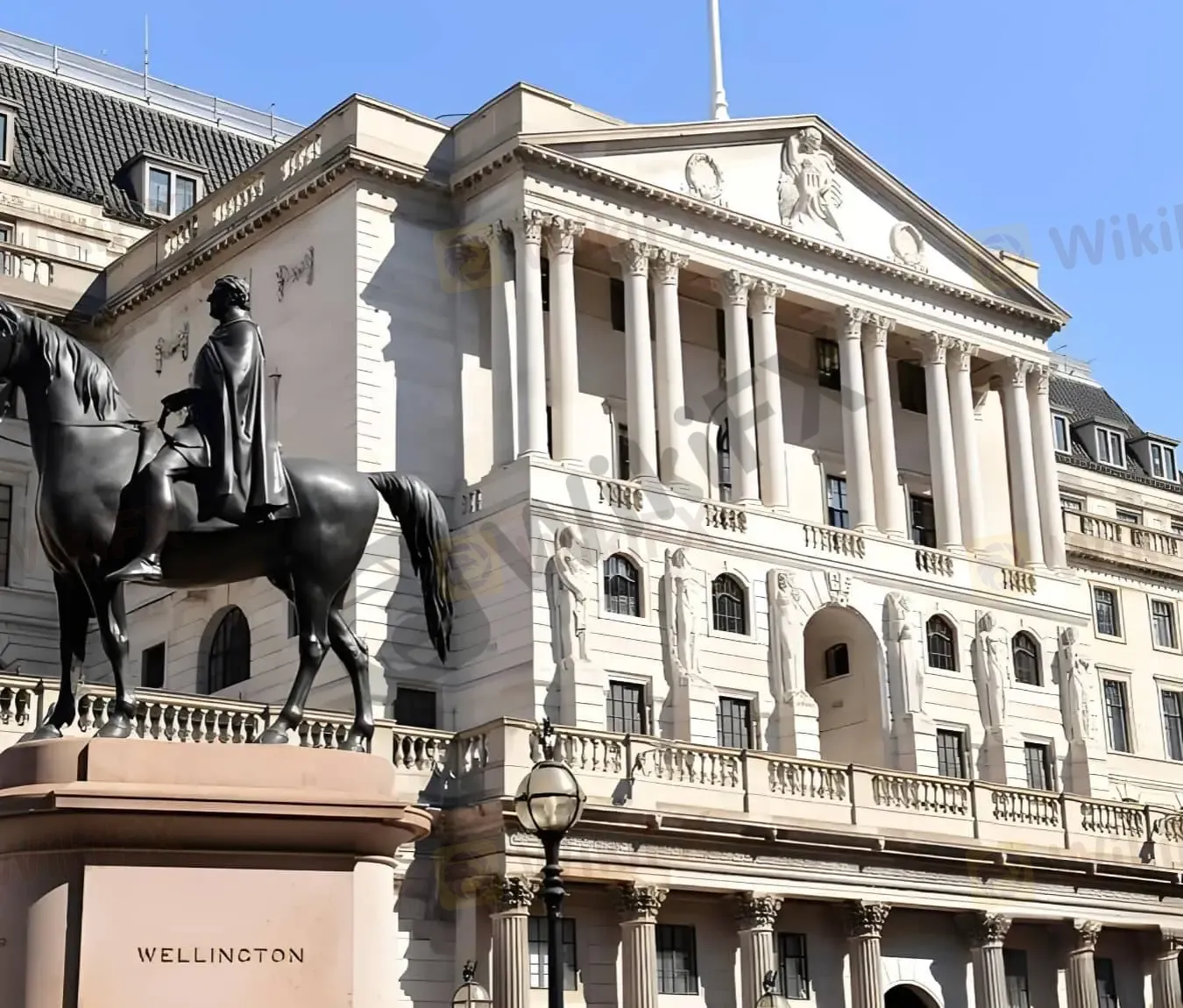
The Bank of England keeps interest rates unchanged
At its latest meeting, the Bank of England decided to keep the benchmark interest rate unchanged at 3.75%. What attracted the most attention was the unusually unanimous vote. Markets had widely expected some degree of disagreement within the committee, with several more dovish members potentially continuing to support a rate cut.
The policy statement noted that the recent escalation in Middle East tensions has already pushed global energy prices significantly higher. This shift could gradually pass through to household energy bills and corporate costs. Although domestic inflation in the UK had previously shown signs of easing, the renewed energy shock could once again push price pressures higher. FXTRADING analysis suggests that the Bank of Englands decision primarily reflects short-term risk management rather than a fundamental change in policy direction. Rising energy prices have increased inflation uncertainty, prompting the central bank to keep rates unchanged for now. If energy pressures ease, monetary policy could still shift back toward easing in the future.
(For more insights into global macroeconomic trends and market developments, please follow FXTRADINGs official updates. This information is provided for reference only and does not constitute any form of investment advice.)
Disclaimer:
The views in this article only represent the author's personal views, and do not constitute investment advice on this platform. This platform does not guarantee the accuracy, completeness and timeliness of the information in the article, and will not be liable for any loss caused by the use of or reliance on the information in the article.
WikiFX Broker
Latest News
Is TRADE.COM Legit or a Scam? A Detailed Review
 WikiFX
Wholesale prices rose 0.7% in February, much more than expected and up 3.4% annually
WikiFXKapitalRS Exposure: Traders Report Withdrawal Issues & Trade Manipulation
WikiFXOil Prices Climb as Geopolitical Tensions Spotlight Strait of Hormuz Risks
WikiFXCapex Review: The High-Stakes Gaslighting of Retail Traders
WikiFXGold and Silver Pumping Again?
WikiFXPepperstone User Reputation: Looking at Real User Feedback and Common Complaints to Check Trust
WikiFXMazi Finance Review: Warning Signs and Customer Problems Revealed
WikiFXMalaysia’s Biggest Money Game Disasters: How Three Scams Wiped Out Billions of Ringgit
WikiFXIs MT.COOK a Safe Bet for Your Forex Trading? A Deep Dive into MT.COOK Review and Regulation
WikiFXCurrency Calculator
USD

CNY
Current Rate:0
Amount
USD
Available
CNY
Calculate 