Abstract:As global markets reel from the Iran conflict, Malaysia is rapidly becoming a critical safe haven for investors seeking to protect capital, driven by its energy advantage, policy stability, and accelerating growth in high value industries.
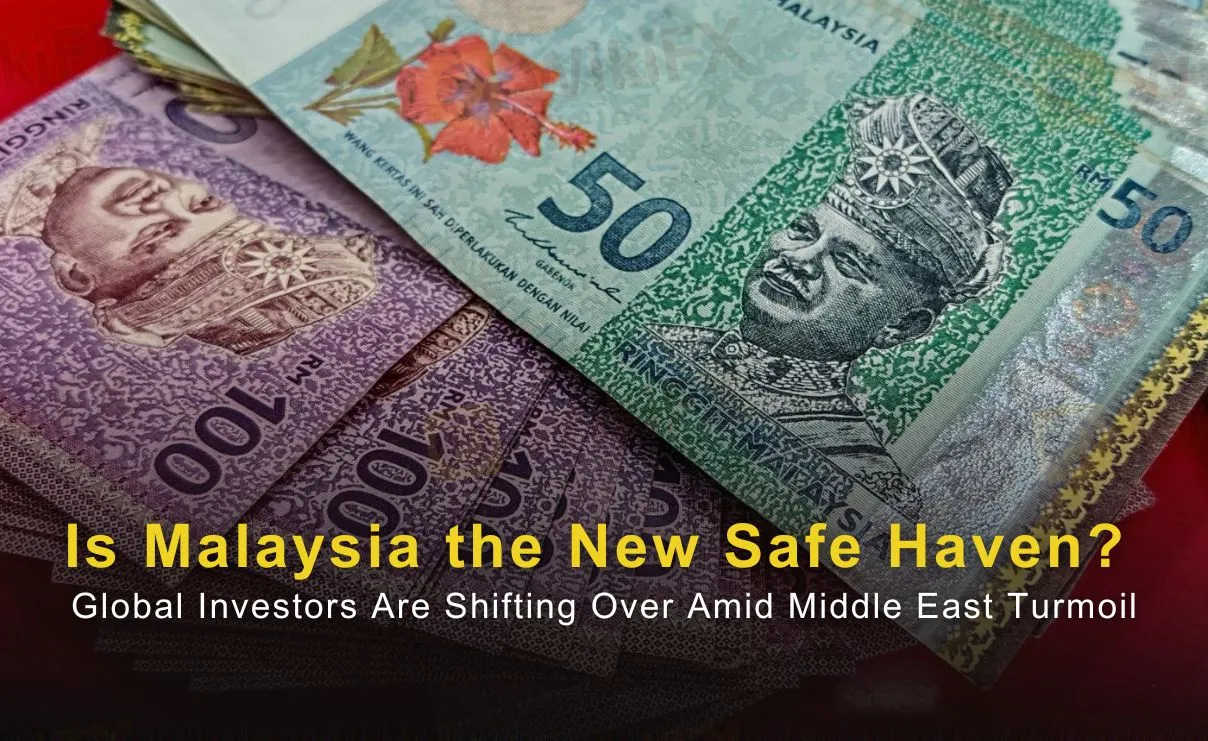
As geopolitical tensions intensify following the outbreak of war in Iran, global investors are rapidly reassessing their positions across Asia. In a region often vulnerable to external shocks, Malaysia has emerged as a surprising point of stability. Even before the conflict sent energy prices sharply higher, Malaysia had already begun attracting renewed attention from international funds.
A combination of political steadiness and targeted economic reforms has placed Malaysia in a favourable position. While several Southeast Asian neighbours grapple with leadership changes and fiscal pressures, Malaysia has maintained a consistent policy direction. This stability, coupled with investments in higher value manufacturing and digital infrastructure, has strengthened Malaysias appeal among global investors seeking reliability in uncertain times.
The recent surge in oil prices has further reinforced Malaysias position. As one of the few net energy exporters in Asia, Malaysia stands to benefit from rising crude prices, in contrast to many regional peers that face increased import costs. Petroleum related income is expected to contribute a notable share of government revenue in 2026, offering a buffer against external volatility.
Market performance reflects this relative strength. Malaysias benchmark stock index has outperformed several regional markets during the recent period of instability. While many emerging Asian economies have experienced significant capital outflows, Malaysia has seen only limited foreign selling. At the same time, the ringgit has managed to retain its gains against the US dollar, distinguishing itself from weaker regional currencies.
Market strategists have observed that Malaysia is increasingly viewed as a defensive allocation during periods of global stress. Analysts note that Malaysia‘s current account surplus, supported by energy exports, provides a degree of resilience not commonly found among its peers. In addition, energy costs form a smaller share of Malaysia’s inflation basket compared to other economies, reducing vulnerability to price shocks.
Beyond its defensive appeal, Malaysia is also positioning itself for growth. The government has introduced initiatives aimed at strengthening the semiconductor sector, expanding manufacturing capabilities, and accelerating the adoption of renewable energy. These policies have already yielded results, with foreign direct investment reaching record levels in the past year.
Economic indicators suggest that momentum is building. Strong trade performance and a rebound in tourism helped Malaysia outpace many Southeast Asian economies in 2025. Despite ongoing geopolitical risks, the government has maintained its growth projections for the current year, signalling confidence in Malaysias economic trajectory.
Investor sentiment has also been supported by corporate activity. Demand for local debt instruments remains healthy, and companies continue to expand operations. Banking and consumer stocks have delivered solid performances, reflecting confidence in domestic economic conditions. At the same time, oil and gas related firms have benefited from the rise in energy prices, adding further support to the broader market.
Malaysia‘s structural advantages are becoming more apparent when compared with regional peers. Indonesia is facing challenges in restoring investor confidence following rating concerns, while Thailand continues to struggle with high household debt and slow growth. The Philippines, meanwhile, is dealing with the fallout from a public sector corruption scandal. Against this backdrop, Malaysia’s relatively stable environment stands out.
However, risks remain. A prolonged conflict in the Middle East could still trigger broader outflows from emerging markets, including Malaysia. Higher oil prices may also increase the governments subsidy burden, complicating efforts to reduce the fiscal deficit. In addition, concerns over governance and allegations of collusion between business and regulatory figures could weigh on investor confidence if not addressed effectively.
Despite these challenges, Malaysias role in the global technology supply chain offers a compelling long term opportunity. Malaysia has established itself as a key player in semiconductor assembly, testing, and packaging. Efforts are now underway to move further up the value chain, including the development of local chip design capabilities.
At the same time, Malaysia is gaining traction as a hub for artificial intelligence infrastructure. Investment in data centres has accelerated, particularly in the southern state of Johor, where large scale projects continue to be announced. A joint special economic zone with Singapore is expected to further boost activity in this area, strengthening Malaysias position in the regional digital economy.
These developments have not gone unnoticed by global investors. Market participants are increasingly viewing Malaysia as a place to preserve capital while still capturing growth opportunities. The combination of economic resilience, policy clarity, and strategic positioning has created a rare balance that is especially valuable during periods of uncertainty.
As global markets continue to react to geopolitical shocks, Malaysias ability to offer both stability and growth may prove decisive. For investors searching for reassurance in volatile conditions, Malaysia is no longer just an alternative. It is fast becoming a preferred destination.